

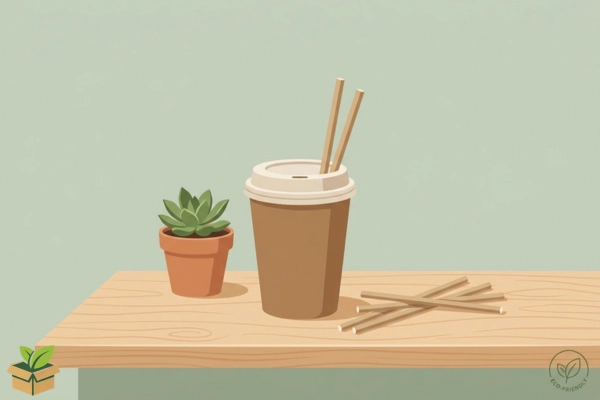
Why Paper Straws Are the Future of Cafe Packaging
Walk into almost any modern cafe today, and you’ll notice something quietly different — the straw in your iced coffee no longer bends and floats like plastic used to. Paper straws cafe packaging has quickly moved from being a niche eco-trend to a mainstream expectation, and for good reason. As environmental awareness grows and customers become more conscious of what they consume and discard, cafes across Pakistan and around the world are rethinking every disposable item on their counters. This shift isn’t just about straws — it’s about redefining the future of cafe packaging as a whole, one biodegradable choice at a time.
In this article, we’ll unpack why paper straws have become such a powerful symbol of change in the food service industry, what practical benefits they bring to cafe owners, and how this small switch fits into a much larger sustainability movement.
🌍 The Plastic Problem Every Cafe Owner Needs to Understand
Plastic straws seem harmless on the surface — thin, cheap, and disposable in seconds. But their environmental impact tells a very different story. A single plastic straw can take over 200 years to decompose, and billions of them end up in landfills and oceans every year. The environmental impact of plastic straws has become one of the most visible symbols of the global plastic pollution crisis, largely because they’re small, lightweight, and almost impossible to recycle through conventional systems.
This is exactly why governments and cities worldwide have introduced single-use plastic bans, pushing food businesses to find alternatives that don’t compromise on function. Cafes, in particular, feel this pressure directly because straws are one of the most visible touchpoints between a brand and its customer. Every plastic straw handed out is a tiny but public statement about a business’s values — and increasingly, customers are paying attention.
Beyond regulation, there’s a quieter but equally powerful force at play: eco-conscious consumers are actively choosing where they spend their money based on sustainability. A cafe that still hands out plastic straws in 2026 risks looking outdated, even careless, to a generation that grew up watching documentaries about ocean plastic pollution.
📦 Paper Straws Cafe Packaging: What’s Actually Changing
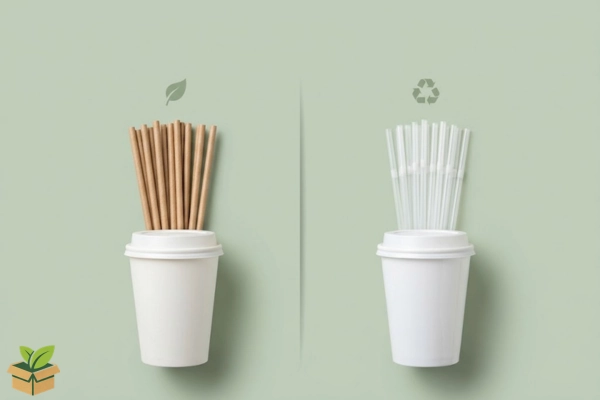
The move toward paper straws cafe packaging isn’t a passing fad — it reflects a deeper transformation in how cafes think about their entire packaging ecosystem. Paper straws are made from biodegradable packaging materials, meaning they break down naturally within weeks rather than centuries. Many are also FDA approved paper straws, ensuring they meet food safety standards while still being fully compostable.
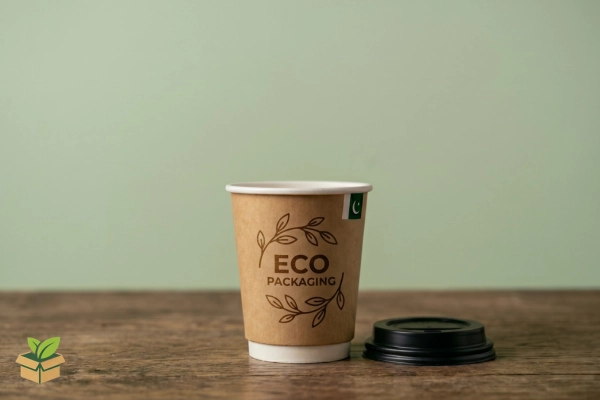
What makes this shift particularly interesting is how it connects to everything else on a cafe counter. Once a business commits to biodegradable straws, it naturally starts questioning its cups, lids, cutlery, and takeaway boxes too. This is why paper straws often act as the “gateway product” toward a fully sustainable cafe packaging strategy. It’s a small, affordable first step that opens the door to bigger changes — including rethinking the right coffee cup size for your cafe or comparing double-wall vs single-wall coffee cups for better insulation and reduced waste.
Cafes that adopt paper straws early often report an unexpected side benefit: customers notice, and they talk about it. In an industry where word-of-mouth and social sharing drive real foot traffic, a visible sustainability effort becomes part of the brand story itself.
🍃 Why Paper Straws Are Becoming the Future of Cafe Packaging
There’s a reason paper straws keep coming up whenever people discuss the future of cafe packaging — they check almost every box a modern food business needs. They’re compostable, relatively inexpensive at scale, easy to source, and require no major changes to how drinks are served. Unlike some plastic straw alternatives that need special equipment or training, paper straws slot directly into existing workflows.
That said, paper isn’t the only option cafes are exploring. Reusable materials like bamboo and stainless steel have also gained popularity, especially for dine-in service where durability matters more than single-use convenience. If you’re curious how these options stack up, our detailed breakdown of bamboo straws vs stainless steel straws explains the practical differences in cost, hygiene, and customer experience.
For takeaway and delivery-heavy cafes, though, paper remains the most practical choice simply because it’s disposable by design — no washing, no loss tracking, and no upfront investment in reusable stock. This is part of why paper straws have earned such a strong reputation as a compostable packaging for cafes solution that balances sustainability with operational simplicity.
🔬 Paper vs Plastic vs Bamboo: A Quick Comparison
To make the decision easier, here’s how the three most common straw materials compare across the factors that matter most to cafe owners.
| Factor | Paper Straws | Plastic Straws | Bamboo Straws |
|---|---|---|---|
| Biodegradability | Fully compostable in weeks | Takes 200+ years to decompose | Fully biodegradable |
| Cost per unit | Low to moderate | Very low | Moderate to high |
| Best suited for | Takeaway, delivery, single-use | Not recommended | Dine-in, reusable service |
| Customer perception | Strongly positive | Increasingly negative | Positive, premium feel |
| Regulatory compliance | Meets most plastic-ban laws | Restricted in many regions | Fully compliant |
As the table shows, paper straws offer the best balance for cafes that serve high volumes of takeaway drinks, while bamboo works well for dine-in experiences where a reusable, premium touch adds value.
💼 Practical Examples: How Cafes Are Making the Shift
Across Pakistan’s growing cafe scene — from Karachi’s busy coffee corners to Lahore’s boutique tea houses — the switch to paper straws is happening in stages rather than overnight. Most cafe owners start small: they test paper straws for a few weeks alongside their existing stock, gather feedback from regular customers, and then commit fully once they see minimal complaints and positive social media mentions.
A common practical approach looks like this:
- Start with cold beverages only, since paper straws hold up well for typical serving times.
- Source straws in bulk to keep per-unit costs manageable without sacrificing quality.
- Pair the switch with visible branding — a small “we’ve gone plastic-free” note on cups builds trust instantly.
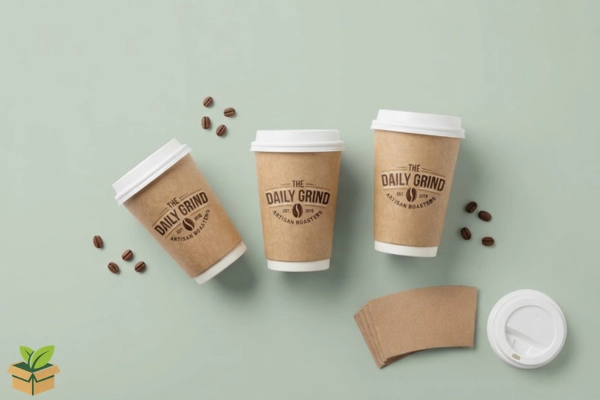
Many cafes also combine this move with broader packaging upgrades, such as switching to eco-friendly cups and cutlery for restaurants and cafes during seasonal promotions, which helps normalize sustainability as part of the customer experience rather than a one-off gimmick. Some businesses go even further, replacing plastic cutlery entirely with alternatives like birchwood cutlery, reinforcing the same values across every touchpoint.
🏆 Benefits Beyond the Straw: Building a Sustainable Cafe Brand
It’s tempting to think of paper straws as a minor detail, but their impact on cafe branding sustainability is surprisingly significant. When a customer sees a paper straw in their cup, it signals — often subconsciously — that the business cares about more than just profit margins. That perception carries weight, especially among younger customers who actively seek out brands aligned with their values.
This shift also supports broader sustainable business practices that extend well beyond packaging. Cafes that commit to reducing plastic waste often find themselves reconsidering water usage, food sourcing, and even staff training around waste sorting. It becomes a natural entry point into a zero waste cafe philosophy, where every operational decision gets filtered through a simple question: does this reduce our footprint?
There’s also a quieter financial upside. Many suppliers now offer recyclable packaging options and biodegradable materials at increasingly competitive prices as demand grows, which means the “sustainability tax” that used to make eco-friendly packaging expensive is shrinking fast. Cafes that adopt these changes early often lock in better pricing before demand pushes costs up further — a smart move for anyone serious about carbon footprint reduction packaging as a long-term business strategy.
📈 Cafe Sustainability Trends to Watch
The momentum behind eco-friendly packaging shows no signs of slowing. Several trends are shaping where the industry is headed next, and understanding them now gives cafe owners a real competitive advantage.
- Renewable materials for cafes are expanding beyond straws into cups, lids, and food containers made from bagasse, kraft paper, and plant-based coatings.
- Green packaging trends increasingly favor suppliers who can prove their materials are genuinely compostable, not just labeled as “eco-friendly” without certification.
- Consumer preference shift data consistently shows younger customers actively avoid brands seen as environmentally careless, making sustainability a retention tool, not just a marketing line.
These trends all point toward the same conclusion: packaging innovation is no longer optional for cafes that want to stay relevant. It’s becoming as important to brand identity as the coffee itself.
✅ Getting Started: How to Switch Your Cafe to Paper Straws
Making the switch doesn’t need to be complicated or expensive. The most successful transitions tend to follow a simple, low-risk process rather than a dramatic overhaul.
Start by sourcing a trial batch from a reliable supplier and testing it with your actual drink menu — some straws perform better with thicker beverages than others. Once you’re confident in the quality, communicate the change clearly to your customers through simple signage or social media, since transparency builds trust faster than silence. Finally, keep an eye on plastic pollution reduction as an ongoing goal rather than a one-time achievement; the best cafes treat sustainability as a continuous improvement process, not a checkbox.
For businesses ready to explore high-quality, ready-to-use options, browsing a dedicated eco-friendly product category makes it easy to compare materials, pricing, and bulk options in one place — a practical starting point for any cafe serious about making the switch properly.
🎯 Conclusion: The Future Is Already Here
Paper straws might seem like a small detail in the grand scheme of running a cafe, but they represent something much bigger — a visible, tangible commitment to doing business responsibly. As plastic bans tighten and customer expectations rise, paper straws cafe packaging has moved from optional to essential, and cafes that embrace this shift early position themselves as leaders rather than followers.
The future of cafe packaging belongs to businesses willing to rethink the small details, because those details add up to a brand customers genuinely trust and want to support.
🚀 Ready to Make the Switch?
If you’re looking to upgrade your cafe’s packaging with reliable, compostable, and customer-approved materials, explore our full range of eco-friendly straws, cups, and cutlery built specifically for Pakistan’s growing cafe industry. Visit our shop to find the right fit for your business, or learn more about why EcoProduct.pk is Pakistan’s most trusted eco-friendly store for cafes making the sustainable shift.
❓ Frequently Asked Questions
Q1: Are paper straws actually better for the environment than plastic straws? Yes. Paper straws are biodegradable and typically decompose within weeks, compared to plastic straws that can persist in the environment for over 200 years, making them a far more sustainable choice for cafes.
Q2: Do paper straws get soggy too quickly for practical use? Modern paper straws are engineered with food-safe coatings that significantly improve durability, holding up well for the typical time customers take to finish a drink, especially cold beverages.
Q3: Are paper straws more expensive than plastic ones? They’re slightly higher in cost per unit, but bulk sourcing and growing demand have narrowed this price gap considerably, making the switch financially manageable for most cafes.
Q4: What’s the difference between paper straws and bamboo straws? Paper straws are single-use and compostable, ideal for takeaway service, while bamboo straws are reusable and better suited for dine-in settings where washing and reuse are practical.
Q5: Will switching to paper straws actually improve customer perception of my cafe? Yes. Visible sustainability efforts, including simple changes like paper straws, consistently improve brand trust and customer loyalty, particularly among environmentally conscious buyers.















(0) Comments