

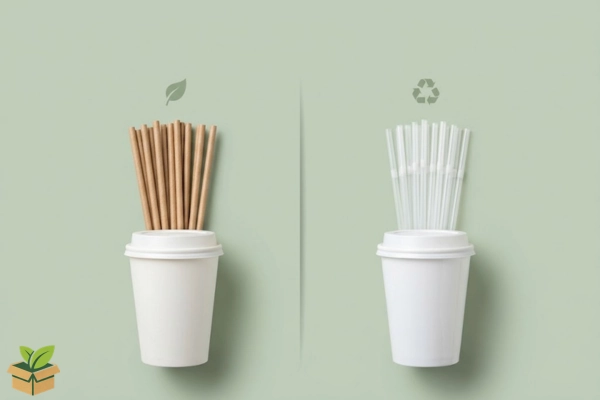
☕ Coffee Straws: Paper vs Plastic — Which One Really Wins?
If you’ve ever sipped an iced latte and watched your straw go soggy within minutes, you’ve probably asked yourself the same question millions of café owners and coffee lovers are asking right now: when it comes to coffee straws paper vs plastic, which one actually deserves a place on your table? This isn’t just a trivial packaging choice anymore — it’s a decision that touches sustainability, customer experience, cost, and even brand reputation. Coffee shops across Pakistan and beyond are under growing pressure to rethink single-use plastics, while customers are becoming more environmentally conscious with every order they place.
In this guide, we’ll break down everything you need to know — from durability and absorbency to environmental impact and cost — so you can make a confident, informed decision for your café, restaurant, or personal use.
🌍 Why This Debate Matters More Than Ever
The straw conversation isn’t happening in a vacuum. Around the world, governments and cities have introduced a straw ban or restrictions on single-use plastics, largely driven by alarming statistics about ocean pollution plastic and its effect on marine life. Millions of plastic straws end up in landfills and waterways every single day, and that reality has pushed both regulators and consumers to demand better alternatives.
At the same time, the café industry has its own practical concerns. A straw isn’t just an environmental statement — it needs to hold up in a hot cup of coffee, feel comfortable to use, and not fall apart before the drink is finished. This is exactly where the paper straws vs plastic straws which is better debate gets interesting, because the “right” answer often depends on the specific use case. For coffee shops already exploring broader shifts, this ties closely into how eco-packaging is growing across Pakistan, as more businesses move away from petroleum-based plastic toward plant-based materials.
📄 What Are Paper Straws, Really?
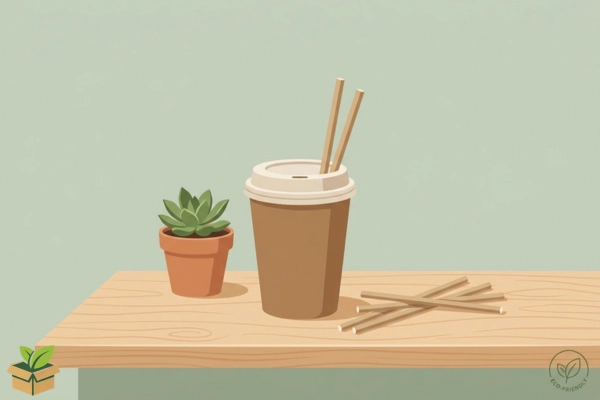
Paper straws are made from layered, food-safe paper — usually treated with a thin coating to resist liquid for a reasonable amount of time. They’ve become the poster child of eco-friendly coffee straws, largely because they’re biodegradable, compostable, and generally seen as a lower-impact alternative to traditional plastic.
In practice, paper straws work best in cold or moderately warm drinks where prolonged soaking isn’t an issue. For iced coffees, cold brews, and quick-service drinks, they perform admirably. However, straw absorbency becomes a real factor once you introduce hot coffee into the equation — paper naturally softens faster under heat and moisture, which is why not all paper straws are created equal. High-quality, thicker paper straws (like those designed for hot beverages) hold up noticeably better than thin, low-grade versions.
If you’re curious how this compares to other paper-based drinkware, it’s worth checking out the detailed breakdown on paper coffee cup vs plastic cup, since the same absorbency and durability principles often apply.
Practical Example
A busy café serving iced lattes and cold brews will likely find paper straws perform just fine, since the drink is consumed relatively quickly and the straw doesn’t sit in hot liquid for extended periods.
🧪 What Are Plastic Straws Bringing to the Table?
Plastic straws, typically made from polypropylene (a petroleum-based plastic), have long been the default choice for restaurants and cafés — and for good reason. They’re inexpensive, durable, and unaffected by heat or moisture, meaning they hold their shape from the first sip to the last. For hot coffee especially, plastic straws simply don’t have the same softening issue that paper does.
That said, the environmental impact of straws made from plastic is significant. They don’t biodegrade, they contribute heavily to landfill waste, and they’re a well-documented contributor to ocean pollution plastic. Many regions have introduced restrictions specifically targeting these items, pushing businesses to look at renewable resources instead.
Plastic straws pros and cons really come down to a trade-off: superior performance and lower upfront cost versus long-term environmental damage and increasingly restrictive regulations. For businesses still using them — such as with products like 14mm plastic straws — the writing is somewhat on the wall in terms of long-term viability.
⚖️ Quick Comparison: Paper Straws vs Plastic Straws
To make this easier to digest, here’s a side-by-side look at how the two materials stack up across the factors that matter most.
| Factor | Paper Straws | Plastic Straws |
|---|---|---|
| Biodegradability | Fully compostable, breaks down naturally | Non-biodegradable, persists for centuries |
| Performance in Hot Drinks | Softens over time, best for shorter use | Holds shape regardless of heat |
| Cost | Slightly higher per unit | Generally cheaper |
| Environmental Impact | Low; supports sustainable coffee straws goals | High; contributes to landfill and ocean waste |
| Customer Perception | Seen as eco-conscious, premium choice | Increasingly viewed as outdated |
| Regulatory Risk | Low risk under current straw bans | Higher risk in regulated regions |
As this table shows, the “better” straw really depends on what you’re optimizing for — but the broader trend across the café industry is clearly tilting toward paper and plant-based alternatives.
🔥 Performance Test: Best Straws for Hot Coffee
Here’s where things get genuinely practical. If your café primarily serves hot coffee, the durability of your straw matters far more than it would for a quick cold drink. Straw durability in hot beverages depends heavily on the thickness and coating quality of the material used.
Premium paper straws — thicker, double-walled, and specifically engineered for heat resistance — can comfortably last through an entire hot drink without falling apart. Thinner, budget versions, on the other hand, may start softening within 15–20 minutes, which isn’t ideal for slower drinkers or larger cups.
Plastic straws, by contrast, don’t face this issue at all. Heat has virtually no effect on their structural integrity, which is part of why so many cafés have historically defaulted to plastic for hot beverages. That said, if your brand identity leans heavily into sustainability, investing in higher-grade paper straws — or even offering FDA approved straws made from alternative materials — can maintain performance without compromising your environmental commitments.
A Few Practical Notes:
- Thicker paper straws consistently outperform thin ones in hot liquids
- Straw diameter affects how quickly the material absorbs moisture
- Serving temperature and drink duration both influence real-world durability
🌱 Environmental Impact: Which One Is Truly Sustainable?
This is arguably the heart of the entire debate. Are paper straws better than plastic when you zoom out and look at the full lifecycle? In almost every meaningful measure, yes.
Paper straws are made from cellulose fiber, a renewable, plant-based material that breaks down naturally without leaving behind microplastics or toxic residue. Plastic straws, meanwhile, are derived from non-renewable petroleum resources and can take hundreds of years to decompose — often ending up in oceans, where they pose serious threats to marine life.
There’s also the matter of carbon footprint straws leave behind during production. While manufacturing paper does have its own environmental costs, the overall lifecycle impact — especially end-of-life decomposition — tends to favor compostable straws over their plastic counterparts. This is part of a much larger shift toward sustainable food packaging that businesses across Pakistan are beginning to embrace more seriously.
For café owners thinking beyond just straws, it’s worth exploring how kraft bowl vs plastic bowl comparisons follow a remarkably similar pattern — reinforcing that the eco-friendly shift isn’t limited to one product category, but a broader philosophy of zero waste lifestyle adoption across food service.
💰 Cost & Business Considerations for Cafés
Let’s talk numbers, because sustainability decisions still need to make financial sense. Plastic straws remain cheaper on a per-unit basis, which is part of why they’ve dominated the disposable coffee straws comparison for so long. For high-volume businesses operating on tight margins, that cost difference can add up quickly.
However, the calculation isn’t purely about unit price anymore. Customer expectations have shifted, and many diners now associate paper straws with a more premium, conscientious brand image. In markets where straw bans are becoming more common, switching proactively to paper also protects businesses from future compliance costs or sudden supply disruptions.
If you’re weighing this decision for your own business, it often helps to look at the bigger picture outlined in how to switch your business to eco-friendly packaging, which covers not just straws but packaging-wide transitions that can actually save money long-term through bulk sourcing and reduced regulatory risk.
🧃 Sustainable Alternatives Worth Knowing About
While paper and plastic dominate the conversation, they’re not the only players on the field. A growing number of cafés are experimenting with alternative straw alternatives that push sustainability even further:
- Bamboo straws – naturally durable, reusable, and biodegradable
- Metal straws – long-lasting and ideal for reusable straws programs
- Silicone straws – flexible, safe, and easy to clean for repeat use
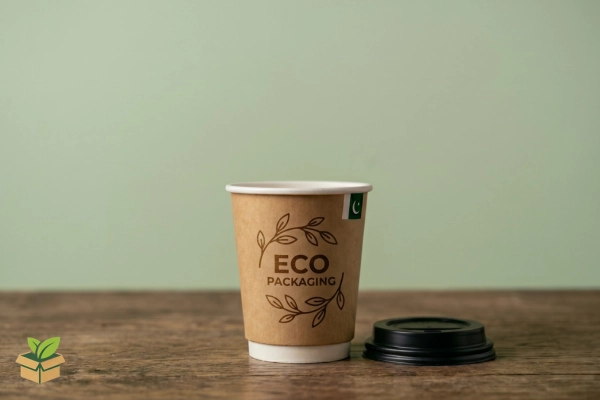
These options work particularly well for cafés building a stronger green packaging solutions identity, especially when paired with other sustainable choices like eco-friendly coffee cups or compostable lids.
🛒 Choosing the Right Straw for Your Café or Business
So, how do you actually decide? Start by asking what matters most for your specific operation. If your priority is minimizing environmental impact and appealing to eco-conscious customers, paper — or one of the reusable alternatives — is almost always the smarter long-term choice. If you’re running a high-speed, high-volume operation where straws need to survive extended contact with hot liquids without any performance dip, a well-made plastic option (used responsibly and recycled where possible) may still have a temporary place in your lineup.
Many businesses find success with a hybrid approach: using paper straws for cold and iced drinks, reserving sturdier options for hot beverages, and gradually transitioning fully as better heat-resistant paper technology becomes available. This mirrors a pattern many café owners have already followed with drinkware, as detailed in eco-friendly coffee cups: why every café should switch.
Whichever direction you choose, pairing your straws with complementary sustainable products — like a matching coffee cup with lid — helps reinforce a consistent, eco-conscious brand experience from first sip to last.
✅ Final Verdict: Paper vs Plastic — Which Wins?
When you weigh everything together — environmental impact, customer perception, regulatory trends, and even long-term cost — paper straws come out ahead for most modern cafés and coffee businesses, particularly for cold and moderately warm drinks. Plastic still holds a narrow performance edge for extended hot-beverage use, but that gap is closing fast as paper straw technology improves.
The real takeaway isn’t that one material is universally “better” in every single scenario — it’s that the broader trajectory of the industry, customer expectations, and environmental necessity are all pointing firmly toward sustainable, biodegradable options. Businesses that make the switch now aren’t just following a trend; they’re future-proofing their operations.
🚀 Ready to Make the Switch?
Choosing between coffee straws paper vs plastic doesn’t have to be complicated. If you’re ready to upgrade your café’s packaging with high-quality, eco-friendly straws that perform beautifully in both hot and cold drinks, explore our full range of coffee straws today and give your customers a better, greener sipping experience — one cup at a time.
❓ Frequently Asked Questions
Are paper straws better than plastic for hot coffee? Paper straws work well for most hot coffee servings, especially when made from thicker, heat-resistant material. However, they may soften faster than plastic in extended-use scenarios involving very hot liquids over long periods.
What is the biggest disadvantage of plastic straws? The biggest downside is their environmental impact — plastic straws don’t biodegrade and contribute significantly to landfill waste and ocean pollution, unlike compostable paper alternatives.
Do paper straws dissolve quickly in drinks? Low-quality paper straws can soften within 15–20 minutes in liquid, but premium, thicker paper straws are specifically designed to last through an entire drink without falling apart.
Which straw type is more cost-effective for cafés? Plastic straws are typically cheaper per unit, but paper straws often deliver better long-term value through improved customer perception and reduced regulatory risk.
Are there better alternatives than both paper and plastic straws? Yes — bamboo, metal, and silicone straws offer reusable, highly sustainable alternatives that reduce waste even further compared to single-use paper or plastic options.















(0) Comments