

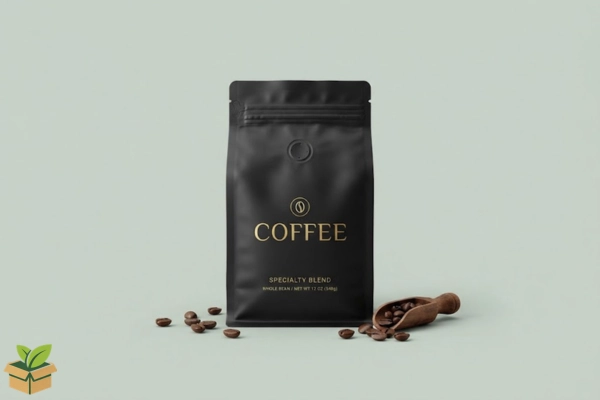
☕ Black Coffee Bag: How to Package Coffee Like a Pro
If you’ve ever picked up two bags of coffee off a shelf — one in a flimsy plastic sleeve and one in a sleek black coffee bag with a matte finish and a tiny valve on the front — you already know which one you reached for first. That instinct isn’t random. It’s coffee packaging doing exactly what it’s designed to do: protect the product, preserve the aroma, and convince you before you’ve even opened the bag that what’s inside is worth your money.
This guide walks you through everything that separates amateur coffee packaging from the kind used by professional roasters — the materials, the valves, the branding choices, and the small details that make a bag feel premium instead of ordinary. Whether you’re a home roaster packaging your first batch or a café owner planning your retail line, you’ll leave this article knowing exactly how to pack coffee like a pro.
🌱 Why Coffee Packaging Deserves More Attention Than You Think
Coffee is one of the most sensitive food products on the market. The moment roasted beans are exposed to oxygen, moisture, and light, they begin losing the aroma and flavor compounds that make them worth buying in the first place. This is why coffee packaging isn’t just a cosmetic decision — it’s a functional one that directly affects shelf life, customer satisfaction, and repeat purchases.
Many small coffee brands lose customers not because their beans are bad, but because their packaging fails to protect what’s inside. A bag that lets air in will make even the finest single-origin beans taste stale within weeks. This is a mistake we’ve seen repeated across food businesses in Pakistan, and it’s covered in more depth in our breakdown of common packaging mistakes small businesses make. The pattern is almost always the same: brands invest heavily in sourcing great beans and then package them in bags that undo all that effort.
The good news is that solving this problem doesn’t require a complicated setup. It requires understanding a handful of packaging fundamentals — starting with why the black coffee bag has become the industry’s go-to choice for both function and branding.
📦 What Makes a Black Coffee Bag Different From Ordinary Pouches
At first glance, a black coffee bag might just look like a stylish color choice. In reality, the color plays a functional role too. Black and dark-toned pouches block out light far more effectively than clear or lightly tinted bags, which matters because light exposure accelerates the breakdown of coffee oils and aromatic compounds. Pair that with a matte finish, and you get a bag that feels tactile, premium, and shelf-ready straight out of the box.
Beyond the visual appeal, a well-made black coffee bag typically includes a multi-layer structure — often combining kraft paper or metallized film with an inner barrier layer — that keeps oxygen and moisture out while locking freshness in. This is the same construction philosophy you’ll find in our black coffee bag with valve (13x20cm), which is built specifically for roasters who need both aesthetics and performance in one package.
If you’re comparing options for your own brand, it’s worth browsing the full black coffee bag category to see the range of sizes and valve configurations available before settling on one setup.
🔍 Breaking Down Coffee Bag Types You Should Know
Not all coffee pouches are built the same way, and choosing the wrong type for your product can undo even the best roasting work. Understanding the main categories helps you match the packaging to how your coffee is actually sold and consumed.
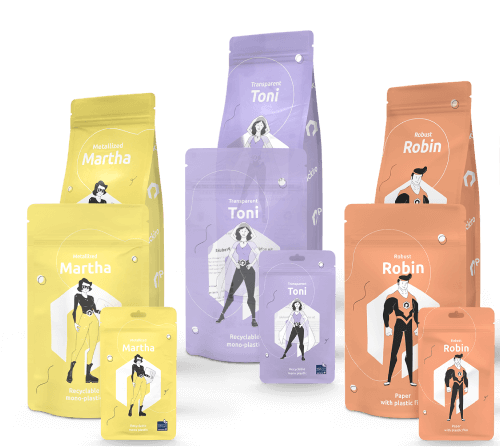
Stand-up pouches are the most popular format in retail coffee, mainly because they’re self-supporting on shelves and offer a large surface area for branding. Kraft paper coffee bags bring a rustic, eco-conscious look that resonates with customers who associate brown paper tones with natural, less-processed products — a trend we explored in detail in our guide on kraft standup pouches. Meanwhile, foil standup pouches are often chosen specifically for coffee and other dry goods because the foil lining dramatically improves barrier protection, a topic covered thoroughly in our piece on foil standup pouches for coffee and dry foods.
For brands selling cold brew concentrate or flavored syrups alongside their beans, a spout pouch is a smarter format than a traditional bag — you can read more about that use case in our spout pouch packaging guide.
Here’s a quick side-by-side comparison to help you decide which format fits your product:
| Bag Type | Best For | Key Advantage |
|---|---|---|
| Black coffee bag (valve) | Whole bean / ground retail coffee | Light-blocking, premium shelf appeal |
| Kraft paper coffee bag | Eco-conscious specialty brands | Natural look, biodegradable options |
| Foil standup pouch | Long shelf-life dry goods | Superior moisture & oxygen barrier |
| Spout pouch | Cold brew, liquid coffee products | Easy pour, resealable spout |
Once you’ve settled on a format, the next question is almost always the same one every roaster eventually asks — how do you actually keep the coffee fresh inside the bag you’ve chosen?
🛡️ The Science Behind Freshness: Valves, Barriers & Seals
This is where professional coffee packaging separates itself from casual packaging jobs. Freshly roasted coffee continues releasing carbon dioxide for days after roasting — a process called degassing. If you seal a bag completely airtight too early, that trapped gas can cause the bag to bulge or even burst. This is exactly why a degassing valve coffee bag exists: the one-way valve lets excess CO2 escape without letting oxygen back in, which is a small mechanical detail that makes an enormous difference in flavor retention.
Many professional roasters go a step further with nitrogen flushing, a process where the air inside the bag is replaced with nitrogen gas before sealing. Nitrogen is inert, meaning it won’t react with the coffee oils the way oxygen does, effectively extending shelf life without needing preservatives. Combine this with an aluminum foil lining inside the bag and a solid heat seal on the top, and you’ve got a package engineered to keep coffee tasting fresh for months rather than weeks.
If you’re setting up this kind of system for your own brand, it’s worth exploring our white coffee bag with valve collection alongside the black variants, since both use the same valve technology but cater to different branding preferences — some roasters prefer the clean, bright look of white over the moodier black aesthetic.
🎨 Branding & Design: Making Your Coffee Bag Sell Itself
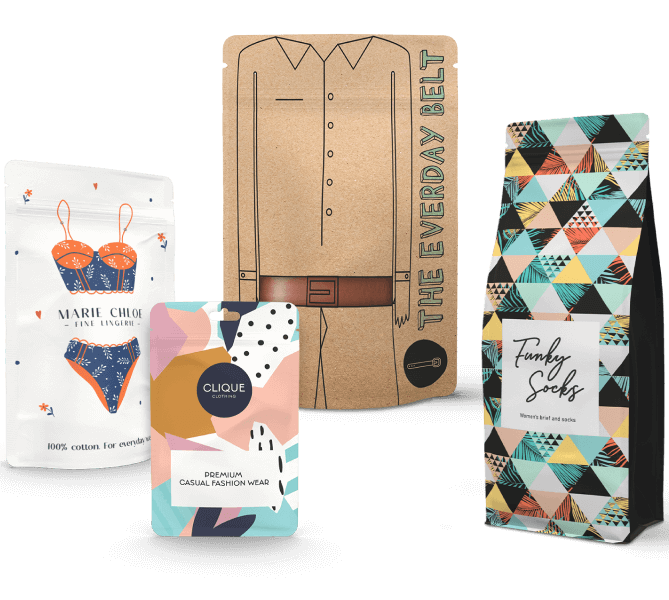
Freshness keeps customers coming back, but design is what gets them to pick up the bag in the first place. Custom coffee bags give you control over everything from the finish — matte versus glossy — to the exact placement of your logo, roast date, and tasting notes.
A matte finish tends to communicate sophistication and is especially popular among specialty and artisanal coffee brands, while a glossy finish can feel more energetic and is often used by brands targeting a younger, more casual coffee-drinking audience. Either way, coffee bag printing design should always prioritize legibility of key information — roast date, origin, and weight — because customers genuinely read these details before buying, especially in a market where specialty coffee is still building trust with new buyers.
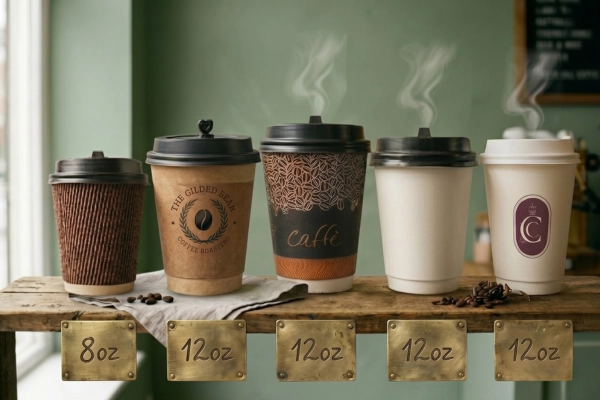
Good labeling also plays into your broader branding strategy. If your café or roastery already has a visual identity across cups and napkins, extending that same identity onto your coffee bags creates consistency that customers subconsciously trust. We’ve seen this work well for cafés that also apply custom printed branding on their coffee cups — the same logic applies directly to bag design.
📏 Choosing the Right Coffee Bag Size & Material
Size and material decisions often get rushed, but they shape both your cost structure and your customer experience. Coffee bags typically come in standard sizes — commonly in the range of 100g, 250g, 500g, and 1kg formats — and choosing the right one depends on your target customer. Home consumers usually prefer smaller 250g bags they can finish before the coffee goes stale, while cafés buying wholesale often prefer 1kg bags to reduce packaging waste and cost per unit.
Material choice is equally important. Kraft paper laminated with an inner barrier film offers a natural look with decent protection, while a full foil or metallized pouch offers superior barrier performance at a slightly higher cost. For brands weighing both options, our comparison on black standup pouches with window versus without window is a useful reference, since the presence of a window changes both the visual appeal and the light exposure your beans receive.
A few quick sizing guidelines worth keeping in mind:
- 100g–250g bags work best for premium, small-batch retail coffee
- 500g–1kg bags suit wholesale, café, and subscription-based coffee sales
- Window cutouts work well for whole bean coffee but should be avoided for light-sensitive specialty roasts
Once size and material are locked in, you’re ready for the part that actually brings all of this together — the packaging process itself.
✅ Step-by-Step: How to Package Coffee Like a Pro
Packaging coffee properly isn’t complicated once you understand the sequence. Here’s the process professional roasters typically follow, from roast to seal:
- Rest the beans after roasting — allow 6 to 24 hours of degassing before sealing, depending on roast level.
- Weigh and fill accurately — consistent fill weights build customer trust and reduce product giveaway.
- Flush with nitrogen if available — this step significantly extends shelf life for retail-bound coffee.
- Seal using a proper coffee bag sealing machine — a weak or uneven heat seal is one of the most common causes of early spoilage.
- Attach the valve correctly — make sure the one-way valve sits flush and isn’t obstructed by coffee grounds during filling.
- Apply roast date and batch labeling — this isn’t just a legal good practice, it builds transparency with customers who care about freshness.
Following this sequence consistently is really what “packaging coffee like a pro” comes down to — it’s less about expensive equipment and more about discipline in the process.
♻️ Eco-Friendly Coffee Packaging: Sustainability Meets Style
Sustainability has moved from a nice-to-have to an expectation in food packaging, and coffee is no exception. Biodegradable coffee bags and recyclable kraft-based pouches are increasingly preferred by customers who actively choose brands based on environmental impact, not just taste.
The encouraging part is that eco-friendly packaging no longer means sacrificing performance. Many kraft-based pouches now include compostable inner liners that still offer solid moisture protection, giving brands a way to stay competitive on shelf life while reducing plastic waste. We go into this shift in much more detail in our complete guide to biodegradable food packaging in Pakistan, and in our broader look at why sustainable food packaging matters for growing food brands.
For coffee brands specifically, this is also a strong branding opportunity — positioning your product as both premium and environmentally responsible resonates particularly well with the specialty coffee audience, who tend to research brands more carefully before committing to a subscription or repeat purchase.
🛒 Where to Source Professional Coffee Packaging in Pakistan
Finding the right coffee packaging supplier matters just as much as the design decisions themselves, since inconsistent bag quality can undo even the best branding work. If you’re setting up a coffee packaging line for the first time, it’s worth reviewing our guide on how to choose the right packaging supplier in Pakistan before committing to bulk orders.
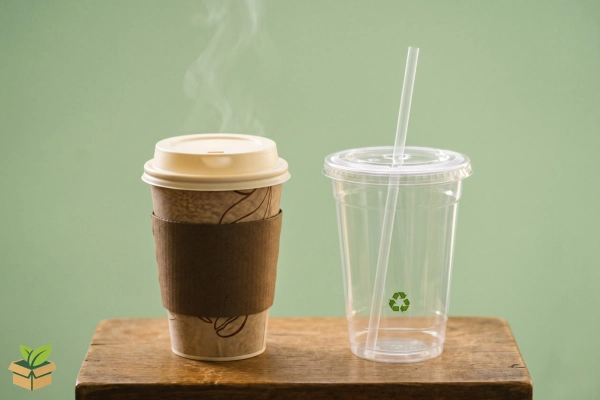
At EcoPackaging, our kraft standup pouch category covers everything from black and white valve coffee bags to foil-lined and clear-front options, so you can test multiple formats before scaling up. For brands also serving coffee by the cup, our coffee cup range and coffee straws selection make it easy to keep your packaging consistent across both retail bags and café service.
🧾 Common Mistakes to Avoid When Packaging Coffee
A few recurring mistakes show up again and again among new coffee brands, and avoiding them early saves both money and customer trust:
- Sealing coffee immediately after roasting without allowing degassing time
- Choosing clear or window bags for light-sensitive specialty roasts
- Skipping roast date labeling, which erodes customer trust over time
- Using bags without a proper barrier layer, leading to faster staleness
Each of these mistakes is fixable with minor adjustments to your process, but they’re worth checking against your current setup before you scale up production.
🏁 Conclusion
Packaging coffee like a professional isn’t about chasing trends — it’s about understanding what actually protects flavor and what actually earns customer trust. A well-chosen black coffee bag, backed by proper valve technology, sealing discipline, and thoughtful branding, does more for your coffee business than almost any other single investment you can make. From degassing valves to nitrogen flushing to the simple decision between kraft and foil, every detail in this guide exists to solve one problem: keeping your coffee as fresh on day thirty as it was on day one.
If you’re ready to upgrade your packaging setup, explore our full black coffee bag collection and start building a package that matches the quality of the coffee inside it.
❓ Frequently Asked Questions
Q1: What is a black coffee bag used for? A black coffee bag is designed to protect roasted coffee from light, oxygen, and moisture while giving the product a premium retail appearance. The dark color blocks light exposure more effectively than clear packaging.
Q2: Why do coffee bags have a small valve on them? The valve, known as a degassing valve, allows carbon dioxide released by freshly roasted coffee to escape without letting outside air back in, preventing the bag from bulging and keeping the coffee fresh.
Q3: What is the best material for coffee packaging? Foil-lined pouches offer the strongest barrier protection, while kraft paper bags with an inner liner provide a more natural, eco-friendly look with slightly less barrier strength.
Q4: How long does coffee stay fresh in a professional coffee bag? With proper sealing, a degassing valve, and nitrogen flushing, coffee can stay fresh for several months, compared to just a few weeks in basic unsealed packaging.
Q5: Are biodegradable coffee bags as effective as plastic ones? Modern biodegradable coffee bags with compostable liners can offer comparable moisture and oxygen protection, making them a strong alternative for brands prioritizing sustainability.



















(0) Comments