

How to Build a Strong Brand with Packaging: The Ultimate Guide for Growing Businesses
If you have ever wondered how to build a strong brand with packaging, the answer lies in something most businesses overlook: the box, bag, or pouch your product arrives in speaks before your product even gets touched. Packaging is no longer just a container — it is a marketing tool, a trust signal, and often the very first physical interaction a customer has with your brand. Whether you run a bakery in Lahore, a restaurant in Karachi, or an e-commerce store shipping across Pakistan, the way you package your product tells a story about who you are and what you stand for.
In this guide, we will walk through everything that goes into packaging design for branding, from psychology and materials to real-world examples you can apply immediately. By the end, you will understand exactly how packaging strategy for brand growth works — and how to start using it to your advantage.
📦 Why Packaging Is the Silent Ambassador of Your Brand
Think about the last time you ordered food online or received a gift in a beautifully wrapped box. Chances are, the packaging shaped your first impression before you even tasted the food or used the product. This is exactly why how packaging affects brand identity has become one of the most researched topics in modern marketing.
Packaging works like a silent salesperson. It sits on shelves, travels in delivery bikes, and gets unboxed in front of cameras for social media. Every touchpoint is an opportunity to reinforce who you are as a business. A generic, plain box tells customers you have not invested in your brand, while a thoughtfully designed one signals professionalism and care. This single decision — the packaging you choose — can influence consumer perception more than any advertisement.
Businesses that understand this shift their packaging from being purely functional to being strategic. They realize that custom packaging for branding is not an added expense; it is an investment that pays back through repeat purchases, word-of-mouth, and stronger brand recall.
🎨 The Psychology Behind Packaging Design for Branding
Colors, shapes, and textures do not just look nice — they trigger emotional responses. Warm tones like red and orange create urgency and appetite appeal, which is why many food brands use them. Cool tones like green and blue suggest calmness, trust, and often align with sustainability, which is why so many eco-friendly packaging brands lean into earthy palettes.
Typography plays a similar role. A bold, modern font communicates confidence, while a handwritten-style font feels personal and artisanal. This is where packaging colors and typography become part of your brand’s visual language — consistent choices here build what designers call visual branding, a recognizable style that customers associate with you instantly, even without seeing your logo.
Texture matters too. A matte finish feels premium, while glossy finishes feel vibrant and energetic. Even the weight of a box in someone’s hands can subtly communicate quality. This is why brands that care about brand consistency apply the same design language across every product line, from their pizza boxes to their coffee cups, so customers recognize them instantly regardless of what they are buying.
🧩 Core Elements of Brand Identity in Packaging
To actually build a strong brand identity through packaging, certain elements need to work together rather than in isolation.
Logo and Brand Mark Placement
Your logo should be visible but not overwhelming. It needs to sit naturally on the packaging surface, whether that is a custom printed burger box or a coffee cup sleeve. Businesses that print their logo prominently on cups, as seen in guides like printing logos on coffee cups, often see a noticeable jump in brand recall among repeat customers.
Material Selection
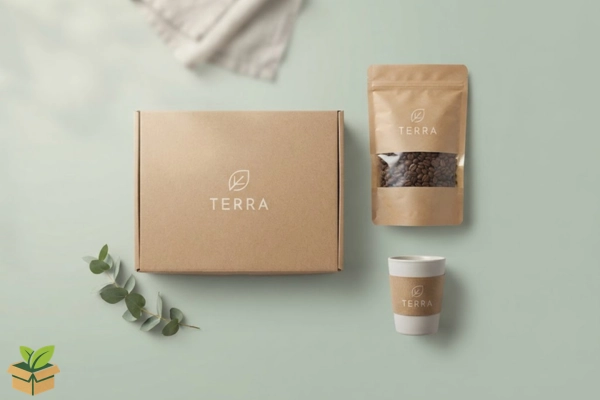
The materials you choose speak volumes. Kraft paper feels natural and sustainable, while glossy laminated boxes feel premium and modern. Choosing the right packaging materials is not just about protecting the product — it is about matching the material’s feel to your brand’s personality.
Consistent Color Palette
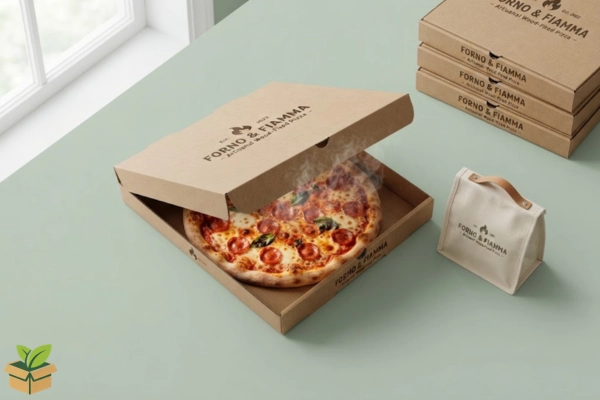
Whether it is your pizza boxes or your standup pouches, sticking to two or three signature colors across all packaging types builds instant recognition. This consistency is a core pillar of brand consistency, and it is one of the cheapest yet most effective branding tools available to small businesses.
🌱 Sustainable Packaging: Aligning Eco-Values with Brand Story
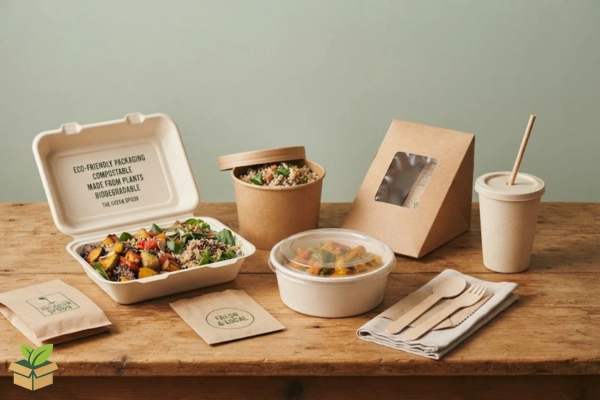
Modern consumers, especially younger ones, actively look for businesses that care about the planet. This has made sustainable packaging one of the fastest-growing branding tools in Pakistan and globally. When your packaging is biodegradable, recyclable, or reusable, it does more than reduce environmental impact — it tells your customers that your brand values something bigger than profit.
Restaurants switching to eco-friendly burger boxes or bakeries choosing biodegradable cake boxes often find that customers mention this positively in reviews and social media posts, unprompted. This kind of organic advocacy is priceless for brand storytelling, because it turns your packaging choice into a talking point rather than just a functional necessity.
If you are considering this shift, resources like how to switch your business to eco-friendly packaging walk through practical steps without overwhelming your budget. Many businesses discover that sustainable packaging solutions are more affordable today than they expect, especially when purchased in bulk from a reliable Pakistani supplier.
🛍️ Custom Packaging for Branding: Practical Examples from Real Businesses
Let’s move from theory to real examples, because seeing how other businesses apply this makes the concept much easier to grasp.
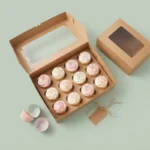
A bakery in Karachi rebranded its cupcake boxes with a soft pastel palette and a hand-drawn logo. Within months, customers started tagging the bakery on Instagram simply because the packaging looked “photo-worthy.” This is a textbook case of building brand loyalty with packaging — the box itself became part of the customer experience worth sharing.
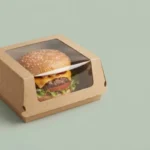
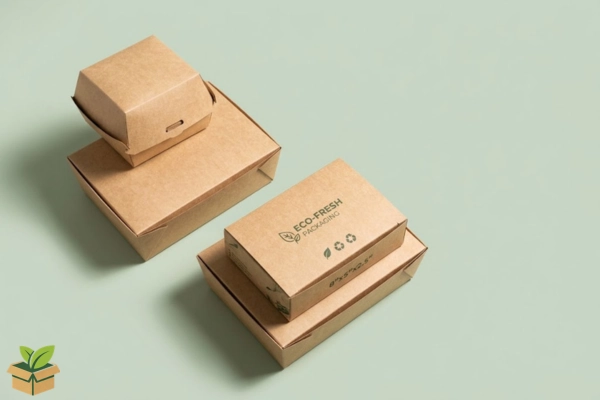
Similarly, a fast-food chain switched from plain white burger boxes to custom printed kraft boxes featuring their tagline and logo. Customers reported feeling like they were getting a “premium” product, even though the food recipe had not changed at all. You can explore similar transformations in custom printed burger boxes for your brand, which shows how small design changes create outsized brand impact.
Gift and confectionery businesses have also seen success using custom printed tin boxes for your brand, where the reusability of tin packaging means customers keep the box long after the product is gone — a subtle, ongoing brand reminder sitting on a shelf at home.
📊 Packaging Strategy for Brand Growth: Choosing the Right Approach
Different business types need different packaging strategies. Below is a quick comparison to help you identify what fits your brand stage and budget.
| Business Stage | Recommended Packaging Approach | Branding Benefit |
|---|---|---|
| New/Startup | Simple custom printed boxes with logo | Builds initial brand recognition affordably |
| Growing Business | Custom colors, typography, and material upgrade | Strengthens brand consistency across products |
| Established Brand | Premium materials, sustainable packaging, storytelling elements | Builds long-term brand loyalty and advocacy |
| Eco-Conscious Brand | Biodegradable/compostable packaging with minimal design | Attracts environmentally aware customers |
This table highlights an important truth: you do not need a massive budget to start building brand identity through packaging. Even small, consistent design choices compound over time into strong brand recognition through packaging.
🔁 The Unboxing Experience and Brand Recall
Unboxing has become a genuine marketing phenomenon, especially with social media platforms rewarding satisfying, aesthetic reveal moments. A well-designed unboxing experience creates anticipation and excitement, which directly strengthens brand recall long after the purchase is complete.
This does not require expensive tissue paper or ribbons. Something as simple as a branded sticker sealing the box, a thank-you note with your logo, or a distinct pattern inside the packaging can transform an ordinary delivery into a memorable moment. Businesses using custom printing on pizza boxes often find that even a small printed message on the inside lid gets photographed and shared, effectively turning packaging into free advertising.
The key takeaway here is that creating a memorable unboxing experience does not depend on cost — it depends on intention. Every element, from the tape you use to the way the box opens, should feel deliberate rather than accidental.
🚫 Common Packaging Mistakes That Hurt Brand Identity
Before finalizing your packaging strategy, it helps to know what not to do. Many small businesses unintentionally weaken their branding through avoidable errors.
- Using inconsistent colors or fonts across different product lines, confusing customer recognition
- Choosing packaging that does not match product size, leading to damage or unprofessional presentation
- Ignoring the material quality, resulting in packaging that tears or looks cheap during delivery
- Skipping the logo or brand name entirely, missing a free branding opportunity
A deeper look at these pitfalls is available in packaging mistakes small businesses make, which covers additional practical fixes for each issue mentioned above.
🧠 How to Create Brand Identity with Packaging: A Step-by-Step Approach
Building brand identity through packaging does not happen overnight, but it does follow a logical sequence that any business can follow regardless of size.
The process starts with defining your brand’s personality — is it playful, premium, minimalist, or eco-conscious? Once that is clear, translate it into visual choices: colors, fonts, and materials that reflect that personality consistently. From there, select a packaging supplier who understands both your budget and quality expectations, since inconsistent print quality can undo even the best design work. Resources like how to choose the right packaging supplier in Pakistan can help streamline this decision.
Finally, test your packaging with real customers before scaling production. Small adjustments based on real feedback — like a handle that is easier to carry or a window that shows the product better — often make the biggest difference in how your brand is perceived at scale.
💬 Brand Storytelling Through Packaging
Packaging gives you physical space to tell your story in ways digital ads cannot. A short line about your founding mission, a QR code linking to your sustainability practices, or even the choice of eco-friendly packaging materials all communicate values without saying a single word out loud.
This is particularly powerful for food and gift businesses, where emotional connection drives repeat purchases. Brands that successfully weave storytelling into their packaging — through printed messages, illustrated patterns, or material choices — tend to see stronger customer experience ratings and higher social sharing rates. Staying updated with packaging trends in Pakistan can also help you incorporate current storytelling techniques that resonate with local audiences.
✅ Building Brand Loyalty with Packaging
Ultimately, building brand loyalty with packaging comes down to consistency and thoughtfulness repeated over time. Customers return to brands that make them feel valued, and packaging is one of the most tangible ways to communicate that value on every single order.
Consider how eco packaging is growing across Pakistan — businesses that adopted sustainable, well-branded packaging early are now seeing measurable loyalty benefits as customer awareness around environmental impact continues rising. This trend is not slowing down, which means the businesses investing in strong packaging branding today are setting themselves up for long-term customer retention.
🏁 Conclusion
Packaging is far more than a protective layer around your product — it is one of the most powerful, cost-effective branding tools available to any business, regardless of size or industry. From choosing the right colors and materials to crafting a memorable unboxing experience, every decision either strengthens or weakens how customers perceive your brand.
If you take one thing away from this guide, let it be this: how to build a strong brand with packaging is really about consistency, intention, and aligning your packaging choices with the story you want your customers to remember. Start small if you need to, but start with purpose.
Ready to give your brand the packaging it deserves? Explore Eco Packaging’s complete range of custom and sustainable packaging solutions and take the first step toward packaging that truly represents your brand.
❓ Frequently Asked Questions
Q1: How does packaging affect brand identity? Packaging affects brand identity by visually communicating your brand’s personality, values, and quality standards before customers even experience the product itself. Consistent colors, logos, and materials help build instant recognition.
Q2: What is the most cost-effective way to start branding my packaging? Start with a consistent logo, one or two signature colors, and a simple custom print on your existing packaging type, such as boxes or pouches, before investing in premium materials.
Q3: Does eco-friendly packaging really improve brand perception? Yes, sustainable packaging is increasingly linked to positive brand perception, especially among younger and environmentally conscious consumers who actively choose brands aligned with their values.
Q4: How important is the unboxing experience for branding? The unboxing experience significantly boosts brand recall and social sharing, turning a simple delivery into a memorable, shareable moment that reinforces your brand identity.
Q5: Can small businesses afford custom branded packaging? Absolutely. Many suppliers offer affordable custom printing options for small and medium businesses, making branded packaging accessible even on a limited budget.











(0) Comments