

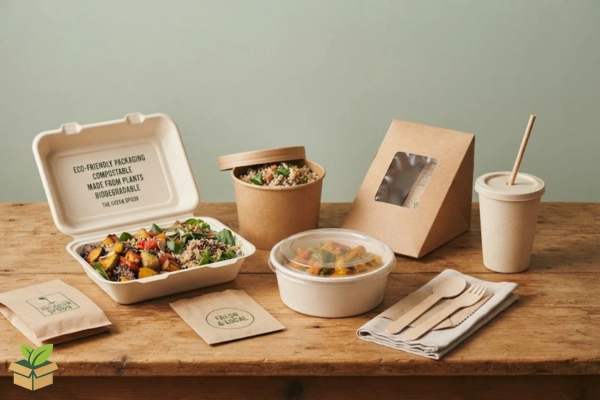
Eco Food Packaging: A Complete Guide for Restaurants (2026 Edition)
The restaurant industry is at a turning point — and eco food packaging is no longer just a trend, it’s a business necessity. Whether you run a small café in Karachi or a multi-branch fast food chain, the packaging you choose says a lot about your brand values, your commitment to the planet, and even your bottom line. Eco-friendly food packaging for restaurants has evolved dramatically over the past few years, offering options that are not only sustainable but also practical, affordable, and genuinely impressive to customers.
In this complete guide, we’ll walk you through everything — from what eco food packaging actually means, to the best materials available, how to make the switch, and what it costs. Let’s unpack it all, step by step.
🌍 What Is Eco Food Packaging?
Simply put, eco-friendly food packaging refers to any packaging material that is designed to minimize environmental harm — either by being biodegradable, compostable, recyclable, or made from renewable resources.
Unlike traditional plastic packaging that can take 400+ years to decompose, sustainable food packaging breaks down naturally, reduces carbon emissions, and supports a circular economy.
What Makes Packaging “Eco-Friendly”?
For packaging to qualify as genuinely green, it should meet one or more of these criteria:
- Biodegradable — breaks down naturally in the environment
- Compostable — decomposes into nutrient-rich compost within a set timeframe
- Recyclable — can be processed and reused as raw material
- Made from renewable sources — such as sugarcane, bamboo, or cornstarch
- BPA-free — free from harmful chemical compounds
- FSC-certified — sourced from responsibly managed forests
💡 Not all “green” labels are equal. Always look for certified materials when sourcing your restaurant eco packaging.
♻️ Why Should Restaurants Use Eco-Friendly Packaging?
This is the question most restaurant owners ask — and the answer goes far beyond just “saving the planet.” Here’s why switching to environmentally friendly food packaging makes smart business sense too.
1. 🌱 Environmental Impact
- Reduces plastic waste that ends up in landfills and oceans
- Lowers your restaurant’s carbon footprint
- Supports packaging waste reduction at a community level
- Helps protect local ecosystems and water sources
2. 💼 Brand Reputation & Customer Loyalty
Today’s customers — especially millennials and Gen Z — actively choose brands that align with their values. Studies show:
- 73% of consumers are willing to pay more for sustainable products
- Restaurants using green packaging are perceived as more trustworthy and premium
- Eco packaging creates a memorable unboxing experience for delivery orders
3. 📈 Business & Regulatory Benefits
- Many cities and countries are banning single-use plastics — getting ahead of regulations saves future costs
- Eco packaging often qualifies for green business certifications
- Sustainable supply chain practices attract corporate and institutional clients
- Reduces long-term packaging costs through bulk buying and material efficiency
🧱 Types of Sustainable Food Packaging Materials
Understanding your material options is the foundation of making the right choice. Here’s a breakdown of the most popular sustainable packaging materials for food used by restaurants today.
🟤 1. Kraft Paper Packaging
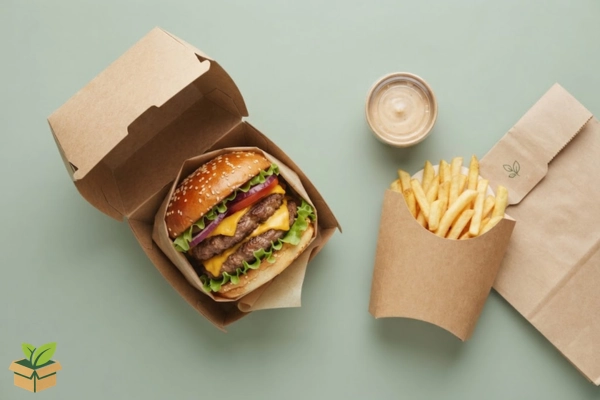
Kraft paper is one of the most versatile and widely used eco-friendly materials. It’s made from wood pulp using a chemical process that retains the natural strength of the fibers.
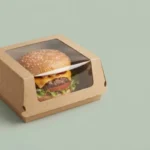
Best for: Burger boxes, sandwich boxes, fries cones, paper bags, and kraft bowls
Why restaurants love it:
- 100% recyclable and biodegradable
- Gives a natural, artisan aesthetic
- Grease-resistant options available
- Affordable and widely available
If you’re looking for practical kraft options, explore our range of kraft food packaging including kraft bowls in multiple sizes — from 200ml to 1000ml — perfect for soups, salads, and rice dishes.
🌾 2. Bagasse (Sugarcane) Packaging
Bagasse is the fibrous pulp left over after sugarcane juice is extracted. It’s one of the most exciting innovations in eco packaging — strong, heat-resistant, and fully compostable.
Best for: Plates, trays, clamshell containers, bowls
Why it stands out:
- Made from agricultural waste — zero new resources needed
- Microwave and freezer safe
- Breaks down in 90 days in a composting environment
- Excellent for hot and cold foods
Our compostable 3-compartment biodegradable disposable plates are a perfect example of bagasse in action — ideal for restaurant meal platters and catering events.
🌽 3. PLA (Polylactic Acid) Packaging
PLA is a bioplastic derived from cornstarch or sugarcane. It looks and feels like regular plastic but is compostable under industrial conditions.
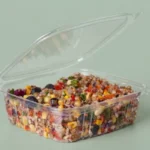
Best for: Cold drink cups, clear lids, salad containers, takeout containers
Key facts:
- Transparent like plastic — great for food display
- Compostable in industrial composting facilities
- Not suitable for very hot liquids (melts above 50°C)
- BPA-free and food-safe
🎋 4. Bamboo Packaging
Bamboo is one of the fastest-growing plants on Earth — it regenerates in just 3–5 years compared to decades for hardwood trees. Bamboo packaging is durable, lightweight, and naturally antimicrobial.
Best for: Cutlery, chopsticks, serving trays, skewers
Check out our bamboo chopsticks and wooden skewer sticks — small touches that make a big environmental difference.
🌿 5. Biodegradable Wooden Products
Birchwood and other sustainably sourced woods are increasingly popular for single-use cutlery and serving items. They’re sturdy, elegant, and fully biodegradable.
Best for: Cutlery sets, serving trays, stir sticks, popsicle sticks
Our eco-friendly wooden cutlery range includes:
- Birchwood wooden fork
- Birchwood wooden spoon
- Birchwood wooden knife
- Wooden coffee stir sticks
- Disposable wooden boat serving trays
These are perfect replacements for plastic cutlery in your restaurant, café, or catering setup.
📦 6. Recycled Cardboard & Paper
Recycled cardboard packaging uses post-consumer waste paper to create sturdy boxes and containers. It reduces the need for virgin materials and keeps paper in the recycling loop longer.
Best for: Pizza boxes, burger boxes, bakery boxes, shipping boxes
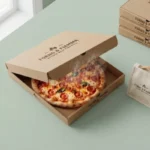
Our pizza box range and burger boxes are made from food-grade recycled cardboard — strong enough to handle the heat and grease of your best-selling items.
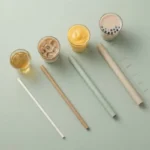
🌱 7. Paper Straws
Replacing plastic straws with paper straws is one of the easiest and most visible eco switches a restaurant can make.
- Biodegradable within weeks
- Available in multiple sizes and colors
- Customers notice and appreciate the change
Our 6mm paper straws are food-safe, sturdy enough for most beverages, and a great first step in your sustainability journey.
📊 Eco Packaging Materials: Quick Comparison
Here’s a side-by-side overview to help you choose the right material for each use case:
| Material | Best For | Biodegradable? | Compostable? | Heat Resistant? |
|---|---|---|---|---|
| Kraft Paper | Boxes, bags, bowls | ✅ Yes | ✅ Yes | Moderate |
| Bagasse | Plates, trays, clamshells | ✅ Yes | ✅ Yes (90 days) | ✅ Yes |
| PLA Bioplastic | Cold cups, clear lids | ✅ Yes | Industrial only | ❌ No |
| Bamboo | Cutlery, chopsticks | ✅ Yes | ✅ Yes | ✅ Yes |
| Birchwood | Cutlery, trays, sticks | ✅ Yes | ✅ Yes | ✅ Yes |
| Recycled Cardboard | Pizza/burger boxes | ✅ Yes | Partial | Moderate |
| Paper Straws | Beverages | ✅ Yes | ✅ Yes | ❌ No |
The right material depends on your food type, temperature requirements, and customer experience goals.
🍔 Eco Packaging Solutions by Restaurant Type
Different restaurant formats have different needs. Here’s how to match eco packaging solutions for food businesses to your specific setup.
🍕 Quick Service Restaurants (QSR) & Fast Food
Priorities: Speed, durability, heat retention, grease resistance
Recommended eco options:
- Kraft paper burger boxes — brown zinger burger box or white petty burger box
- Kraft fries paper cones and kraft fries pocket
- Pizza boxes in square or 6-corner designs
- Paper straws instead of plastic
- Wooden cutlery sets
☕ Cafés & Coffee Shops
Priorities: Aesthetic appeal, insulation, sustainability storytelling
Recommended eco options:
- Double wall paper coffee cups — insulated without plastic lining
- Kraft 4-cup coffee carrier for takeaway orders
- Wooden coffee stir sticks instead of plastic
- Paper straws for cold beverages
- Kraft sandwich boxes with window for display
🥗 Healthy Food & Salad Restaurants
Priorities: Food visibility, freshness, clean presentation
Recommended eco options:
- Kraft bowls with lids in various sizes
- Round kraft bowls for poke bowls and grain bowls
- Compostable plates for dine-in
- Wooden forks and spoons for takeaway
🎂 Bakeries & Dessert Shops
Priorities: Product visibility, presentation, moisture resistance
Recommended eco options:
- Kraft bakery boxes with window display
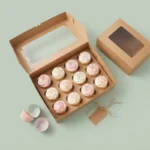
- Kraft cupcake boxes — single to 12-cavity options
- Kraft paper bags for carrying cake boxes
- Eco round cake boards as a sustainable base alternative
🥡 Takeaway & Delivery-First Restaurants
Priorities: Leak-proof, stackable, delivery-friendly, temperature retention
Recommended eco options:
- Kraft bowls with lids — leak-resistant and microwave safe
- Kraft multipurpose box with handle
- SOS paper bags for order bundling
- Kraft paper bags with twisted rope handle for premium delivery
💰 Eco Packaging Cost for Small Restaurants
One of the biggest concerns restaurant owners have is: “Is eco packaging more expensive?”
The honest answer: it depends — but the gap is closing fast.
Cost Breakdown Reality
| Packaging Type | Conventional Plastic | Eco Alternative | Cost Difference |
|---|---|---|---|
| Food containers | Low | Slightly higher | +10–25% |
| Cutlery sets | Very low | Moderate | +15–30% |
| Coffee cups | Moderate | Similar | +5–15% |
| Bags & wrapping | Low | Similar | +5–10% |
| Straws | Very low | Similar | +10–20% |
How to Reduce Eco Packaging Costs
- Buy in bulk — unit costs drop significantly at higher volumes
- Standardize sizes — fewer SKUs mean better pricing
- Partner with local suppliers — reduces shipping costs and lead times
- Start with high-visibility items — switch straws and bags first, then containers
- Factor in brand value — eco packaging often justifies a small price premium on menu items
💡 Many restaurants report that switching to eco packaging actually increased average order values by 8–12% due to improved brand perception.
🔄 How to Switch to Sustainable Packaging in Your Restaurant
Making the transition doesn’t have to be overwhelming. Here’s a practical, phased approach:
Phase 1: Audit Your Current Packaging (Week 1–2)
- List every packaging item you currently use
- Identify the highest-volume plastic items
- Calculate your monthly packaging spend
- Note which items are customer-facing vs. back-of-house
Phase 2: Research & Sample (Week 3–4)
- Identify eco alternatives for your top 5 packaging items
- Order samples and test with actual food items
- Check heat resistance, leak-proofing, and structural integrity
- Get feedback from your kitchen team
Phase 3: Supplier Selection (Week 5–6)
- Compare pricing from sustainable packaging suppliers
- Check for certifications (FSC, compostable, BPA-free)
- Confirm lead times and minimum order quantities
- Negotiate bulk pricing for your most-used items
Phase 4: Phased Rollout (Month 2–3)
- Start with the easiest swaps: straws, bags, cutlery
- Move to containers and boxes next
- Train staff on proper disposal and customer communication
- Update your menu and social media to highlight the change
Phase 5: Communicate & Market (Ongoing)
- Add eco packaging messaging to your menu and social media
- Train staff to mention it when customers ask
- Share your sustainability story — customers love authenticity
🌐 Sustainable Packaging Trends in the Restaurant Industry (2026)
The eco packaging space is evolving rapidly. Here are the trends shaping the industry right now:
1. Seaweed-Based Packaging
Edible and compostable packaging made from seaweed is gaining traction for sauce sachets and single-serve condiments.
2. Mushroom (Mycelium) Packaging
Grown from agricultural waste and mushroom roots, mycelium packaging is being explored for insulated food delivery boxes.
3. Smart Eco Labels
QR codes on packaging that link to the product’s environmental impact data — building transparency and trust with customers.
4. Reusable Container Programs
Some restaurants are launching deposit-based reusable container systems for regular customers — reducing single-use waste entirely.
5. Minimalist Packaging Design
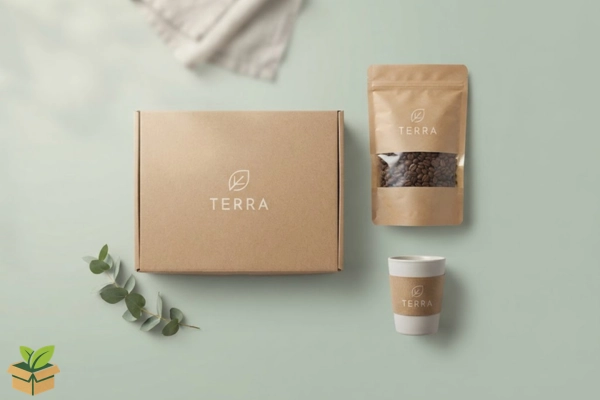
Less ink, less material, more impact. Brands are moving toward clean kraft aesthetics that communicate sustainability visually.
6. Custom Printed Eco Packaging
Restaurants are investing in custom printed napkins and branded eco packaging to combine sustainability with marketing — a smart dual-purpose investment.
✅ Is Compostable Packaging Better Than Recyclable?
This is one of the most common questions in the eco packaging world — and the answer is nuanced.
| Factor | Compostable | Recyclable |
|---|---|---|
| End-of-life process | Breaks down into compost | Reprocessed into new material |
| Infrastructure needed | Industrial composting facility | Recycling facility |
| Consumer effort | Requires correct bin | Requires correct bin |
| Best for | Food-contaminated packaging | Clean, dry packaging |
| Environmental benefit | Returns nutrients to soil | Reduces virgin material use |
The verdict: For food packaging specifically, compostable is often better because food-contaminated packaging cannot be recycled effectively. However, the best strategy is to use both — compostable for food-contact items and recyclable for outer packaging and bags.
📜 Eco Packaging Regulations for Restaurants
Staying ahead of regulations protects your business. Here’s what’s happening globally and locally:
- Single-use plastic bans are now active in 60+ countries
- Pakistan is progressively restricting plastic bags and single-use items in major cities
- EU regulations mandate that all food packaging be recyclable or compostable by 2030
- Extended Producer Responsibility (EPR) laws are making brands financially responsible for their packaging waste
Getting compliant now means you won’t face rushed, costly transitions later.
🛒 Where to Buy Eco Food Packaging in Pakistan
If you’re a restaurant owner in Pakistan looking for reliable, quality eco packaging, EcoPackaging.pk offers one of the most comprehensive ranges available — from kraft food boxes and biodegradable cutlery to compostable plates and sustainable coffee cups.
Explore key categories:
- 🥣 Eco Food Packaging — dedicated eco range
- 🌿 Eco Products — sustainable lifestyle items
- 📦 Kraft Food Boxes — boxes for every food type
- 🍜 Kraft Bowls — soup, rice, salad containers
- ☕ Coffee Cups — double-wall paper cups
- 🍕 Pizza Boxes — kraft and cardboard options
- 🍔 Burger Boxes — kraft burger packaging
- 🥗 Fries Packaging — cones and pockets
- 🥪 Sandwich Boxes — window display options
- 🎂 Bakery Packaging — full bakery range
💡 Conclusion: The Future of Restaurants Is Green
Switching to eco-friendly food packaging for restaurants is one of the most impactful decisions you can make as a food business owner in 2026. It reduces your environmental footprint, strengthens your brand identity, builds customer loyalty, and positions you ahead of tightening regulations.
The good news? You don’t have to do it all at once. Start small — swap your plastic straws for paper ones, replace plastic bags with kraft paper bags, and introduce wooden cutlery for takeaway orders. Each small step compounds into a meaningful change.
Your customers are watching. The planet is counting on it. And your brand will be better for it.
📣 Call to Action
Ready to make the switch? Browse our complete range of sustainable food packaging solutions at EcoPackaging.pk and find the perfect eco alternatives for your restaurant — from kraft bowls and biodegradable cutlery to compostable plates and double-wall coffee cups.
Have questions about which packaging is right for your restaurant? Explore our full product range or get in touch — we’re here to help you go green without compromising on quality or budget.












(0) Comments