
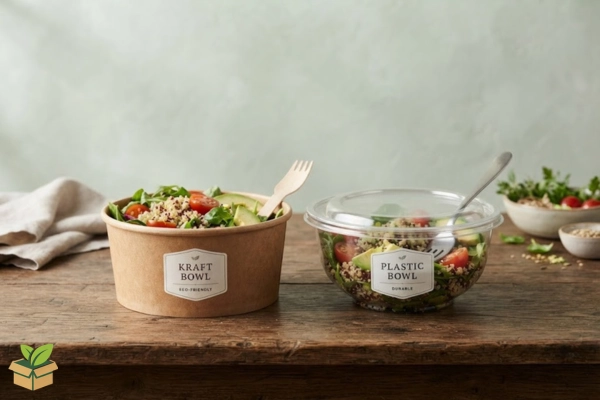
Kraft Bowl vs Plastic Bowl: Which One Truly Wins for Your Food Business?
If you’ve ever stood in front of a packaging supplier trying to decide between a Kraft Bowl vs Plastic Bowl, you’re not alone. This is one of the most common dilemmas facing restaurant owners, cloud kitchens, and food delivery brands today. Both options look practical on the surface — but they behave very differently once real customers, real food, and real delivery conditions come into play.
In this guide, we’ll break down everything from durability and cost to environmental impact, so you can confidently pick the bowl that actually fits your business — not just the one that looks good on a shelf.
🥣 What is a Kraft Bowl? (Quick Overview)
A kraft bowl is a food container made from kraft paper material, often lined with a food-grade coating to make it leak-resistant and sturdy enough to hold liquids, sauces, and hot meals.
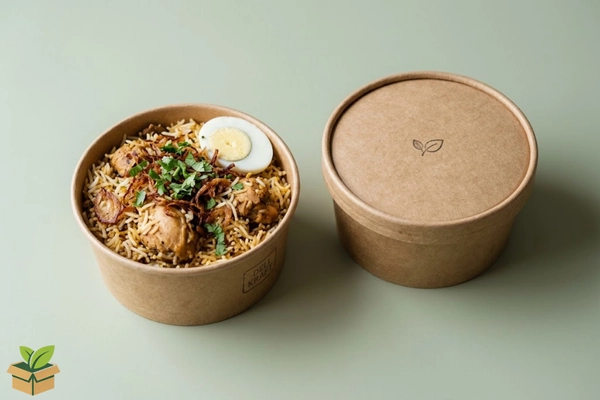
Kraft bowls have become extremely popular in Pakistan’s food industry, especially among brands that want to project a premium, eco-conscious image. You’ll typically find them used for:
- Biryani and rice bowls
- Salads and healthy meal boxes
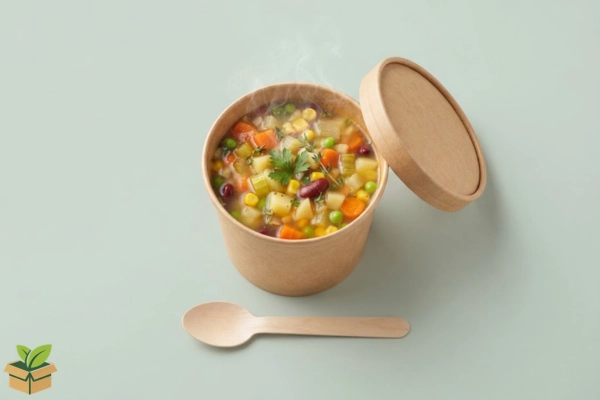
- Soups and curries
- Desserts and ice cream
If you’re curious what sizes are available, EcoPackaging offers a full range in their Kraft Bowls collection, including options like the 500ml round kraft bowl and 1000ml round kraft bowl — both popular choices for takeaway meals.
🧴 What is a Plastic Bowl? (Quick Overview)
A plastic bowl, on the other hand, is typically made from polypropylene (PP) or similar plastic resins. It’s been the industry standard for decades because it’s cheap, transparent, and easy to mass-produce.
Plastic bowls are commonly used for:
- Cold salads and desserts
- Deli-style takeaway meals
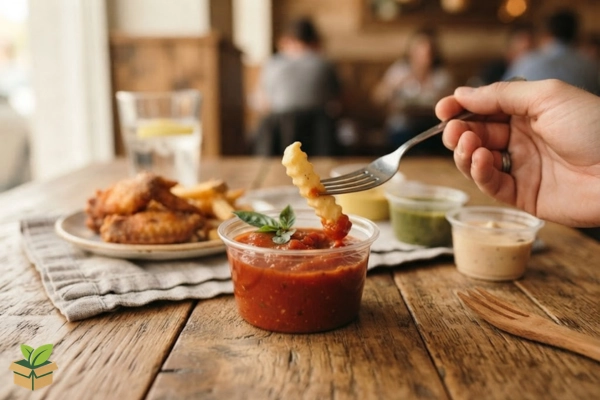
- Fast food sides and dips
- Bulk catering setups
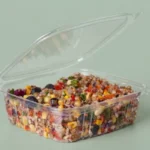
You can browse examples like transparent salad bowls with clear plastic lid or check the broader Plastic Products category to see how varied this segment really is.
⚖️ Kraft Bowl vs Plastic Bowl: Head-to-Head Comparison
Let’s get into the real comparison — because this is where most buying decisions actually get made.
🌍 Environmental Impact
This is arguably the biggest deciding factor today.
- Kraft bowls are made from renewable paper fibers, are largely biodegradable packaging, and many variants are fully compostable bowls.
- Plastic bowls contribute directly to plastic pollution and take hundreds of years to break down in landfills.
With the growing single-use plastic ban in several regions (including parts of Pakistan), businesses are shifting toward sustainable food packaging to stay compliant and future-proof their brand.
💪 Durability & Leak-Proof Design
Here’s where people are often surprised.
- Modern kraft bowls — especially those made with proper food-grade kraft paper — are surprisingly leak-proof bowls, thanks to internal PE or PLA coatings.
- Plastic bowls are naturally leak-resistant and slightly more rigid under pressure, but they can crack or warp under extreme heat.
If your food business regularly handles hot soups or curries, this bowl durability comparison matters more than you’d think.
💰 Cost Comparison
Let’s talk numbers, because budget always plays a role.
- Plastic bowls are generally cheaper per unit in bulk production, mainly due to decades of mass manufacturing infrastructure.
- Kraft bowls cost slightly more upfront, but many brands find the cost comparison in packaging evens out once you factor in customer perception, marketing value, and reduced plastic tax/compliance costs.
We’ll break down the full kraft bowl price vs plastic bowl price picture a little later in this article.
🩺 Food Safety & Health
Both options can be food-safe, but the details matter.
- Quality kraft bowls use food-grade material that doesn’t leach chemicals, even with hot food.
- Some low-grade plastic bowls (especially non-BPA-free ones) have raised health and safety concerns when exposed to heat or acidic foods.
🏷️ Customer Perception & Branding
This one’s often overlooked, but it shouldn’t be.
- Kraft bowls instantly communicate a green, premium, health-conscious brand image.
- Plastic bowls feel more “generic” and are increasingly associated with environmentally careless businesses in the eyes of younger consumers.
✅ Kraft Bowl Benefits You Should Know
If you’re leaning toward kraft, here’s exactly why it might be the smarter long-term move:
- Eco-friendly packaging solutions that align with global sustainability trends
- Naturally biodegradable and compostable
- Excellent for hot and cold food packaging
- Sturdy enough for takeaway food containers
- Boosts brand image among eco-conscious customers
- Available in multiple sizes — from 250ml to 750ml with lid, covering everything from side dishes to full meals
⚠️ Plastic Bowl Disadvantages You Can’t Ignore
Before you default to plastic out of habit, consider these real drawbacks:
- Major contributor to global plastic waste and landfill waste
- Increasingly restricted due to single-use plastic bans
- Not biodegradable — can persist in the environment for centuries
- Can negatively affect consumer preference, especially among younger demographics
- Long-term reputational risk as sustainability regulations tighten
While plastic still has its place (we’ll get to that), it’s clear the plastic bowl environmental impact is a growing liability for brands that don’t adapt.
🍽️ Which Bowl is Better for Food Packaging? (Use-Case Breakdown)
Honestly, the answer depends on what you’re packaging and who you’re serving. Here’s a practical breakdown.
🥡 Best for Takeaway Food
For hot meals like biryani, curries, or rice bowls, kraft bowls are the clear winner. They handle heat well, feel premium in hand, and reduce the “cheap plastic” impression during delivery.
❄️ Best for Hot/Cold Food
- Hot food → Kraft bowls (better insulation, no melting risk)
- Cold food/salads → Plastic bowls still perform well here, especially transparent salad bowls where visibility matters for presentation
🌱 Best for Eco-Conscious Brands
If sustainability is part of your brand identity, kraft is non-negotiable. Explore the full Eco Food Packaging range to see how far this category has evolved.
📦 Kraft Paper Bowl Uses in the Food Industry
Kraft paper bowls aren’t just a “trendy” alternative — they’re being adopted across multiple food segments:
- Cloud kitchens packaging rice and curry bowls
- Cafes serving salads and grain bowls
- Dessert shops using smaller kraft bowls for ice cream or puddings
- Catering services looking for a premium, disposable option
If you run a bakery or dessert-focused business, it’s also worth exploring related Bakery Packaging options that pair naturally with kraft bowls for a cohesive brand look.
🌿 Biodegradable Bowl vs Plastic Bowl: The Sustainability Verdict
When you strip away branding and marketing language, the science is fairly clear:
| Factor | Kraft/Biodegradable Bowl | Plastic Bowl |
|---|---|---|
| Decomposition Time | Weeks to months | 100+ years |
| Recyclability | High (recyclable bowls) | Limited, often single-use |
| Carbon Footprint | Lower | Higher |
| Compostability | Yes, in most cases | Rarely |
| Regulatory Risk | Low | Increasing |
The takeaway? If your business plans to operate for the next decade, betting on biodegradable packaging isn’t just ethical — it’s strategic.
💵 Kraft Bowl Price vs Plastic Bowl Price: What You’re Really Paying For
Let’s be transparent about cost, because pricing conversations shouldn’t be vague.
- Plastic bowls typically cost less per unit in bulk, thanks to established manufacturing at scale.
- Kraft bowls cost slightly more, but the price gap has been shrinking significantly as demand grows and the kraft bowl manufacturing process becomes more efficient.
Here’s the part most business owners miss: the real cost isn’t just the unit price. It includes:
- Potential fines or restrictions from single-use plastic bans
- Customer retention tied to brand values
- Marketing costs saved because sustainability sells itself
When you factor in the full picture, many businesses find that switching to kraft bowls — even at a slightly higher packaging cost — pays off within a few months through improved customer loyalty and reduced compliance risk.
🏆 Final Verdict: Kraft Bowl vs Plastic Bowl — Which Should You Choose?
So, which bowl is better for food packaging? Here’s the honest, no-fluff answer:
- If you’re serving hot food, want an eco-friendly image, and plan for long-term compliance → go with kraft bowls.
- If you need ultra-low-cost, high-volume packaging for cold items and sustainability isn’t your immediate priority → plastic bowls still have a place, especially for items like deli containers.
That said, the broader market trend is unmistakable — food businesses worldwide are gradually phasing out plastic in favor of green packaging alternatives, and kraft bowls are leading that shift.
🎯 Conclusion
Choosing between a Kraft Bowl vs Plastic Bowl isn’t just about price tags — it’s about the kind of brand you want to build. Kraft bowls offer a smarter long-term investment through sustainability, customer trust, and regulatory safety, while plastic bowls still hold value for specific low-cost, high-volume use cases.
The smartest food businesses today aren’t choosing one over the other blindly — they’re strategically combining both based on the product, the customer experience, and where the industry is heading.
🚀 Ready to Upgrade Your Food Packaging?
Whether you’re switching to eco-friendly kraft bowls or still exploring plastic options for specific needs, EcoPackaging has you covered with a complete range of food-grade, leak-proof, and customizable bowls.
👉 Explore the full collection now at EcoPackaging’s Shop and find the perfect packaging solution for your business today.
❓ Frequently Asked Questions (FAQs)
Q1: Is a kraft bowl better than a plastic bowl for hot food? Yes. Kraft bowls handle heat better without warping or melting, making them a safer and more reliable choice for hot meals like curries, rice, and soups.
Q2: Are kraft bowls more expensive than plastic bowls? Slightly, yes — but the price gap is shrinking, and the long-term savings from avoiding plastic regulations often outweigh the small cost difference.
Q3: Can kraft bowls hold liquids without leaking? Modern kraft bowls made with food-grade coatings are designed to be leak-proof, making them suitable for soups, curries, and sauces.
Q4: Are plastic bowls being banned in Pakistan? Several regions are gradually implementing single-use plastic restrictions, pushing more food businesses toward biodegradable alternatives like kraft bowls.
Q5: Which bowl is more eco-friendly — kraft or plastic? Kraft bowls are significantly more eco-friendly since they’re biodegradable and often compostable, unlike plastic bowls that persist in landfills for decades.














(0) Comments