

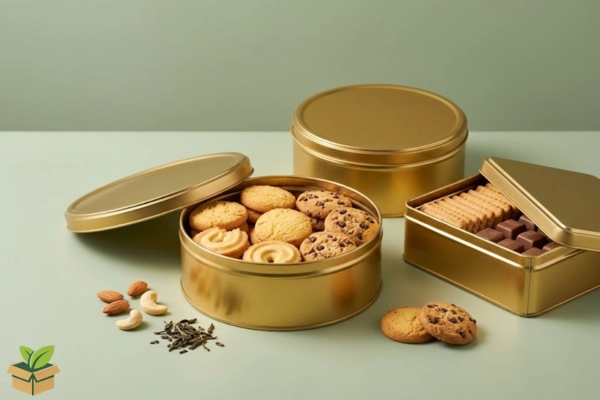
How Tin Boxes Protect Food Products: 8 Ways They Preserve Freshness
Understanding how tin boxes protect food products can help bakeries, confectionery brands, cafés, retailers, and home-based food businesses choose packaging that keeps products fresh while improving presentation. Well-designed tin boxes for food packaging create a strong barrier against moisture, light, air, odors, contamination, and physical damage. They are especially useful for biscuits, cookies, chocolates, tea, coffee, spices, nuts, and other dry foods that need dependable protection.
Food packaging is not simply a container with a logo. It is part of the product’s safety, quality, shelf life, and customer experience. Poor packaging may allow humidity to soften biscuits, sunlight to affect flavor, or physical pressure to crush delicate snacks before they reach the customer.
That is where tin food packaging earns its place. Tinplate containers combine protective barrier properties with strength, reusability, recyclability, and premium visual appeal. However, the level of protection depends on the tin’s construction, closure, internal coating, storage conditions, and suitability for the specific food.
This guide explains how food protection using tin boxes works, which products are suitable for tins, and what food businesses should check before selecting them.
What Is Tin Food Packaging?
Tin packaging for food products is generally made from tinplate, not solid tin. Tinplate is thin steel coated with a protective layer of tin. This combination provides the structural strength of steel and helps improve resistance to corrosion.
A food tin may also have a food-safe lacquer or internal protective coating. This coating separates the food from direct contact with the metal and helps prevent unwanted chemical reactions.
A typical tin food container may include:
- A tinplate steel body
- A fitted, hinged, or slip-on lid
- Sealed or mechanically formed seams
- An internal food-grade coating
- An external printed, painted, or embossed finish
- Optional inserts, liners, or tamper-evident features
Unlike ordinary decorative metal containers, food-grade tin containers should be manufactured and finished for their intended food-contact use. A decorative tin should not automatically be assumed to be food-safe.
Businesses exploring this packaging format can view Eco Packaging’s range of tin boxes for food and gift packaging, including round and rectangular options.
How Tin Boxes Protect Food Products
Tin containers use several forms of protection at the same time. Their rigid body protects against crushing, while their opaque surface blocks light. A suitable closure can also limit exposure to moisture, oxygen, dust, pests, and external odors.
Here are the eight main ways they support product preservation.
1. Tin Boxes Limit Moisture Exposure
Moisture is a major enemy of dry food. Biscuits, crackers, chips, cereal, nuts, tea, spices, and powdered products can quickly lose quality when exposed to humidity.
A properly closed tin helps prevent food from coming into contact with moisture in the surrounding environment. This moisture protection can help products retain their intended texture.
For example:
- Biscuits can remain crisp for longer.
- Tea leaves are less likely to absorb humidity.
- Powdered ingredients are less likely to clump.
- Nuts may retain their crunch more effectively.
- Spices can maintain their dry consistency.
This is why moisture-resistant food packaging matters in humid climates. The metal itself does not absorb water like uncoated paperboard, and a tight-fitting lid can reduce moisture exchange.
However, not every tin is completely airtight. If a product requires a verified moisture barrier, businesses should confirm the container’s closure performance and consider using a sealed inner pouch or liner. A handsome lid is useful, but it cannot negotiate with humidity through charm alone.
2. They Reduce Contact With Air and Oxygen
Oxygen can contribute to oxidation, flavor deterioration, color changes, and rancidity. Products containing natural oils or fats—such as nuts, coffee, chocolate, and some biscuits—can be particularly sensitive.
An airtight lid and secure closure can limit the amount of air entering a container. This oxygen barrier supports:
- Flavor preservation
- Aroma retention
- Product freshness
- Color stability
- Shelf-life extension
Resealable tins also reduce exposure after the first opening. Customers can close the lid between uses rather than transferring the food into another container.
It is important to distinguish between a tight-fitting tin and a certified hermetic container. Standard slip-lid tins can reduce air exchange, but they may not provide a fully hermetic seal. Products with strict oxygen-control requirements may need an inner heat-sealed pouch, oxygen absorber, or specialist sealing system.
3. Opaque Metal Provides Complete Light Protection
Exposure to sunlight and artificial light can affect sensitive food ingredients. Light may contribute to oxidation, color fading, vitamin loss, or changes in flavor and aroma.
Tinplate is naturally opaque. It can prevent exposure to sunlight more effectively than transparent packaging.
This light protection is particularly useful for:
- Tea and coffee
- Herbs and spices
- Chocolates
- Nuts and seeds
- Powdered drink mixes
- Specialty biscuits
- Premium confectionery
Clear packages allow buyers to see the product, but they do not offer the same level of light protection. Tin food packaging solves this issue while providing a large printable surface for product photography, ingredients, branding, and usage instructions.
4. Tin Containers Help Guard Against Contamination
Food packaging against contamination requires a secure physical barrier. Closed tins help separate food from dust, insects, dirt, handling, and other external pollutants.
When paired with hygienic filling practices and a suitable closure, tin boxes may help:
- Reduce the risk of food contamination
- Prevent bacteria and external contaminants from reaching food
- Protect against dust during storage
- Discourage insects and pests
- Reduce unnecessary product handling
- Maintain packaging integrity in retail environments
The container alone cannot make unsafe food safe. Effective protection also depends on sanitation, temperature control, handling procedures, employee hygiene, and compliance with applicable food safety standards.
For stronger consumer confidence, brands may add:
- Tamper-evident stickers
- Shrink bands
- Security labels
- Inner seals
- Heat-sealed food pouches
- Batch and expiry information
These additions make tins more suitable as tamper-resistant packaging while showing customers whether the product has been opened.
5. Rigid Tinplate Protects Food From Physical Damage
Flexible packaging may protect against moisture, but it cannot always prevent crushing. Tin boxes have a rigid structure that provides resistance to pressure, impact, and deformation during normal handling.
This physical damage protection is valuable for delicate foods such as:
- Butter cookies
- Shortbread
- Rusks
- Macarons
- Chocolates
- Wafers
- Premium sweets
- Decorated confectionery
Tinplate packaging for food can help protect products during transportation, stacking, storage, and retail display. Its packaging durability may also reduce product breakage and customer complaints.
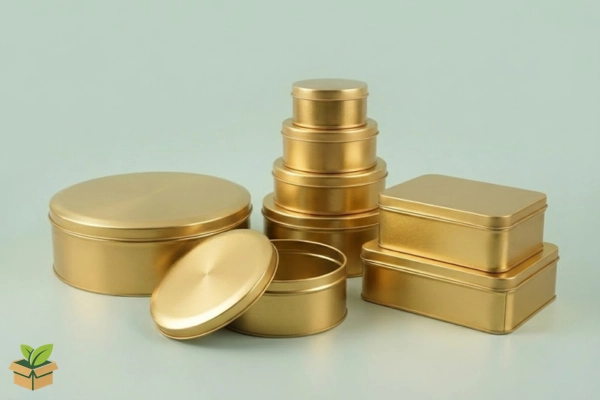
Businesses packaging round biscuits, cookies, or confectionery can explore round tin boxes in different capacities. For products that benefit from orderly arrangement and efficient stacking, rectangular tin boxes offer a space-conscious alternative.
6. Tins Help Preserve Flavor and Aroma
Food can absorb odors from its surroundings, while aromatic products can gradually lose their characteristic scent. Coffee, tea, spices, cookies, and flavored nuts all depend on aroma for the full customer experience.
A secure tin closure supports odor prevention in two ways:
- It reduces the entry of strong external smells.
- It helps contain the product’s natural aroma.
This can help maintain the flavor and aroma of food throughout storage. It is particularly useful when multiple products are stored close together in a warehouse, shop, kitchen, or household pantry.
For strong-smelling products, a high-barrier inner bag may still be appropriate. Eco Packaging’s guide to foil stand-up pouches for coffee and dry foods provides a useful comparison for brands considering a tin-and-pouch combination.
7. Protective Coatings Improve Food-Contact Performance
Although tinplate offers useful corrosion resistance, direct contact with certain foods may cause chemical interaction over time. This is why food tins often use an internal food-grade coating.
A suitable non-reactive coating for food contact can:
- Separate the food from the metal surface
- Improve corrosion resistance
- Reduce metallic flavor transfer
- Support product quality
- Protect the container’s interior
- Improve suitability for long-term storage
The correct coating depends on the product’s acidity, fat content, salt level, moisture, and expected shelf life. Dry cookies have different packaging requirements from acidic sauces or oily foods.
Food businesses should request documentation confirming that the material and coating are suitable for the intended application. They should also conduct shelf-life and compatibility testing before placing a new product on the market.
8. Tin Boxes Support Consistent Storage and Handling
Tin boxes have good temperature resistance compared with many lightweight packaging formats. They can maintain their shape under ordinary storage and transportation conditions, helping protect the food inside.
They are also easy to stack, label, count, and organize. This makes them useful for:
- Warehouse storage
- Retail displays
- Gift packs
- E-commerce fulfilment
- Seasonal product ranges
- Corporate gifting
- Premium product launches
Tin containers do not replace temperature-controlled storage. Chocolate can still melt, and heat-sensitive food can still deteriorate inside a metal box. The tin protects the package, but proper storage conditions remain essential.
Key Benefits of Tin Packaging for Food
The benefits of tin packaging for food go beyond barrier protection. Tin boxes can contribute to usability, branding, sustainability, and perceived product value.
| Benefit | How It Helps Food Products | Business Value |
|---|---|---|
| Moisture protection | Helps dry foods retain texture | Reduces quality complaints |
| Light barrier | Blocks sunlight and artificial light | Supports color and flavor stability |
| Physical strength | Resists crushing during handling | Reduces breakage and product loss |
| Secure closure | Limits air, dust, and odor exposure | Supports freshness after opening |
| Reusability | Allows customers to reuse the box | Keeps the brand in the customer’s home |
| Recyclability | Metal can enter recycling streams | Supports sustainability goals |
| Premium appearance | Creates a high-value presentation | Improves gifting and retail appeal |
| Printability | Supports custom graphics and labeling | Strengthens brand recognition |
Together, these benefits make tins suitable for businesses seeking durable packaging for food without sacrificing visual appeal.
Which Foods Are Best Suited to Tin Boxes?
Tin boxes are especially effective for dry, shelf-stable products. They are widely used for packaging biscuits, cookies, tea, and chocolates, as well as premium gifts.
Tin Packaging for Biscuits and Cookies
Biscuits need protection from humidity and crushing. Tin packaging for biscuits offers a rigid outer structure while helping maintain crispness.
For an in-depth look at this use, read Eco Packaging’s complete guide to tin boxes for cookie packaging.
Suitable products include:
- Butter cookies
- Shortbread
- Crackers
- Rusks
- Wafers
- Brownies with appropriate liners
- Assorted bakery gift selections
Tin Boxes for Snacks and Confectionery
Tin boxes for snacks are suitable for nuts, dry fruit, candy, chocolate, and other low-moisture foods. Dividers or trays can keep different items separated and improve presentation.
A 500gm golden rounded tin box may suit gourmet foods, confectionery, tea, coffee, spices, or premium gift assortments, subject to product compatibility and food-contact requirements.
Tea, Coffee, Herbs, and Spices
These products benefit from light protection, odor control, and reduced moisture exposure. Tins also provide a premium surface for origin stories, preparation instructions, and brand identity.
For aroma-sensitive coffee, businesses may use a valve pouch inside a tin or choose dedicated coffee packaging. The best option depends on roasting date, degassing needs, and expected shelf life.
Chocolates and Premium Gifts
Metal boxes create a polished presentation for festive, corporate, and seasonal products. They are especially effective when appearance and keepsake value are important.
Brands comparing tins for gifting can read about tin boxes for gift packaging in Pakistan.
Round vs. Rectangular Tin Boxes
The best shape depends on the food, shelf space, transportation method, and visual identity.
| Tin Shape | Best For | Main Advantage |
|---|---|---|
| Round tins | Cookies, tea, coffee, nuts, sweets | Traditional premium appearance |
| Rectangular tins | Biscuits, chocolate bars, gift assortments | Efficient stacking and product arrangement |
| Small tins | Spices, mints, samples, favors | Portable and economical |
| Large tins | Family packs and premium assortments | Higher capacity and gifting impact |
Round tins create a classic look, while rectangular tins use shelf and shipping space efficiently. Eco Packaging’s guide comparing round tin boxes and rectangular tin boxes explains the practical differences in greater detail.
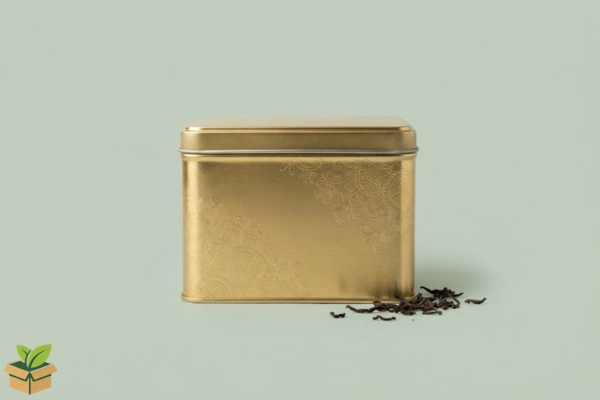
For a reusable rectangular format, brands can also review these gold rectangular tin boxes with slip lids and print-friendly surfaces.
Are Tin Boxes Airtight?
Some tins provide a tight closure, but not every tin box is technically airtight.
The performance depends on:
- Lid style
- Manufacturing tolerance
- Seam quality
- Gaskets or sealing compounds
- Inner liners
- Tamper seals
- How frequently the container is opened
- Damage or distortion during transportation
Standard slip-lid tins may reduce air and moisture movement but should not be marketed as hermetically sealed unless their performance has been tested and verified.
For sensitive products, businesses can improve protection by using:
- A sealed inner pouch
- Food-grade greaseproof paper
- A fitted tray or liner
- A shrink band
- A tamper-evident label
- A suitable desiccant approved for food-packaging applications
- An oxygen absorber where technically appropriate
These solutions combine the strength and presentation of metal boxes for food storage with the barrier performance of specialist flexible packaging.
Can Tin Packaging Extend Food Shelf Life?
Packaging that extends food shelf life works by controlling the environmental factors that cause deterioration. Tin boxes can support shelf-life extension by limiting moisture, oxygen, light, odors, contamination, and physical damage.
However, packaging does not determine shelf life on its own.
Actual shelf life depends on:
- The product recipe
- Initial microbial quality
- Water activity
- Fat and oil content
- Processing method
- Filling environment
- Closure performance
- Storage temperature
- Distribution conditions
- Internal coating and liner
- Frequency of opening
A business should avoid assigning an expiry date based only on the packaging supplier’s general description. Proper food preservation in tin boxes requires product-specific stability and shelf-life testing.
For items sold in Pakistan, businesses should also follow applicable labeling, food-contact, and safety requirements imposed by relevant authorities.
Are Tin Boxes a Sustainable Packaging Solution?
Sustainable tin packaging has several environmental advantages. Tinplate is durable, reusable, and recyclable in established metal recycling systems.
Reusable Packaging
Consumers often keep attractive tins after the original food is finished. They may reuse them for:
- Spices
- Tea
- Sewing supplies
- Stationery
- Jewelry
- Small household items
- Homemade snacks
This reuse extends the useful life of the package and keeps the brand visible. A well-designed tin may stay in a customer’s kitchen for years—which is an impressively long advertising campaign for a box.
Recyclable Metal
Steel packaging is recyclable where suitable collection and recycling infrastructure exists. This makes tins a strong option for brands interested in recyclable food packaging.
However, sustainability should be assessed across the entire packaging system. Businesses should consider:
- Material weight
- Transport distance
- Recycled content
- Reusability
- Product protection
- Food waste prevention
- Local recycling availability
- Decorative coatings and mixed-material components
Tins are not automatically the lowest-impact choice in every situation. Their durability and reuse potential make them especially valuable for premium products, gift packaging, and foods that need strong physical protection.
For broader context, explore Eco Packaging’s guide to sustainable food packaging in Pakistan and its explanation of what eco-friendly packaging means.
How Tin Packaging Strengthens Food Branding
Protective food packaging should keep products safe, but it should also communicate value. Tin boxes provide a large, durable surface for custom printing, embossing, labels, and decorative finishes.
Custom tin boxes for food can display:
- Brand logos
- Product names
- Ingredients
- Nutritional information
- Allergen declarations
- Storage instructions
- Batch numbers
- Manufacturing and expiry dates
- QR codes
- Preparation guidance
- Sustainability messages
Premium metal packaging can also improve shelf presence and make products feel more gift-worthy. Customers often associate a rigid, well-designed tin with quality, care, and durability.
Businesses planning branded packaging can consult this guide to custom-printed tin boxes to understand how shape, color, print, and finish influence presentation.
How to Choose Safe Tin Containers for Food Products
Selecting safe metal packaging for food requires more than choosing an attractive shape. Food businesses should evaluate the container as part of the complete packaging system.
Confirm Food-Contact Suitability
Ask the supplier whether the tinplate material, internal lacquer, ink, adhesive, and liner are suitable for the intended food.
Match the Tin to the Product
Consider:
- Moisture level
- Acidity
- Salt content
- Oil and fat content
- Aroma sensitivity
- Light sensitivity
- Product dimensions
- Expected shelf life
Examine the Closure
Check whether the lid is loose, fitted, hinged, sealed, or gasketed. Decide whether the product also needs an inner seal.
Inspect the Protective Coating
The interior should have a suitable, consistent coating without visible scratches, peeling, or exposed areas.
Test Packaging Performance
Conduct realistic tests involving:
- Filling
- Closing
- Stacking
- Transportation
- Temperature changes
- Humidity exposure
- Drop and compression risks
- Shelf-life performance
Check for Damage
Do not use tins with:
- Dents affecting the closure
- Rust
- Sharp edges
- Damaged seams
- Peeling coatings
- Strong chemical odors
- Poorly fitting lids
Rust-resistant food tins still require correct handling and dry storage. Corrosion resistance reduces risk, but it does not make a container indestructible.
Common Mistakes to Avoid
Even high-quality packaging can fail when used incorrectly. Avoid these common mistakes:
- Assuming every decorative tin is food-safe
Confirm food-contact compliance and coating suitability. - Calling a tin airtight without testing it
Use accurate claims based on verified closure performance. - Packing unsuitable wet or acidic foods
Match the internal coating to the product. - Ignoring the need for an inner liner
Some foods need additional moisture, grease, or oxygen protection. - Using damaged or scratched tins
Damage may affect hygiene, corrosion resistance, and sealing. - Overlooking storage temperature
Metal packaging does not replace refrigeration or controlled storage. - Choosing appearance over functionality
The container must fit the product, distribution system, and shelf-life target. - Skipping transport tests
A tin that looks excellent on a desk may behave differently inside a delivery carton.
Avoiding these errors helps businesses maintain product quality during storage and support safe storage and transportation of food.
Why Tin Boxes Remain a Smart Packaging Choice
Tin boxes combine several functions in one package. They provide moisture protection, light protection, odor control, structural strength, branding space, reusability, and recyclability.
They are particularly useful when a business needs:
- Secure packaging for delicate food items
- Long-lasting metal food containers
- Premium retail presentation
- Long-term food storage packaging for suitable dry products
- Protection against humidity
- Resistance to crushing and physical damage
- Reusable and recyclable packaging material
- A sustainable alternative to some single-use packaging formats
Their greatest strength is balance. A well-selected tin does not merely hold food—it protects the product, supports the brand, and gives customers a container they may continue using.
Conclusion
The answer to how tin boxes protect food products lies in their layered protection. Tinplate creates a rigid barrier against crushing, while the opaque body blocks light. A suitable lid limits exposure to air, moisture, dust, odors, and external contaminants. Food-safe internal coatings can also improve corrosion resistance and reduce direct interaction between food and metal.
These qualities make tin boxes an excellent choice for biscuits, cookies, tea, coffee, chocolates, spices, nuts, dry fruit, and premium food gifts. Still, successful packaging depends on choosing the correct tin, confirming food-contact suitability, testing closure performance, and maintaining appropriate storage conditions.
For businesses seeking protective, reusable, and premium food packaging, Eco Packaging offers round and rectangular tin boxes in practical sizes for retail products, gifting, and branded packaging.
Call to Action
Give your food products protection customers can see and quality they can feel. Explore Eco Packaging’s collection of food and gift tin boxes to compare sizes, shapes, and reusable metal packaging options for your business in Pakistan.
Frequently Asked Questions
How do tin boxes protect food products?
Tin boxes protect food products by creating a rigid barrier against moisture, light, dust, odors, pests, and physical damage. A suitable closure can also reduce air exchange and help maintain freshness, texture, flavor, and aroma.
Are tin boxes safe for storing food?
Tin boxes can be safe for food storage when they are made with food-contact-suitable materials and have an appropriate internal coating. Businesses should verify food-grade compliance and confirm compatibility with the intended product.
Are all tin food containers airtight?
No. Some tins have tight-fitting lids, but not every container provides an airtight or hermetic seal. Sensitive foods may require an inner sealed pouch, gasket, liner, or specialist closure.
What foods can be stored in tin boxes?
Tin boxes are commonly used for cookies, biscuits, tea, coffee, chocolates, nuts, dry fruit, spices, sweets, and other dry foods. Wet, acidic, or highly oily products may require specialist coatings and compatibility testing.
Can tin packaging extend food shelf life?
Tin packaging can support shelf-life extension by reducing exposure to moisture, oxygen, light, contamination, and physical damage. Actual shelf life must still be established through product-specific testing.
Are tin boxes reusable and recyclable?
Yes. Consumers can often reuse tin boxes for household storage, and tinplate steel is recyclable where local collection and metal recycling facilities are available.
Are round or rectangular tin boxes better for food?
Round tins work well for cookies, tea, nuts, and premium gifts. Rectangular tins are often more efficient for stacking, shipping, shelf display, and arranging biscuits or chocolates. The best shape depends on the product and distribution needs.
Do tin boxes need an inner liner?
Not always, but an inner liner may improve moisture, grease, aroma, or oxygen protection. It can also provide an additional hygiene barrier. The need depends on the food and expected shelf life.

















(0) Comments