


E-Commerce Packaging: How to Reduce Shipping Costs Without Losing Quality
Every online seller eventually hits the same wall — shipping bills climbing faster than sales. If you’re running an online store, you already know that e-commerce packaging decisions directly affect how much you spend on every single order. The good news? Learning how to reduce shipping costs doesn’t mean cutting corners on protection or presentation. It simply means being smarter about box sizes, materials, carriers, and packaging strategy from the very first click to the final delivery.
In this guide, we’ll walk through practical, real-world ways to lower your e-commerce shipping costs, without compromising the unboxing experience your customers love. Whether you’re a small home-based seller or a growing brand shipping hundreds of parcels a day, these strategies apply to you.
📦 Why E-Commerce Shipping Costs Are Rising in Pakistan
Shipping has quietly become one of the biggest hidden expenses in online retail. Fuel price hikes, carrier rate increases, and inefficient packaging choices all add up — and most sellers don’t notice until their monthly courier invoice arrives.
A big part of the problem lies in dimensional weight pricing, a system where couriers charge based on package size rather than actual weight. If your box is bigger than it needs to be, you’re paying for empty air. Add to that oversized void fill, poor box selection, and manual packing processes, and it’s easy to see why costs spiral.
Here are the main contributors sellers usually overlook:
- Oversized boxes triggering higher dimensional weight charges
- Excessive void fill materials adding unnecessary weight
- Lack of carrier rate comparison before shipping
- No standardized packaging process across order types
Understanding these root causes is the first real step toward packaging for shipping that actually saves money instead of draining it.
🧠 Smart E-Commerce Packaging: The First Step to Cost Savings
Packaging isn’t just a box — it’s a cost center hiding in plain sight. The moment you start treating your packaging choices as a strategic decision rather than an afterthought, you unlock real savings. This is where cost-effective packaging solutions come into play, and where most sellers see the fastest return on effort.
The single biggest lever you can pull is choosing the right box size for each product. Every extra inch of unused space in a shipment adds to both material cost and dimensional weight charges. If you’re currently browsing options, our range of e-commerce boxes includes multiple standard sizes designed specifically to match common product dimensions, helping you avoid the “one box fits all” trap that quietly inflates shipping bills.
Choosing the Right Box Size Matters More Than You Think
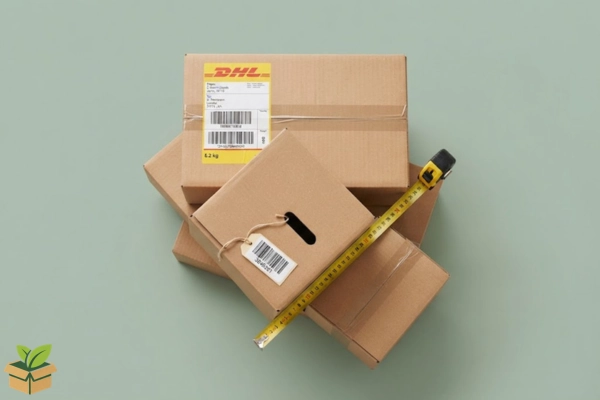
Dimensional weight pricing means carriers calculate shipping charges using length × width × height, then compare that to actual weight — whichever number is higher determines your cost. A slightly oversized box for a small item can double your shipping fee without you even realizing it.
If you’re unsure how to match box dimensions to your products, our detailed post on how to choose the right box size for e-commerce shipping breaks this down step-by-step, including sizing charts for common product categories.
Lightweight Packaging Materials That Still Protect
Weight is money in the shipping world. Swapping heavy filler materials for lightweight packaging materials like air pillows or crumpled kraft paper can shave grams off every parcel — and across thousands of shipments, that adds up fast. Bubble wrap alternatives, poly mailers, and padded envelopes are excellent choices for items that don’t need rigid protection.
For sellers who still need cushioning without the bulk, a lightweight option like bubble wrap roll offers reliable protection at a fraction of the weight of foam-based alternatives.
💰 Cost-Effective Packaging Solutions for Small Businesses
Small and growing e-commerce sellers often assume that saving money on packaging means buying in bulk from unreliable sources — but that approach usually backfires through inconsistent quality and hidden defects. Custom packaging for small business doesn’t require massive upfront investment; it requires the right supplier relationship and smart order quantities.
Negotiating bulk packaging discounts with a trusted supplier is one of the most underrated cost-saving strategies. Ordering three months’ worth of boxes and mailers at once, instead of restocking weekly, typically unlocks better per-unit pricing and reduces the emergency “rush order” premiums many sellers pay without noticing.
If you’re still evaluating vendors, our guide on how to choose the right packaging supplier in Pakistan covers exactly what to look for — from minimum order quantities to material consistency.
It’s also worth avoiding common pitfalls that quietly inflate costs. Many new sellers make the same mistakes repeatedly: over-packaging fragile-looking items that aren’t actually fragile, using premium materials for low-value products, or failing to standardize box sizes across their catalog. Our breakdown of common packaging mistakes small businesses make is a useful checklist before you place your next bulk order.
🚚 Shipping Strategy: Carriers, Rates, and Smart Choices
Packaging and shipping strategy go hand in hand. Even the most optimized box won’t save you money if you’re stuck with a single carrier charging above-market rates. Comparing carrier shipping rates across USPS, FedEx, UPS, and regional carriers — or in Pakistan’s context, services like TCS, Leopards, and DHL — can reveal significant savings depending on package size, destination, and delivery speed required.
A multi-carrier shipping strategy gives you flexibility. Lightweight, low-value domestic orders might go through a regional carrier at flat rates, while international or high-value shipments might justify DHL’s reliability and tracking features. If you frequently ship internationally, it’s worth understanding exactly what you need to know about DHL shipping boxes before your next batch order — sizing and weight limits directly affect your final cost.
Here’s a quick comparison of common packaging materials and where they perform best:
| Packaging Type | Best For | Cost Impact |
|---|---|---|
| Corrugated boxes | Heavier, fragile items | Moderate cost, high protection |
| Poly mailers | Clothing, soft goods | Very low cost, lightweight |
| Padded envelopes | Small electronics, documents | Low-moderate cost |
| Kraft paper pouches | Eco-conscious brands | Low cost, biodegradable |
Freight consolidation is another strategy worth exploring if you ship in bulk to the same regions regularly. Combining multiple smaller shipments into one larger freight load — often through third-party logistics (3PL) partners — reduces the per-unit shipping cost significantly and improves order fulfillment speed for customers.
🌱 Sustainable Packaging: Save Money While Saving the Planet
Here’s something many sellers don’t expect: sustainable packaging for online stores often costs less than traditional alternatives once you account for material weight and shipping efficiency. Biodegradable mailers and kraft-based boxes tend to be lighter than plastic-heavy packaging, which directly reduces dimensional weight charges.
Beyond cost, eco-friendly mailers and recyclable packaging materials are increasingly what customers expect. A growing number of shoppers actively choose brands that demonstrate environmental responsibility, making sustainable packaging a smart brand investment alongside a cost-saving one.
If you’re exploring the shift, our article on what eco-friendly packaging is and why it matters in Pakistan explains the basics clearly, while our comparison of biodegradable vs compostable packaging helps you pick the right material for your specific product line.
Making the full transition doesn’t have to happen overnight. Many successful sellers phase it in gradually — starting with mailers, then moving to boxes, then void fill. Our practical roadmap on how to switch your business to eco-friendly packaging walks through exactly this kind of phased approach.
⚙️ Packaging Optimization Tips You Can Apply Today
Packaging optimization is really about removing friction and waste from your process, one small decision at a time. You don’t need expensive automation software to start seeing results — most improvements come from simple operational discipline.
A few high-impact changes worth implementing immediately:
- Standardize box sizes into 3–5 categories instead of using dozens of variations
- Weigh and measure your top-selling products to pre-select the ideal box for each
- Reduce void fill by right-sizing boxes instead of adding extra cushioning
- Train packing staff on consistent, repeatable packing methods
- Reassess your packaging supplier pricing every six months
Packaging standardization might sound like a small operational tweak, but it compounds quickly across hundreds or thousands of monthly orders. When your team knows exactly which box goes with which product category, packing time drops, mistakes drop, and material waste drops right along with it.
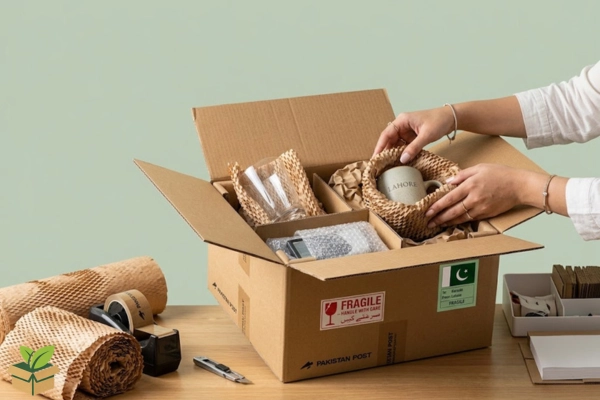
For sellers shipping delicate items — glassware, electronics, or cosmetics — getting the cushioning right without over-packaging is a genuine skill. Our guide on how to pack fragile items for shipping in Pakistan offers specific techniques that protect products while keeping package weight in check.
📉 Reducing Packaging Waste and Return Shipping Costs
Reduce packaging waste isn’t just an environmental talking point — it’s a direct line item on your expense sheet. Every unnecessary layer of plastic, every oversized box, and every excess strip of tape represents money spent that didn’t need to be.
Return shipping deserves special attention here too. Return shipping cost reduction starts with getting the packaging right the first time — accurate sizing information, clear product photos, and secure packaging all reduce the likelihood of damage-related returns, which are often the most expensive kind to process.
The customer unboxing experience also plays a subtle role in reducing returns. When packaging feels intentional and well-designed rather than thrown together, customers perceive higher product value, which correlates with fewer “changed my mind” returns. It’s a small psychological detail, but it consistently shows up in seller data.
Packaging trends are shifting quickly across Pakistan’s e-commerce space, with more brands investing in brand packaging strategy as a differentiator rather than treating packaging as pure logistics. If you want to stay ahead of what’s changing in the market, our roundup of current packaging trends in Pakistan is worth a read.
🧾 A Practical Example: Small Seller, Big Savings
Consider a small online clothing seller shipping around 200 parcels a month. Originally using one oversized box size for every order, they were paying dimensional weight charges on nearly 60% of shipments — even for lightweight t-shirts that could easily fit a poly mailer.
After switching to a mix of poly mailers for soft goods and two standardized box sizes for bundled orders, their average shipping cost per parcel dropped noticeably within the first month. Combined with a renegotiated bulk rate on packaging materials and a switch to a lighter void fill option, their total monthly packaging and shipping spend fell by a meaningful margin — without changing a single thing about product quality or delivery speed.
This is the real power of treating packaging as a strategic function rather than an operational afterthought. Small, deliberate changes compound into significant savings over time.
✅ Conclusion: Smarter Packaging, Lower Shipping Bills
Reducing shipping costs isn’t about finding one magic trick — it’s about stacking small, smart decisions across box sizing, material selection, carrier strategy, and waste reduction. E-commerce packaging sits at the center of nearly every cost lever available to online sellers, which is exactly why it deserves more attention than most businesses give it.
Start with the basics: measure your products, right-size your boxes, and compare your carrier rates. From there, layer in sustainable materials and standardized processes. The sellers who consistently keep shipping costs under control aren’t cutting corners — they’re simply paying attention to details everyone else overlooks.
If you’re ready to put these strategies into action, explore our full shop of e-commerce packaging solutions — from right-sized boxes to lightweight protective materials — designed to help Pakistani online sellers ship smarter and spend less. For more practical guides like this one, browse our packaging blog for ongoing tips tailored to your business.
❓ Frequently Asked Questions
1. What is the easiest way to reduce e-commerce shipping costs? Right-sizing your boxes is the fastest win. Matching box dimensions closely to product size reduces dimensional weight charges and material costs simultaneously.
2. Are eco-friendly packaging materials more expensive? Not necessarily. Many sustainable options like kraft mailers and biodegradable pouches are lighter than plastic alternatives, which can actually lower shipping costs while improving brand image.
3. How does dimensional weight pricing affect small businesses? Carriers charge based on package volume, not just weight. An oversized box for a lightweight item can result in significantly higher charges than the product’s actual weight would suggest.
4. Should small businesses use one carrier or multiple carriers? A multi-carrier approach usually works best. Comparing rates across carriers for different order types (domestic vs. international, lightweight vs. bulky) helps you consistently get the best available rate.
5. How can packaging reduce return shipping costs? Secure, well-sized packaging reduces damage during transit, which lowers damage-related returns. A better unboxing experience also reduces “changed my mind” returns tied to perceived product value.




















(0) Comments