

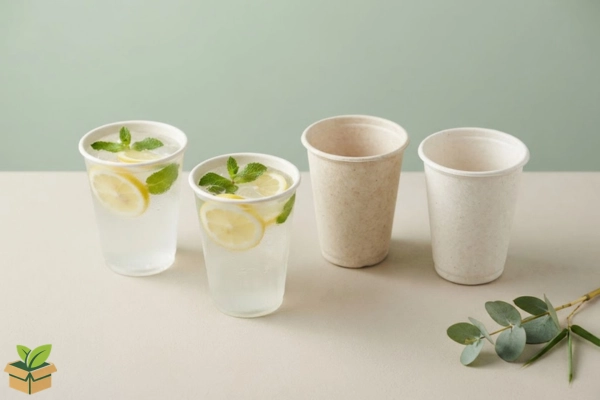
Eco-Friendly Disposable Glasses: Are They Available? Here’s the Real Answer
If you’ve ever hosted an event and felt guilty about the mountain of plastic cups left behind, you’re not alone. That guilt is exactly why so many people now search for eco-friendly disposable glasses before planning their next gathering. The good news is that these glasses are not just a trend or a marketing buzzword — they’re a real, accessible, and growing category of drinkware that’s changing how Pakistani households, restaurants, and event planners think about convenience. In this guide, we’ll walk through what these glasses actually are, whether they’re genuinely available in the local market, how they compare to plastic, and where you can buy them without hassle.
🌍 What Are Eco-Friendly Disposable Glasses?
At their core, eco-friendly disposable glasses are single-use drinkware made from materials that break down naturally instead of sitting in a landfill for centuries. Unlike traditional plastic cups, which are derived from petroleum and take hundreds of years to degrade, these glasses rely on renewable or biodegradable materials that return to the earth far more quickly.
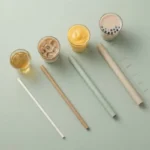
This category includes several material types, each with its own strengths. PLA (polylactic acid) cups are made from fermented plant starch, usually corn, and offer a clear, glass-like appearance that many people don’t even realize is compostable. Bagasse cups, made from sugarcane fiber left over after juice extraction, are sturdier and better suited for hot beverages. Then there are bamboo disposable cups and corn starch cups, both prized for their strength and lower environmental footprint during manufacturing.
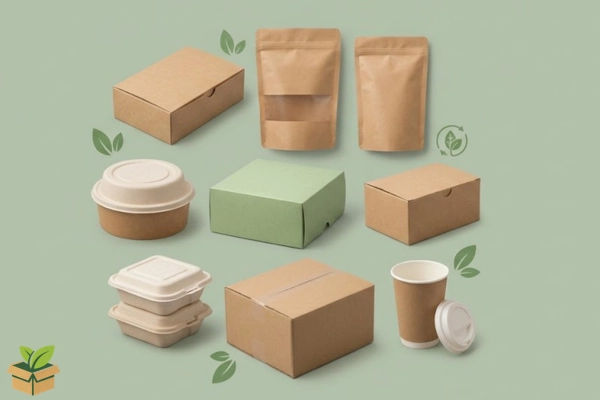
If you’re curious about the broader shift happening across the packaging industry, our detailed breakdown of what eco-friendly packaging actually means and why it matters is a great place to understand the bigger picture before diving into glasses specifically.
🔍 Are Eco-Friendly Disposable Glasses Available? Yes — Here’s Proof
This is the question most people actually want answered, and the short response is: absolutely, yes. Eco-friendly disposable glasses are widely available today, both through specialized packaging suppliers and general online marketplaces. What used to be a niche product reserved for high-end eco-conscious events has now become mainstream, largely because manufacturing costs for biodegradable materials have dropped significantly over the past few years.
In Pakistan specifically, demand has surged alongside growing awareness of plastic pollution. Restaurants, wedding planners, and even everyday households are actively seeking sustainable disposable cups that don’t compromise on presentation. You’ll find these products stocked by packaging companies, sold through e-commerce platforms, and increasingly offered as default options by catering services that want to position themselves as environmentally responsible.
Where to Buy Eco-Friendly Disposable Glasses Online
Finding a reliable source matters just as much as knowing the product exists. When you’re shopping for eco-friendly disposable glasses online, look for suppliers who specialize in food-grade, certified materials rather than generic “green-washed” products that only claim sustainability without proof.
You can browse a dedicated collection of disposable glass options to compare sizes and materials side by side, which makes it easier to pick the right fit for your event or business needs. For those who need something sturdier for cold beverages, the 22oz injection glass is a popular choice among caterers and party planners alike.
♻️ What Are Eco-Friendly Disposable Glasses Made Of?
Understanding the materials helps you make a smarter purchase, especially since not every “eco” label means the same thing. Here’s a simple breakdown of the most common materials used in this category, along with how they typically perform.
| Material | Source | Best For | Decomposition Time |
|---|---|---|---|
| PLA (Polylactic Acid) | Corn starch / plant sugars | Cold drinks, clear cups | 3–6 months (industrial composting) |
| Bagasse | Sugarcane fiber waste | Hot & cold beverages | 60–90 days |
| Bamboo Fiber | Bamboo pulp | Sturdy, reusable-feel cups | 4–6 months |
| Recycled Paper | Post-consumer paper | Lightweight, casual use | 2–5 weeks |
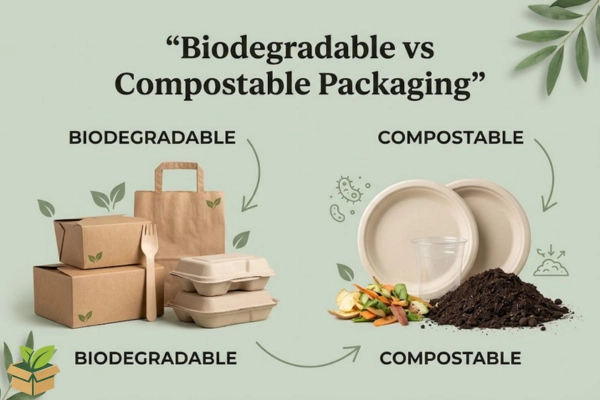
As you can see, decomposition speed varies quite a bit depending on the material and disposal conditions. This is exactly why understanding the biodegradation process matters before assuming every eco cup behaves the same way once it’s thrown away. For a deeper comparison of terms often used interchangeably, our guide on biodegradable versus compostable packaging clears up a lot of common confusion.
⚖️ Eco-Friendly Glasses vs Plastic Glasses: What Actually Changes?
It’s a fair question — if plastic glasses are cheaper and more widely available, why switch at all? The answer lies in long-term impact rather than short-term convenience. Plastic cups are undeniably cost-effective upfront, but they contribute to a growing global waste crisis, since most end up in landfills or oceans rather than recycling facilities.
Eco-friendly disposable glasses, by contrast, break down naturally and don’t rely on fossil fuels for production. They also tend to align better with the values of eco-conscious consumers, who increasingly choose brands and vendors based on environmental responsibility rather than price alone. If you’re weighing this decision for a business, our comparison of disposable versus reusable glass options walks through the practical trade-offs in far more detail.
That said, eco-friendly options aren’t automatically perfect either — some require industrial composting facilities to break down properly, which aren’t available everywhere. This makes it important to choose products designed for your actual disposal environment rather than assuming “biodegradable” means “disappears anywhere.”
🎉 Practical Uses: Parties, Weddings, and Everyday Events
Eco-friendly disposable glasses aren’t just a sustainability statement — they genuinely work well in real-world settings. For eco-friendly party glasses, hosts appreciate how these cups combine a premium look with guilt-free disposal, especially for outdoor gatherings, birthday celebrations, and casual get-togethers where cleanup speed matters.
Weddings present a slightly different challenge, since presentation and guest experience are top priorities. Many couples now specifically request eco-friendly disposable glasses for weddings to align their celebration with modern sustainability expectations without sacrificing elegance. If you’re planning a wedding and want practical guidance on selecting the right disposable drinkware, our complete guide to disposable glasses for weddings covers everything from sizing to bulk ordering.
Restaurants and cafes benefit too, particularly for takeaway orders and outdoor seating areas where durability under real conditions matters more than aesthetics alone.
🌱 Environmental Impact and the Biodegradation Process
Switching to sustainable drinkware isn’t just about feeling good — it has measurable environmental benefits. Traditional plastic cups contribute directly to the global plastic waste problem, much of which ends up polluting waterways and harming marine life. Eco-friendly alternatives reduce this burden by relying on renewable resources and breaking down through natural biological processes rather than persisting indefinitely.
The carbon footprint reduction associated with plant-based materials is also worth noting. Producing PLA or bagasse cups typically requires less energy and generates fewer greenhouse gas emissions compared to petroleum-based plastic manufacturing. This is part of a much larger shift toward sustainable packaging solutions across Pakistan’s food and hospitality sectors, something we explore further in our article on why sustainable food packaging matters for Pakistani businesses.
It’s worth being realistic, though — biodegradation still depends heavily on proper disposal conditions. A compostable cup thrown into a regular landfill without oxygen and moisture won’t decompose as quickly as one sent to an industrial composting facility.
💰 Cost of Eco-Friendly Disposable Glasses
Pricing is often the deciding factor for businesses and event planners, and it’s a completely valid concern. Eco-friendly disposable glasses generally cost somewhat more than standard plastic cups, primarily because raw materials like corn starch or sugarcane fiber involve more complex processing than petroleum-based plastic.
That price gap, however, has been narrowing steadily as demand increases and manufacturing scales up. Many suppliers now offer bulk pricing that makes eco-friendly options far more competitive for large events like weddings or corporate functions. If cost planning is your main concern before switching, our breakdown of how disposable glasses affect overall event costs offers realistic numbers and budgeting tips based on real event scenarios.
For businesses thinking beyond a single event, transitioning permanently to sustainable packaging can also open doors to marketing advantages, since customers increasingly favor brands that visibly reduce plastic use.
🏆 Choosing the Best Eco-Friendly Disposable Glasses
With so many options on the market, picking the right product comes down to a few practical checks rather than guesswork. First, confirm the material actually matches your use case — PLA cups look elegant but aren’t ideal for hot drinks, while bagasse handles heat far better.
Second, check for genuine certifications rather than vague “eco” labeling, since greenwashing is unfortunately common in this space. Third, consider your disposal environment; if industrial composting isn’t accessible in your area, prioritize materials that decompose reasonably well even under standard conditions.
- Look for food-grade certification on the packaging
- Match cup material to beverage temperature (hot vs cold)
- Buy in bulk from established suppliers to reduce per-unit cost
- Prioritize suppliers offering both size variety and material transparency
For businesses specifically exploring a full transition rather than a one-time purchase, our practical guide on how to switch your business to eco-friendly packaging breaks down the process step-by-step, from supplier selection to customer communication.
✅ Why the Switch Is Worth It
Beyond the environmental angle, there are genuinely practical reasons businesses and households are making this shift. Eco-friendly disposable glasses offer strong marketing value, appeal directly to eco-conscious consumers, and increasingly qualify businesses for green certifications that improve brand reputation.
- Reduces long-term plastic waste and landfill burden
- Appeals to environmentally conscious customers and guests
- Often performs comparably to plastic in durability and presentation
- Supports Pakistan’s growing shift toward plastic-free alternatives
🎯 Final Thoughts
So, are eco-friendly disposable glasses available? Without question, yes — and not just as a niche product, but as a mainstream, accessible option for anyone willing to look beyond traditional plastic. Whether you’re planning a wedding, running a restaurant, or simply hosting a family gathering, sustainable drinkware has matured to the point where quality, affordability, and environmental responsibility no longer have to compete against each other.
The transition doesn’t need to happen overnight either. Start with one event, one order, or one product line, and build from there as you see how well these materials perform in your specific setting.
If you’re ready to make the switch, explore our full eco-friendly disposable glass collection and find the right size and material for your next event or business need.
❓ Frequently Asked Questions
What are eco-friendly disposable glasses made of? They’re typically made from plant-based materials like corn starch (PLA), sugarcane fiber (bagasse), bamboo pulp, or recycled paper, all of which break down naturally over time.
Are biodegradable cups better than plastic? Yes, in terms of long-term environmental impact. Biodegradable cups decompose within months rather than centuries and require fewer fossil-fuel resources to produce.
How long do biodegradable glasses take to decompose? Decomposition time varies by material, ranging from a few weeks for recycled paper to several months for PLA or bamboo fiber, depending on disposal conditions.
Where can I buy eco-friendly disposable glasses online in Pakistan? Specialized packaging suppliers and dedicated e-commerce collections, like Eco Packaging’s disposable glass range, offer certified, food-grade options in various sizes.
Are eco-friendly disposable glasses more expensive than plastic ones? They’re generally priced slightly higher due to material processing costs, though bulk ordering significantly narrows this price gap for events and businesses.
Can eco-friendly disposable glasses be used for hot beverages? Yes, particularly bagasse and bamboo-based cups, which handle heat better than PLA options designed primarily for cold drinks.










(0) Comments