

How to Choose the Right Straw Size for Your Drinks
Finding the right straw size for drinks isn’t as trivial as it sounds — anyone who’s ever tried sipping thick mango lassi through a thin coffee straw knows the frustration instantly. Whether you’re running a café, a juice bar, or simply restocking your kitchen drawer, the straw you pick directly affects how a drink feels, flows, and even tastes. This guide walks you through everything you need to know about how to choose the right straw size, from diameter and material to drink-specific recommendations, so you never hand out the wrong straw again.
🧠 Why Straw Size Actually Matters
It’s easy to assume all straws are interchangeable, but size genuinely changes the drinking experience. A straw that’s too narrow forces people to suck harder, which slows down consumption and can make smoothies or milkshakes feel like hard work. On the flip side, an oversized straw in a thin drink like iced tea or soda often causes spills, air gaps, and that annoying “slurping air” sound.
For businesses, this isn’t just a comfort issue — it’s a brand experience issue. Customers notice when a café serves bubble tea with a straw too thin to pull up the tapioca pearls, or when a bar hands out a jumbo cocktail straw for a simple soda. Choosing the correct straw size signals attention to detail, and that detail builds trust. If you’re also rethinking your overall drink service setup, our complete guide to disposable coffee cups for cafes pairs well with this straw-sizing conversation since cups and straws usually need to be matched together.
📏 Understanding Straw Diameter, Length & Thickness
Before diving into specific drink types, it helps to understand the three dimensions that define any straw: diameter, length, and wall thickness.
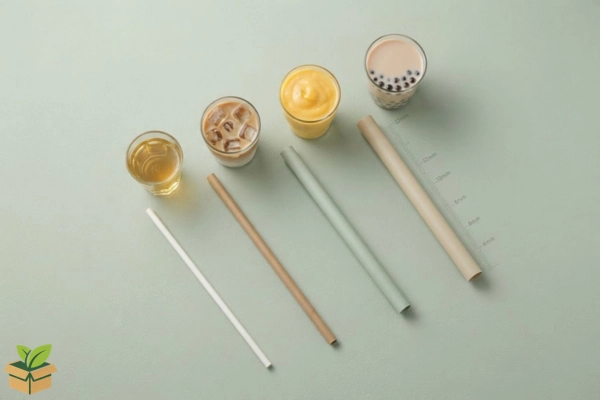
Straw diameter is the single most important factor. It determines how much liquid (or solid bits like boba pearls) can pass through per sip. A narrow straw diameter, usually around 6mm, works beautifully for thin liquids like water, soda, or iced tea. Move up to 8mm and you’re in the sweet spot for juices, lemonade, and most everyday drinks. Anything above 10mm starts entering smoothie and milkshake territory, while the largest straws — often called jumbo straws — exceed 12-14mm and are built specifically for bubble tea and thick blended drinks.
Straw length matters more than people expect too. A standard straw length works fine for a regular glass or cup, but tall mason jars, large tumblers, or oversized smoothie cups need longer straws so the tip doesn’t sink below reach. Meanwhile, straw thickness (the wall of the straw itself) affects durability — thicker walls hold their shape better in hot drinks and resist collapsing when people bite down on them absentmindedly.
Here’s a quick visual breakdown to make size selection effortless:
📊 Straw Diameter Chart (Quick Reference)
| Straw Diameter | Best For | Common Straw Type |
|---|---|---|
| 4–6mm | Water, soda, iced tea, juice boxes | Standard straws, paper straws |
| 7–9mm | Lemonade, cocktails, iced coffee | Bar straws, 8mm plastic straws |
| 10–12mm | Smoothies, milkshakes | Wide straws, thick-drink straws |
| 13mm+ | Bubble tea, boba drinks | Jumbo straws, 14mm plastic straws |
This straw diameter chart is a solid starting point, but the real answer depends heavily on what you’re serving — which brings us to the next section.
🧃 Straw Size Guide by Drink Type
Every drink category genuinely behaves differently once a straw is involved, so building a mental straw size guide for your most common drinks saves a lot of trial and error.
For bubble tea and boba drinks, the straw needs to be wide enough to pull whole tapioca pearls through without clogging — this is exactly what size straw for bubble tea questions usually point to, and the answer is almost always a jumbo straw around 12-14mm.
For smoothies and milkshakes, you want something close to that same range, though slightly less extreme. A 10-12mm wide straw handles thick, blended textures without requiring a workout to sip.
For iced coffee and cocktails, straw size for iced coffee typically sits in the 8-9mm range — wide enough for ice cubes to not block flow, but not so wide that the drink feels thin. Cocktail straws tend to be shorter and narrower since they’re often paired with garnishes and smaller glassware. If you’re building out a full bar setup, our disposable glass vs reusable glass comparison is worth reading alongside this.
For juice boxes and soda, a standard 6mm straw works perfectly, which is why most packaged juice boxes already come with these built in.
Here’s the pattern worth remembering: the thicker the drink, the wider the straw needs to be. It’s a simple rule, but it solves 90% of straw-size confusion instantly.
🌱 Material Matters: Choosing the Correct Straw Beyond Size
Size is only half the equation — material plays an equally important role in choosing the correct straw for your drinks and your business values.
Plastic straws remain popular for their rigidity and consistent diameter, especially for thicker drinks that need structural support. Paper straws, on the other hand, have become the go-to eco-friendly straw option for cafés and juice bars that want to reduce plastic waste without sacrificing function — though they do soften faster in very hot drinks. Metal straws and stainless steel straws are excellent for reusable setups at home or in premium dine-in restaurants, offering durability that outlasts dozens of plastic alternatives. Silicone straws add flexibility and are often chosen for comfort-focused use cases, like children’s drinkware.
If sustainability is a priority for your business, our detailed breakdown on paper vs plastic coffee straws covers the environmental trade-offs in depth, and our wider piece on biodegradable vs compostable packaging explains how straw choices fit into a bigger eco-packaging strategy.
A quick but important distinction worth remembering:
- Disposable straws suit high-volume, single-use environments like fast food counters and takeaway drinks.
- Reusable straws work better for sit-down cafés, home use, or brands building a sustainability-focused identity.
☕ Matching Straws to Specific Drink Categories
Let’s get specific, because different drink categories genuinely need their own straw logic.
Coffee and iced coffee drinks usually pair best with straws between 7-9mm, offering enough width for ice without feeling flimsy. If you’re also refining your café’s overall cup strategy, how to choose the right coffee cup size for your café is a natural next read since cup and straw sizing often get decided together.
Smoothie and milkshake drinks demand straws that won’t collapse under thicker textures — this is where wide straws and jumbo straws genuinely earn their place. For businesses serving frozen treats alongside drinks, our guide on choosing the right ice cream cup size complements this nicely.
Cocktails and bar drinks typically use shorter, narrower straws designed more for stirring and light sipping than heavy consumption. Pairing the right straw with the right glass — whether it’s a standard injection glass or a disposable option — rounds out the full bar presentation.
Bubble tea and boba drinks, as mentioned earlier, are the clear exception to “standard” sizing and almost always require the widest straws available on the market.
♻️ Eco-Friendly Straw Options Worth Considering
Sustainability has shifted from a “nice to have” to an expectation, especially across Pakistan’s growing eco-conscious food and beverage market. Businesses switching to eco-friendly straws aren’t just following a trend — they’re responding to real customer preference shifts.
Compostable and biodegradable straws now come in nearly every size category, meaning you don’t have to compromise on function to make a sustainable choice. Paper straws handle thin-to-medium drinks well, while compostable wide straws are increasingly available for smoothies and even bubble tea. If you’re exploring a broader shift toward sustainable packaging across your whole menu, our resource on how eco packaging is growing in Pakistan offers useful context on where the market is heading.
🛒 Practical Tips for Choosing Straws for Your Business
If you’re sourcing straws at scale rather than for personal use, a few extra considerations come into play.
- Match straw size to your most popular drink, not your least popular one — this avoids over-ordering niche sizes.
- Stock two or three core sizes (standard, wide, jumbo) rather than one-size-fits-all, since mixed drink menus rarely work with a single diameter.
- Consider material based on serving environment — dine-in favors reusable options, while takeaway leans disposable.
- Test comfort, not just function — ask staff or regular customers which straw feels best with your signature drinks.
These small decisions add up to a smoother customer experience and fewer complaints about straws that just don’t “work” with a drink.
💡 Final Thoughts
Choosing the right straw size for drinks really comes down to understanding one simple relationship: thickness of the drink versus width of the straw. Once that clicks, decisions about bubble tea, smoothies, cocktails, or everyday soda become second nature rather than guesswork. Add material choice and sustainability goals into the mix, and you’ve got a complete straw strategy that works for both comfort and brand image.
If you’re ready to put this straw size guide into practice, explore our full range of coffee straws and drink straws to find the exact diameter and material that fits your menu — your customers will notice the difference with every sip.
❓ Frequently Asked Questions
What size straw is best for bubble tea? Bubble tea needs a jumbo straw, typically 12-14mm in diameter, wide enough to pull whole tapioca pearls through without clogging.
What size straw works best for smoothies? A wide straw between 10-12mm handles thick, blended smoothie textures without requiring excessive sucking effort.
What is the standard drinking straw size in mm? Standard straws typically measure between 6-8mm in diameter, suitable for water, soda, juice, and iced tea.
What straw size is best for iced coffee? Iced coffee pairs well with 7-9mm straws, offering enough width to accommodate ice cubes while maintaining flow.
Should I choose disposable or reusable straws? Disposable straws suit high-volume takeaway service, while reusable straws (metal, silicone, glass) work better for dine-in or home use focused on sustainability.
What straw size fits juice boxes best? Juice boxes typically use narrow straws around 4-6mm, matching the thin opening and liquid consistency of boxed juice.





















(0) Comments