

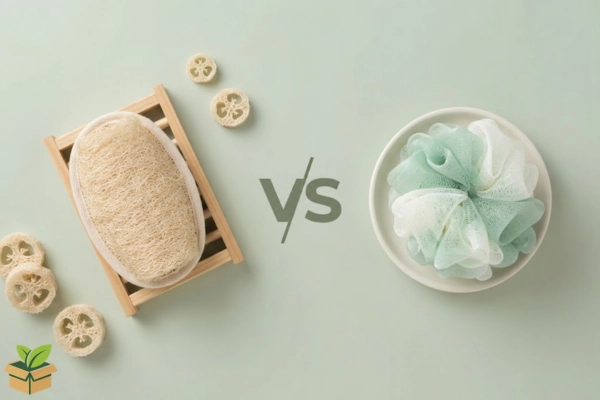
Natural Loofah vs Synthetic Scrubber: Which Is Better for Your Skin?
Choosing between a natural loofah vs synthetic scrubber is one of those small decisions that quietly affects your skin, your bathroom hygiene, and even the environment. Most people grab whatever’s sitting on the store shelf without thinking twice — but once you understand what each material actually does to your skin (and to the planet), the choice becomes a lot clearer.
In this guide, we’ll break down everything from texture and exfoliation power to bacterial growth, durability, and eco-impact, so you can finally settle the loofah vs synthetic sponge debate for good.
🌿 What Is a Natural Loofah, Exactly?
A natural loofah isn’t actually a sea creature, despite the common misconception. It’s grown from the Luffa plant, a vine related to cucumbers, and once dried and processed, its fibrous interior becomes a naturally textured scrubbing tool.
This loofah plant fiber has been used for centuries across Asia and the Middle East, long before synthetic alternatives existed. What makes it special is its completely plant-based structure — no plastic, no synthetic dyes, and no petroleum-based materials involved anywhere in the process.
Because it’s made from organic plant fiber, a natural loofah also breaks down naturally after use, making it one of the more eco-friendly bathing products available today. If you’re curious about how these are made and sourced, our detailed breakdown on the natural loofah as an eco-friendly alternative to plastic scrubbers covers the full production journey.
🧽 What Is a Synthetic Scrubber?
A synthetic scrubber, on the other hand, is manufactured from plastic-derived materials like nylon or polyester mesh. These are the puffy, colorful pouf-style sponges you often see hanging in shower stalls, and their synthetic mesh sponge design creates lots of surface area for lathering soap quickly.
Synthetic scrubbers were originally designed to be a cheaper, mass-producible alternative to natural fibers. They’re lightweight, dry relatively fast, and come in an endless variety of colors and textures. However, being entirely plastic-based bath products, they don’t break down after disposal — they simply sit in landfills for decades, sometimes centuries.
This is where the real difference between natural loofah benefits and synthetic convenience starts to show.
🔍 Natural Loofah vs Synthetic Scrubber: Key Differences
When you place these two side by side, the differences go far beyond just texture. Let’s unpack the core comparison points that actually matter for your skin and daily routine.
Material & Origin
A natural loofah comes straight from a plant, requiring no artificial processing beyond drying and trimming. A synthetic scrubber, meanwhile, is created through industrial plastic extrusion — a process that consumes fossil fuels and contributes to plastic pollution long after the product’s short lifespan ends.
Texture & Exfoliation Power
Loofahs tend to have a naturally coarse, fibrous texture that’s excellent for dead skin removal and deep exfoliation. Synthetic scrubbers, by contrast, offer a softer, more uniform texture that’s gentler but less effective at removing rough patches or calluses.
Hygiene & Bacterial Growth
This is where things get interesting — and slightly concerning for synthetic sponge users. Because synthetic mesh retains moisture in tight loops, it creates a breeding ground for bacterial growth in sponges, especially in humid bathroom environments. Natural loofahs also need proper drying, but their open fiber structure allows for faster air circulation, reducing the same shower puff hygiene risks.
Durability
Synthetic scrubbers often last slightly longer in raw material terms, but they lose shape and effectiveness faster with regular use. Natural loofahs, when dried properly between uses, can maintain their exfoliating texture for weeks before needing replacement — and even then, they compost naturally instead of piling up as waste.
Environmental Impact
There’s really no contest here. A natural loofah decomposes within weeks in a compost environment, while a synthetic scrubber can persist in landfills for over 200 years. If sustainability is part of your buying decision, this single factor often settles the biodegradable sponge vs synthetic debate on its own.
📊 Quick Comparison Table
Here’s a side-by-side snapshot to make the loofah sponge vs shower puff comparison easier to digest at a glance.
| Feature | Natural Loofah | Synthetic Scrubber |
|---|---|---|
| Material Source | Luffa plant fiber | Plastic-based nylon/polyester |
| Exfoliation Strength | Coarse, deep exfoliating | Soft, mild exfoliating |
| Bacterial Risk | Lower with proper drying | Higher due to moisture retention |
| Biodegradability | Fully biodegradable | Non-biodegradable |
| Skin Sensitivity | Great for normal/thick skin | Better for sensitive skin |
| Average Lifespan | 3–4 weeks | 4–6 weeks |
| Cost | Slightly higher, reusable | Lower upfront, frequent replacement |
As the table shows, each option has clear strengths depending on what you prioritize — skin texture, hygiene, or eco-impact.
✅ Benefits of Natural Loofah You Shouldn’t Overlook
Beyond the obvious eco-friendly appeal, natural loofahs offer a few practical advantages that often get overlooked in casual bathroom shopping.
- They stimulate blood circulation more effectively thanks to their firmer fiber texture
- They naturally resist odor buildup when dried in open air after each use
- They pair beautifully with natural fiber skincare routines that avoid synthetic contact altogether
- They’re biodegradable, meaning zero long-term environmental guilt
If you’re specifically shopping for this category, our natural loofah product range includes several shapes and sizes — from the classic natural loofah sponge to more decorative options like the natural heart loofah scrubber and natural round loofah scrubber, which also make great self-care gifts.
⚖️ Synthetic Scrubber Pros and Cons
Synthetic scrubbers aren’t inherently bad — they just serve a different purpose depending on your skin type and priorities.
Where they win: They’re gentler on sensitive skin, dry faster in humid climates, and come at a lower upfront cost. For people managing skin sensitivity and scrubbers concerns, especially those with eczema or very thin skin, a soft synthetic pouf can feel more comfortable than coarse plant fiber.
Where they fall short: Beyond the environmental cost, synthetic scrubbers also tend to harbor more bacteria if not replaced frequently, and their manufacturing process contributes directly to microplastic pollution — something increasingly scrutinized as consumers shift toward sustainable bathing products.
🤔 Which Is Better: Loofah or Scrubber?
So, which is better — loofah or scrubber? The honest answer depends on your specific skin needs and values, but here’s a practical way to decide.
If your priority is deep exfoliation, sustainability, and reducing plastic waste, a natural loofah is the clear winner. It aligns with a broader shift many households are making toward eco-conscious personal hygiene products, similar to the growing preference for eco-friendly packaging over plastic-heavy alternatives across Pakistan.
If your priority is gentleness for sensitive skin and lower upfront cost, a synthetic scrubber might serve you better in the short term — though it comes with the tradeoff of more frequent replacement and higher long-term environmental cost.
For most people seeking the best body scrubber for skin that balances effectiveness with sustainability, natural loofah products consistently come out ahead — especially varieties like the natural oval loofah scrubber or the natural teardrop bath loofah, which are designed for comfortable everyday grip.
🧴 How to Care for Your Loofah or Scrubber Properly
Regardless of which one you choose, proper care extends the life of the product and reduces hygiene risks significantly.
- Rinse thoroughly after every use to remove soap residue and skin debris
- Hang it in a well-ventilated spot rather than leaving it in a closed, humid shower stall
- Replace natural loofahs every 3–4 weeks and synthetic scrubbers every 4–6 weeks
- Occasionally soak loofahs in diluted vinegar water to naturally disinfect them
These small habits make a noticeable difference in preventing mold and bacteria buildup, regardless of which material you’re using.
🌱 Why This Choice Matters Beyond the Bathroom
The debate around natural loofah vs synthetic scrubber actually mirrors a much bigger conversation happening across households and businesses in Pakistan right now — the shift toward biodegradable, planet-friendly everyday products. Just as restaurants are moving away from plastic containers toward biodegradable food packaging, households are making similar swaps in their personal care routines.
This growing awareness is part of why eco packaging is expanding rapidly across Pakistan, with consumers actively seeking alternatives to single-use plastic in every corner of daily life — from kitchen containers to bathroom essentials.
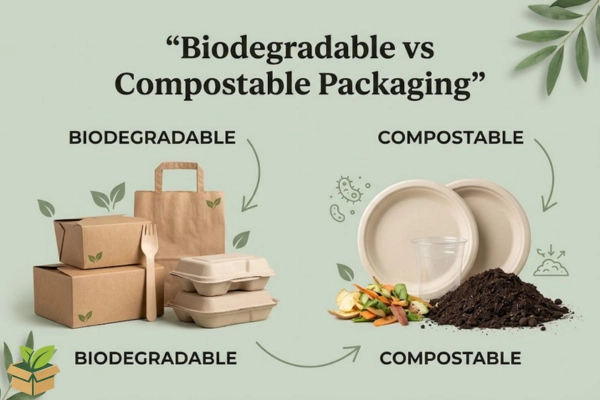
If you’re also curious about the bigger picture of biodegradable versus compostable materials, our detailed guide on biodegradable vs compostable packaging explains the technical differences in simple terms.
🎯 Final Verdict: Natural Loofah vs Synthetic Scrubber
At the end of the day, both products get you clean — but they don’t get you there the same way. Natural loofahs offer superior exfoliation, better biodegradability, and a lower long-term environmental footprint. Synthetic scrubbers offer gentleness and short-term affordability but come with hidden hygiene and sustainability tradeoffs.
For anyone serious about upgrading their self-care routine while reducing plastic dependency, natural loofah is the smarter long-term investment — for your skin and for the planet.
📞 Ready to Make the Switch?
Explore our complete range of eco-friendly, biodegradable loofah products designed for every skin type and bathroom aesthetic. Browse the Natural Loofah Collection today and take one small, sustainable step toward a plastic-free bathroom routine.
❓ Frequently Asked Questions
1. Is natural loofah better than synthetic scrubber for skin? Yes, natural loofah generally offers stronger exfoliation and lower bacterial risk when dried properly, making it a better long-term choice for most skin types except very sensitive skin.
2. How often should I replace my loofah or synthetic scrubber? Natural loofahs should be replaced every 3–4 weeks, while synthetic scrubbers can last slightly longer at 4–6 weeks, depending on usage frequency.
3. Do synthetic scrubbers cause more bacteria than natural loofahs? Synthetic scrubbers tend to trap moisture in their tight mesh loops, creating a higher risk of bacterial growth compared to naturally ventilated loofah fibers.
4. Which is more eco-friendly: loofah or synthetic sponge? Natural loofah is significantly more eco-friendly since it’s fully biodegradable, while synthetic sponges are plastic-based and can persist in landfills for decades.
5. Can sensitive skin use a natural loofah? Yes, but it’s recommended to use a softer natural loofah variety or limit usage frequency, as the coarse texture can be too intense for very delicate or irritated skin.
























(0) Comments