

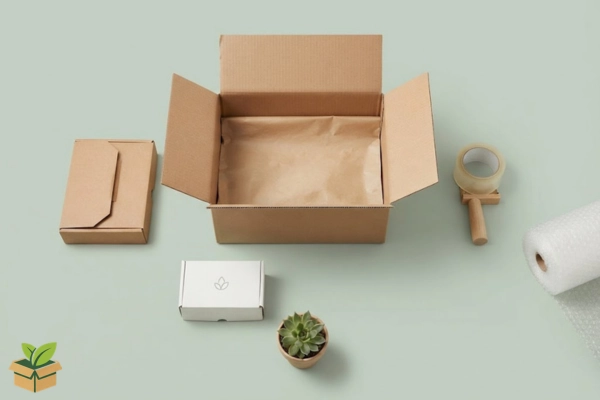
How to Choose the Right Packaging for Your Online Store: A Complete Guide
Choosing the right packaging for your online store is one of those decisions that quietly makes or breaks your ecommerce business. It’s not just a box you throw a product into before shipping — it’s the first physical touchpoint your customer has with your brand, and it directly affects everything from product safety to repeat purchases. Whether you’re running a small dropshipping setup or scaling a growing retail brand, the packaging you choose shapes how professional, trustworthy, and memorable your store feels. In this guide, we’ll walk through everything you need to know — from materials and sizing to branding, sustainability, and cost — so you can make a decision that actually works for your business.
📦 Why Packaging Matters More Than You Think
Most new sellers treat packaging as an afterthought, something to sort out once the product itself is ready. In reality, packaging plays three critical roles at once: it protects the product during transit, it communicates your brand identity, and it shapes the overall customer experience.
Think about the last time you ordered something online and it arrived in a flimsy, half-crushed box. Chances are, that experience colored your opinion of the brand — even if the product inside was perfectly fine. On the flip side, a sturdy, well-designed package with a thoughtful unboxing experience creates a small moment of delight that customers remember and often share on social media. That’s free marketing you don’t want to miss out on.
Packaging also affects your bottom line in less obvious ways. The wrong size box means wasted shipping costs and higher dimensional weight charges. The wrong material means more damaged goods and costly returns. In Pakistan’s fast-growing ecommerce space, sellers are increasingly realizing that packaging trends aren’t just cosmetic — they’re a competitive advantage.
🎯 Understanding Your Product’s Packaging Needs
Before you even look at box catalogs or supplier price lists, you need a clear picture of what your product actually requires. Packaging isn’t one-size-fits-all, and the right choice depends heavily on what you’re shipping, how fragile it is, and how far it needs to travel.
Product Type and Fragility
A skincare brand shipping glass bottles has very different needs than a clothing store shipping folded fabric. If you’re dealing with breakable or sensitive items, protective materials like bubble wrap, void fillers, and rigid boxes become non-negotiable. We’ve covered this in detail in our guide on how to pack fragile items for shipping, which walks through cushioning techniques that actually prevent damage claims.
If your online store sells food, cosmetics, or anything that touches consumables, you’ll also want packaging that meets safety standards — this is where choosing food-grade plastic containers becomes especially important.
Size, Weight, and Shipping Method
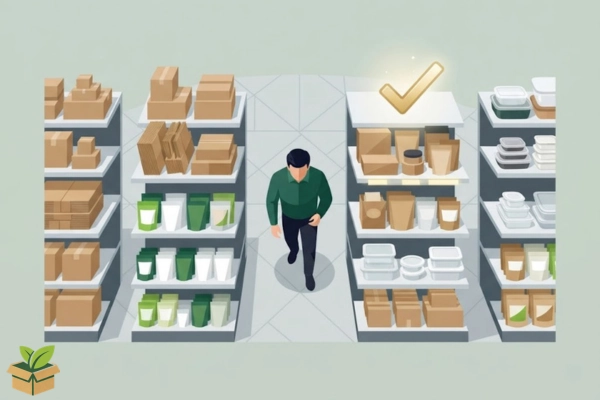
Larger or heavier products need packaging that can handle the load without collapsing, while lightweight items benefit from lighter mailer boxes or poly bags that keep shipping costs down. It’s worth mapping out your most commonly shipped product dimensions early, since this directly influences which box sizes you’ll need to stock regularly.
📐 Choosing the Right Box Size and Material
Once you understand your product’s needs, the next step is narrowing down the actual packaging format. This is where most sellers get stuck between too many options — corrugated boxes, mailer boxes, kraft boxes, poly bags — each with its own strengths.
Getting the size right matters more than people expect. A box that’s too large leaves room for the product to shift and get damaged, while also wasting money on void fillers and shipping fees. A box that’s too tight risks crushing your product or making it hard to seal properly. Our detailed breakdown on choosing the right box size for ecommerce shipping is a great starting point if you’re unsure where to begin.
For most general ecommerce shipments, standard corrugated boxes remain the most reliable choice thanks to their strength-to-weight ratio. If you’re shipping through couriers like DHL, it’s worth checking our guide on DHL shipping box requirements to avoid unexpected rejections or extra charges at drop-off.
Here’s a quick comparison to help you decide between common packaging materials:
| Material | Best For | Protection Level | Relative Cost |
|---|---|---|---|
| Corrugated boxes | General ecommerce products | High | Moderate |
| Mailer boxes | Clothing, small accessories | Medium | Low |
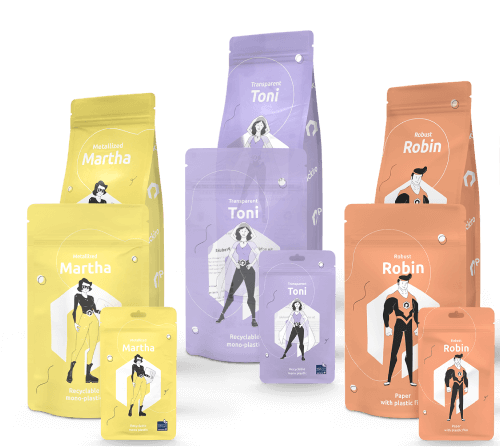
| Poly bags | Soft goods, non-fragile items | Low | Very Low |
| Rigid boxes | Premium/gift products | Very High | High |
| Kraft paper boxes | Eco-conscious brands | Medium-High | Moderate |
If you’re not sure which format fits your product catalog, browsing our ecommerce box collection can give you a practical sense of standard sizing options actually used by Pakistani online sellers.
🎨 Branding Your Packaging for Maximum Impact
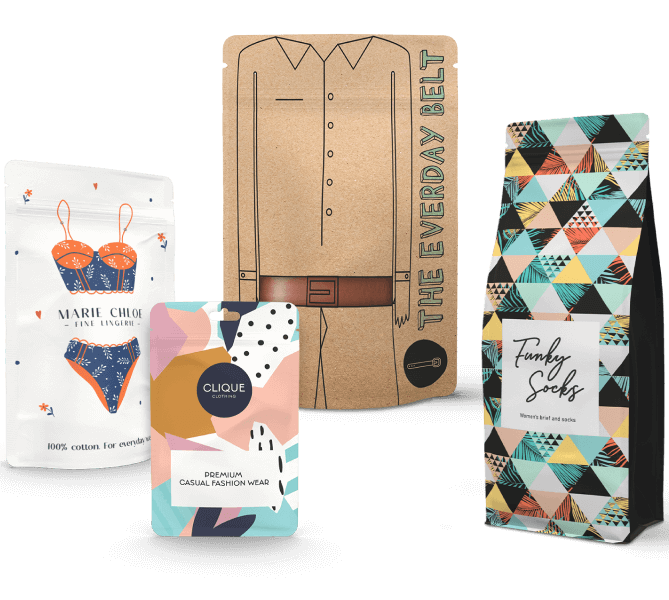
Once the functional side of packaging is sorted, branding is where you turn a plain box into a marketing asset. Custom logo printing, branded tape, and thoughtful interior design all contribute to what’s often called the “unboxing experience” — and in a market as visually driven as social media, that experience can genuinely drive word-of-mouth growth.
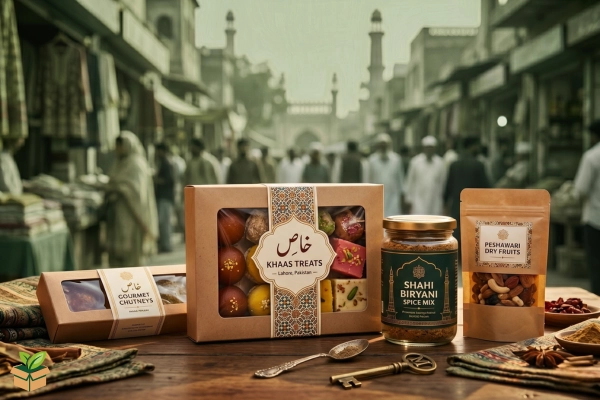
You don’t need a massive budget to start branding your packaging. Even something as simple as a printed thank-you card or a logo sticker on plain kraft boxes can make an impression. For sellers offering premium or gifting products, investing in custom printed tin boxes or similarly elevated packaging formats can justify higher price points and strengthen perceived value.
The key is consistency. Your packaging should visually echo your website, your social media presence, and your product photography. When customers instantly recognize your brand from the packaging alone, you’ve built something far more valuable than a single sale — you’ve built brand recall.
🌱 Why Sustainable Packaging Is the Future
Sustainability in packaging has moved from being a nice-to-have to something customers actively expect, especially among younger, environmentally conscious shoppers. Choosing eco-friendly packaging doesn’t just help the planet — it also positions your brand as forward-thinking and responsible, which increasingly influences purchase decisions.
Practical Eco-Friendly Options
Materials like kraft paper, biodegradable poly bags, and recyclable corrugated boxes offer strong protection while significantly reducing environmental impact. If you’re new to this space, our guide on what eco-friendly packaging actually means breaks down the terminology so you can make informed choices rather than falling for greenwashed marketing claims.
It’s also worth understanding the difference between biodegradable and compostable materials, since the two terms get used interchangeably but mean very different things for how the packaging breaks down after disposal — our comparison on biodegradable vs compostable packaging clears this up clearly.
Switching your entire packaging line to sustainable materials doesn’t have to happen overnight. Many successful Pakistani ecommerce brands have transitioned gradually, starting with their highest-volume product lines. If this sounds like your situation, our step-by-step guide on how to switch your business to eco-friendly packaging offers a realistic roadmap.
💰 Balancing Cost and Quality
Every packaging decision eventually comes down to budget. It’s tempting to choose the cheapest option available, but packaging that’s too thin or poorly made often costs more in the long run through damaged shipments, refunds, and unhappy customers leaving negative reviews.
A smarter approach is thinking in terms of cost-per-protected-shipment rather than just unit price. A slightly more expensive box that eliminates damage claims almost always pays for itself. Buying in bulk from a reliable supplier also brings costs down significantly compared to purchasing small batches repeatedly.
Speaking of suppliers, this relationship matters more than most sellers realize. A good packaging supplier doesn’t just sell boxes — they help you troubleshoot sizing issues, suggest better materials for your specific products, and keep you stocked during high-demand seasons. Our guide on choosing the right packaging supplier in Pakistan covers exactly what to look for before committing to a long-term partnership.
🚚 Packaging for Safe Shipping and Delivery
No matter how attractive your packaging looks, it has failed its main job if the product arrives damaged. Shipping conditions in Pakistan can be unpredictable — packages get stacked, thrown, and handled roughly across multiple courier touchpoints before reaching the customer’s door.
This is where internal cushioning becomes just as important as the outer box itself. Bubble wrap, air pillows, kraft paper filling, and properly sized inserts all work together to keep products stable during movement. For anything remotely fragile, doubling up on protection is always cheaper than dealing with a damage claim and reshipment.
If you’re shipping larger volumes or heavier items regularly, it’s worth reviewing courier-specific packaging requirements as well, since different services have different size and weight thresholds that affect both pricing and acceptance.
🏪 Packaging Tips by Business Type
Different business models naturally lean toward different packaging strategies:
- Small businesses and startups often benefit most from simple, cost-effective kraft boxes with minimal branding investment upfront, scaling design complexity as revenue grows.
- Dropshipping stores typically have less control over packaging since suppliers handle fulfillment, making it worth negotiating branded inserts or stickers where possible.
- Subscription box businesses should prioritize unboxing experience heavily, since repeat customers expect a consistent, delightful presentation every cycle.
- B2B ecommerce sellers generally prioritize bulk-friendly, sturdy packaging over aesthetics, since their buyers care more about product condition than presentation.
Regardless of which category fits your store, understanding common pitfalls helps avoid unnecessary losses. Our article on common packaging mistakes small businesses make is worth a read before finalizing your packaging strategy, since it covers issues that are easy to overlook until they’ve already cost you money.
✅ Final Thoughts
Choosing the right packaging for your online store isn’t a one-time decision — it’s an ongoing balance between protection, branding, sustainability, and cost that evolves as your business grows. Start by understanding exactly what your products need, then layer in branding and eco-friendly choices as your budget allows. The sellers who treat packaging as a strategic asset, rather than an afterthought, consistently see fewer damaged shipments, stronger customer loyalty, and better brand recognition over time.
If you’re ready to upgrade your packaging strategy, explore our full range of ecommerce-ready packaging solutions in the Eco Packaging shop and find materials that match both your product needs and your brand vision.
❓ Frequently Asked Questions
1. What is the best packaging for a small online store just starting out? Standard corrugated boxes or mailer boxes offer the best balance of protection and affordability for new sellers testing product-market fit before investing in custom branding.
2. How do I know what box size to use for my products? Measure your product’s dimensions and add a small buffer for cushioning materials — avoid boxes that leave excessive empty space, since this increases damage risk and shipping costs.
3. Is eco-friendly packaging more expensive than regular packaging? Pricing varies by material, but many sustainable options like kraft paper and recyclable corrugated boxes are now comparable in cost to traditional packaging, especially at bulk order volumes.
4. How can I make my packaging look more branded without a big budget? Simple additions like a printed logo sticker, branded tape, or a small thank-you card can elevate plain packaging significantly without major cost increases.
5. What packaging works best for fragile items shipped through courier services? Rigid boxes combined with bubble wrap or void fillers offer the strongest protection for fragile items, especially when shipped through third-party couriers with multiple handling points.



















(0) Comments