
How Eco Packaging Helps Your Brand Image: Build Trust, Loyalty & Sales
Every box, pouch, and wrapper your customer touches tells a story about your business — and that’s exactly why eco packaging has quietly become one of the most powerful branding tools available today. It’s no longer just a “nice-to-have” for environmentally minded companies; it’s a signal that shapes how customers perceive your values, your quality, and your long-term reliability. In a market like Pakistan, where consumers are becoming increasingly aware of plastic waste and environmental impact, the way you package your product can either build instant trust or quietly push shoppers toward a competitor.
This shift isn’t just emotional or trendy — it’s measurable. Brands that switch to eco-friendly packaging often see stronger repeat purchases, better social media mentions, and a noticeably more premium brand perception. Let’s unpack exactly why this happens, and how you can use it strategically for your own business.
🌍 Why Eco Packaging Matters More Than Ever for Brands
Consumer behavior has changed dramatically over the last few years. Shoppers no longer separate “what a brand sells” from “how a brand behaves.” When a customer opens a parcel wrapped in plastic-heavy, wasteful material, it creates a subtle but real disconnect — especially if your marketing talks about sustainability or care. On the other hand, unboxing a product wrapped in eco-friendly packaging feels intentional, modern, and aligned with values that today’s buyers actively look for.
This is why so many companies are rethinking their supply chain, starting with something as fundamental as the box or pouch a product ships in. It’s a small operational change that carries a disproportionately large perception benefit. Brands that have already made this shift — including many featured in real stories from Pakistani brands that switched to eco products — consistently report stronger customer feedback and loyalty after the transition.
The interesting part is that this isn’t limited to big corporations with large sustainability budgets. Small and medium businesses are seeing the same lift simply by switching to accessible, affordable alternatives like eco-friendly packaging products in Pakistan that don’t require major cost restructuring.
📦 The Direct Link Between Packaging and Brand Perception
Packaging is often the very first physical interaction a customer has with your brand — sometimes even before they use the actual product. That single moment of unboxing carries enormous psychological weight, and it’s a big part of how packaging affects brand perception in ways most business owners underestimate.
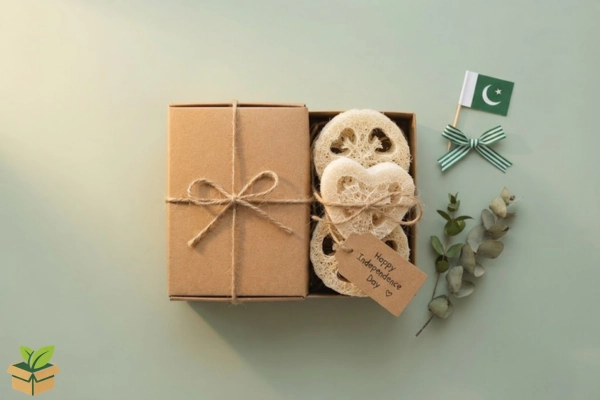
Think about it from a customer’s point of view. If a package feels flimsy, wasteful, or careless, it subconsciously suggests the product inside might be the same. But if the packaging feels thoughtful, clean, and environmentally conscious, it elevates the entire experience — even if the product itself hasn’t changed at all. This is the quiet power of sustainable packaging brand image: it reshapes expectations before a single word of marketing copy is even read.
This effect compounds when customers share their unboxing experience on social media, which happens more often with visually appealing, eco-conscious packaging than with generic plastic wrapping. Every share becomes free advertising rooted in trust rather than a paid promotion.
💚 Key Benefits of Eco-Friendly Packaging for Your Brand
The advantages of switching go well beyond good optics. Here’s a quick look at the tangible eco-friendly packaging benefits that directly support brand growth:
- Builds instant trust with eco-conscious consumers who actively choose greener brands
- Improves brand loyalty by aligning your business with values customers care about
- Reduces long-term costs through lighter, more efficient recyclable packaging materials
- Strengthens CSR positioning, making your brand more attractive to partners and investors
- Enhances shelf and social appeal, since sustainable design often looks more premium
Each of these benefits feeds into the others. A customer who trusts your brand is more likely to become loyal, and a loyal customer is more likely to recommend you — creating a compounding cycle that’s hard to achieve through paid advertising alone.
🔁 Sustainable Packaging Solutions That Build Brand Loyalty
Loyalty isn’t built through a single good experience — it’s built through consistency. This is where practical sustainable packaging solutions come into play, because they allow brands to repeatedly reinforce their values every time a customer receives an order.
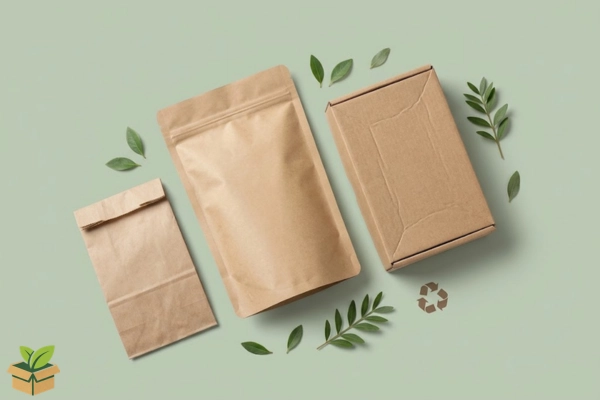
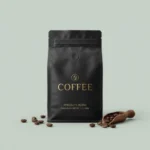
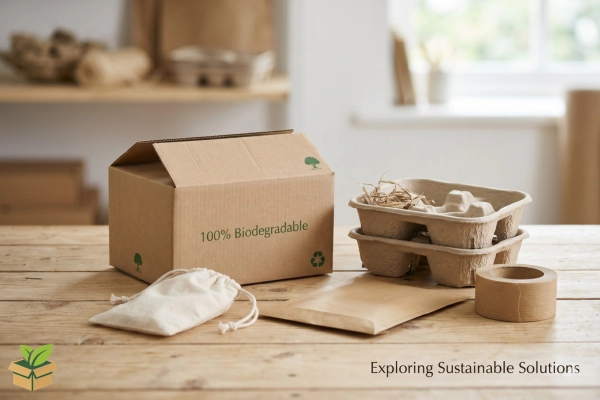
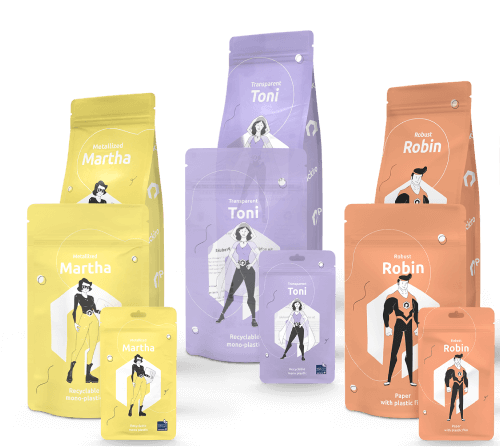
For example, brands using kraft stand-up pouches for food, cosmetics, or retail products give customers a tactile, visual reminder of sustainability with every purchase. Similarly, businesses shipping products in eco-friendly e-commerce boxes reduce plastic waste while maintaining product protection — a win for both the planet and the unboxing experience.
Loyalty also grows when customers feel like their choices matter. Sustainable packaging quietly tells them, “your purchase supports something better,” which is a far more emotionally resonant message than typical promotional discounts. Over time, this becomes a defining reason customers choose your brand over cheaper alternatives.
🌱 Biodegradable and Recyclable Materials: What’s the Real Difference?
One point of confusion many brand owners run into is understanding the actual difference between biodegradable, compostable, and recyclable packaging — because each plays a different role in reducing environmental impact.
| Material Type | How It Breaks Down | Best Use Case |
|---|---|---|
| Biodegradable materials | Naturally decomposes over time without chemical treatment | Food wraps, bags, disposable items |
| Compostable packaging | Breaks down into non-toxic organic matter under specific conditions | Food-grade pouches, coffee packaging |
| Recyclable packaging | Can be reprocessed into new materials | Boxes, kraft paper, cardboard packaging |
Understanding this distinction helps brands choose the right material for their specific product rather than defaulting to whatever seems “green enough.” For instance, a business shipping delicate items might explore the difference between kraft paper bags vs plastic bags to decide which environmental trade-off makes more sense for their operation.
🏆 Corporate Social Responsibility and Ethical Branding
Corporate social responsibility used to be treated as a separate marketing initiative — something mentioned once a year in an annual report. That’s no longer the case. Today, CSR is expected to be visible in everyday business decisions, and packaging is one of the most visible decisions a brand makes.
When a business commits to ethical business practices, including responsible sourcing and reduced plastic dependency, it sends a signal that sustainability isn’t just a marketing angle — it’s part of the company’s operational DNA. This is exactly the philosophy behind initiatives like our mission to help Pakistan go green, where sustainable packaging becomes part of a larger commitment rather than a one-off campaign.
Brands that embed this mindset consistently outperform competitors in trust-based metrics, particularly among younger consumers who research a company’s values before making a purchase decision.
🎯 A Practical Eco Packaging Marketing Strategy
Switching materials is only half the equation — the other half is communicating that change effectively. A strong eco packaging marketing strategy doesn’t need to be complicated, but it does need to be intentional.
Start by making the sustainability story visible, not hidden. If your packaging is recyclable or biodegradable, say so clearly on the packaging itself and across your product pages. Customers appreciate transparency far more than vague claims like “eco-conscious” without any real explanation behind them.
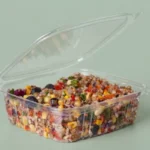
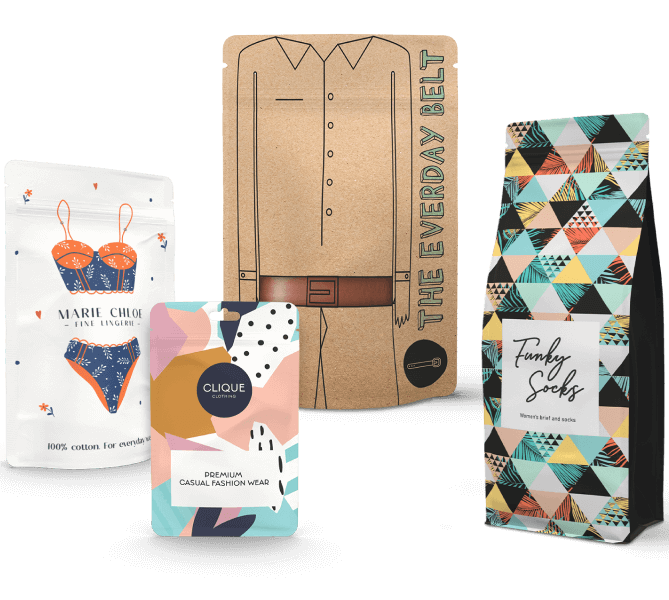
Next, consider how your packaging choice supports your brand storytelling. A skincare brand using minimal, kraft-based packaging communicates something very different than one using heavy plastic clamshells — even if the product inside is identical. Businesses exploring options like the kraft stand-up pouch collection often find that the packaging itself becomes part of their visual brand identity, not just a functional container.
Finally, use real customer moments to reinforce the message. Encouraging customers to share their unboxing experience — especially when the packaging is visually distinct — turns your sustainability efforts into organic, trust-building content.
🛍️ Real Examples: Brands Winning With Eco Packaging
It helps to see this in action rather than just in theory. Food brands using compostable pouches instead of standard plastic have reported noticeably higher repeat orders, largely because customers associate the packaging with freshness and care. Retail brands shipping products in recyclable boxes instead of bubble-wrap-heavy shipments often receive fewer complaints and more positive reviews mentioning the packaging itself.
Even smaller shifts matter. Businesses comparing options like stand-up pouches vs flat pouches frequently find that the more visually premium, resealable option not only reduces waste but also increases perceived product value — meaning customers are sometimes willing to pay slightly more simply because the packaging feels higher quality.
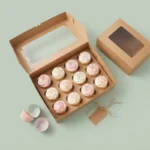
This pattern repeats across industries: bakery brands, cosmetics sellers, and e-commerce stores all report similar improvements once they move away from generic plastic-heavy packaging.
✅ How to Start Transitioning to Eco-Friendly Packaging
Making the switch doesn’t have to happen overnight, and it definitely doesn’t require overhauling your entire supply chain in one move. Most successful transitions happen gradually, starting with the packaging that customers interact with most directly.
A practical starting point is auditing your current packaging materials and identifying which ones have the most affordable, accessible eco alternatives — often shipping boxes or product pouches. From there, sourcing from a reliable supplier matters just as much as the material choice itself, which is why many businesses turn to Pakistan’s most trusted eco-friendly store to ensure consistent quality and availability.
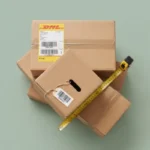
Once your primary packaging is updated, secondary materials like shipping cushioning can follow. Comparing options such as eco-friendly shipping materials helps ensure the entire delivery experience — not just the outer packaging — reflects your brand’s sustainability commitment.
🚀 Final Thoughts: Packaging Is Brand Strategy, Not Just Logistics
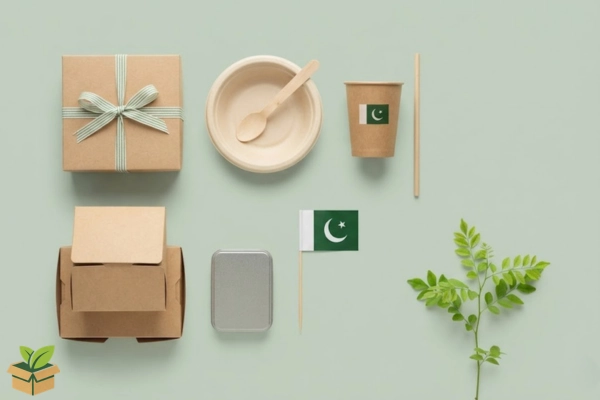
At its core, this entire conversation comes down to one simple truth: packaging is never just packaging. It’s a physical extension of your brand’s values, and customers are paying closer attention to it than most businesses realize. Choosing eco packaging isn’t only about environmental responsibility — though that matters deeply — it’s also one of the most efficient ways to build trust, strengthen loyalty, and differentiate your brand in a crowded market.
The businesses that treat packaging as a strategic asset rather than an afterthought are the ones building stronger, more resilient brand reputations. And the good news is that making this shift has never been more accessible, with affordable, ready-to-use options available for businesses of every size.
If you’re ready to strengthen your brand image the smart way, take a look through our full range of sustainable materials and browse our eco packaging collection to find the right fit for your products today.
❓ Frequently Asked Questions
Q1: How does eco packaging actually improve brand image? Eco packaging signals care, quality, and environmental responsibility from the very first customer touchpoint. This builds trust before the product itself is even evaluated, directly strengthening overall brand perception.
Q2: Is eco-friendly packaging more expensive than traditional packaging? Not always. Many recyclable and kraft-based materials are cost-competitive with standard plastic packaging, especially when purchased through reliable suppliers offering bulk options.
Q3: What’s the best type of eco packaging for small businesses? Kraft stand-up pouches and recyclable boxes are excellent starting points because they’re affordable, versatile, and visually appealing across food, cosmetic, and retail products.
Q4: Does eco packaging really increase customer loyalty? Yes. Customers who align with a brand’s environmental values tend to return more often and recommend the brand to others, creating a compounding loyalty effect over time.
Q5: How can I market my eco packaging effectively? Be transparent about the materials used, highlight sustainability clearly on packaging and product pages, and encourage customers to share their unboxing experience to build organic trust.













(0) Comments