

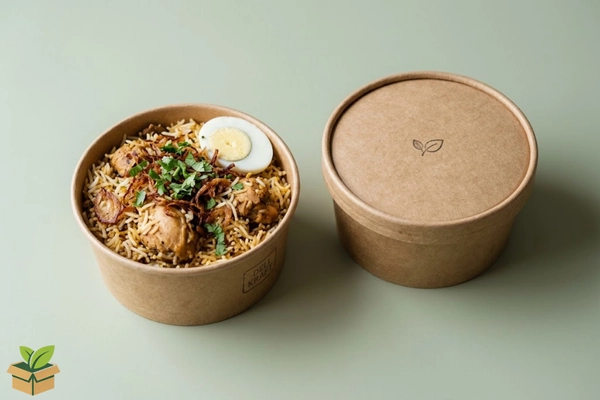
How to Use Kraft Bowls for Biryani Packaging: A Practical Guide for Restaurants
If you run a restaurant, cloud kitchen, or catering business in Pakistan, you already know that biryani is one of the trickiest dishes to package. It’s hot, it’s oily, it’s fragrant, and customers expect it to arrive looking exactly as good as it tasted when it left your kitchen. That’s exactly why so many food businesses are switching to kraft bowls for biryani packaging — a solution that keeps rice dishes fresh, contained, and presentable from the moment they’re packed to the moment they’re opened. In this guide, we’ll walk through everything you need to know about how to use kraft bowls for biryani packaging, from choosing the right size to sealing techniques that prevent spills during delivery.
Whether you’re packing dum biryani for dine-in takeaway or bulk orders for a wedding, the right container makes a real difference to customer satisfaction — and to your brand’s reputation.
🍽️ What Are Kraft Bowls and Why They Suit Biryani So Well
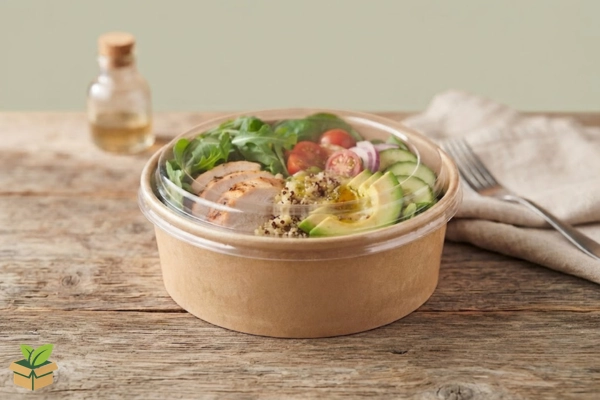
Kraft bowls are made from food-grade kraft paper that’s been treated to resist grease and moisture, making them naturally suited to oily, aromatic dishes like biryani. Unlike thin plastic containers that can warp or leak under the weight of hot rice and gravy, kraft paper bowls hold their shape while still allowing a small amount of breathability — which actually helps prevent that soggy, steamed-rice texture that ruins biryani during transit.
What makes these biryani packaging bowls particularly practical is their versatility. They work equally well for chicken biryani, mutton biryani, vegetable pulao, and even biryani-style rice bowls served at events. Because the paper is sturdy yet lightweight, staff can stack multiple orders without worrying about crushing the food inside, which is a real advantage during busy lunch and dinner rushes.
There’s also a hygiene angle worth mentioning. Kraft paper bowls are typically single-use, which means there’s no cross-contamination risk between orders — something increasingly important for restaurants trying to meet food safety expectations. If you want to explore the full range, our kraft bowls collection covers multiple sizes and lid options suited to different biryani portion sizes.
📏 Choosing the Right Kraft Bowl Size for Your Biryani Portions
One of the most common mistakes restaurants make is using a single bowl size for every order. Biryani portions vary a lot — a single-serve lunch order looks very different from a family-pack dinner order — and using the wrong size either wastes packaging material or leaves customers with a half-empty box that looks unprofessional.
Here’s a quick size reference that most Pakistani restaurants find useful when packaging rice dishes:
| Bowl Size | Best Suited For |
|---|---|
| 250ml – 350ml | Single-serve small portions, side rice, sample-size orders |
| 480ml – 500ml | Standard single-person biryani plate |
| 750ml | Generous single portion or light double serving |
| 1000ml – 1300ml | Family-pack or sharing-size biryani orders |
For a more detailed breakdown of when to use each capacity, our round kraft bowl sizes guide explains portion planning in more depth, which is especially useful if you’re standardizing packaging across a menu with multiple biryani variants.
It’s worth testing a couple of sizes with your actual biryani recipe before committing to bulk ordering. Rice expands slightly after cooking, and gravy-heavy biryanis need a little extra headroom compared to drier preparations, so what looks like enough space on paper might feel tight once the bowl is actually filled and sealed.
🔒 Step-by-Step: How to Use Kraft Bowls for Biryani Packaging
Once you’ve picked the right size, the actual packing process matters just as much. A few small habits can be the difference between biryani that arrives perfectly intact and biryani that arrives with sauce leaking through the box.
Here’s a simple sequence most kitchens follow:
- Let the biryani cool slightly before packing — piping hot rice traps excess steam inside a sealed bowl, which can make the top layer soggy.
- Layer rice and meat pieces evenly rather than dumping everything in at once, so the bowl doesn’t bulge unevenly or crack at the rim.
- Leave a small gap near the top edge instead of overfilling, which helps the lid seal properly without pressure pushing against it.
- Press the lid down firmly on all sides, checking that it clicks or sits flush against the rim.
- Place bowls upright in delivery bags, ideally in a compartment that prevents tipping during transport.
This process feels simple once it becomes routine, but it’s genuinely one of the biggest factors behind fewer customer complaints about leaked packaging or messy delivery bags. If you’re scaling up order volume, it’s also worth training delivery riders on how to stack these bowls safely, since improper stacking is a common cause of spills that has nothing to do with the packaging itself.
For bowls with attached or snap-fit lids, our 750ml kraft bowl with lid and 1000ml kraft bowl with lid are commonly used for exactly this kind of sealed, leak-resistant delivery packaging.
🌿 Why Eco-Friendly Biryani Packaging Matters for Your Brand
Beyond the practical side, there’s a growing customer expectation around sustainability that restaurants can’t afford to ignore anymore. More diners — especially in urban areas — are actively noticing whether a restaurant uses biodegradable biryani bowls or sticks to traditional plastic containers, and that perception genuinely influences repeat orders and online reviews.
Switching to eco-friendly biryani packaging isn’t just a marketing angle either. Kraft paper bowls decompose far faster than plastic alternatives, they don’t carry the same chemical leaching concerns when in contact with hot, oily food, and they’re generally easier to dispose of responsibly. For restaurants trying to build a sustainable brand identity, this shift often becomes a talking point customers mention in reviews without even being asked.
If you’re still weighing whether the switch is worth it, our detailed comparison on kraft bowl vs plastic bowl breaks down cost, durability, and customer perception side by side. And for a broader look at how the eco packaging shift is playing out across Pakistan’s food industry, the guide on biodegradable food packaging in Pakistan is a helpful next read.
🚚 Keeping Biryani Hot, Fresh and Leak-Proof During Delivery
Delivery is where packaging decisions really get tested. A bowl that looks fine sitting on a kitchen counter can behave very differently after twenty minutes on a motorbike navigating traffic. This is where the grease-resistant and leak-proof qualities of food-grade kraft paper genuinely earn their reputation.
Because kraft bowls are naturally rigid along the sides, they resist the kind of bending and warping that causes thinner containers to pop open mid-delivery. The paper also handles heat retention reasonably well for short-to-medium delivery windows, which matters a lot for biryani specifically since customers judge the entire experience partly on whether the food is still warm on arrival.
That said, no container fully replaces good packing habits. Pairing your kraft bowl with a properly fitted lid, avoiding overfilling, and using a secondary delivery bag with some insulation all contribute to the final result. Our article on how kraft bowls keep food fresh during delivery goes deeper into the science behind why this material performs well under real delivery conditions, not just in theory.
It’s also worth mentioning that if your biryani orders typically come with a side of raita or chutney, pairing your kraft bowl with a proper dip sauce container keeps everything organized and prevents sauce from spilling into the rice itself during transit — a small detail that customers notice more than restaurants expect.
💡 Practical Tips & Common Mistakes to Avoid
Even experienced kitchens run into a few recurring issues when they first switch to kraft bowls for biryani packaging. Most of these are easy to fix once identified.
A frequent mistake is buying bowls in bulk without testing them against the specific biryani recipe first — a drier pulao behaves very differently inside a sealed bowl compared to a gravy-rich biryani. Another common issue is stacking freshly packed, still-warm bowls immediately, which traps condensation and softens the rice on top. Giving orders even a couple of minutes to release steam before sealing the lid tightly solves this in most cases.
Some restaurants also underestimate how much branding value these bowls can carry. A plain kraft bowl works perfectly well functionally, but a lightly customized one — even just a stamped logo — reinforces brand recall every time a customer opens their delivery. If custom printing is something you’re considering for your packaging line, the approach used in our guide to custom printed burger boxes applies just as well to kraft bowls and other rice packaging.
Finally, ordering in bulk tends to be significantly more cost-effective than restocking small batches repeatedly, especially for restaurants running consistent daily biryani orders. If cost is a concern when transitioning away from plastic, the practical breakdown in how to switch to eco food packaging and save money is worth reading before making the switch.
📦 Kraft Bowls vs Other Common Biryani Packaging Options
It helps to see how kraft bowls stack up against the other packaging types restaurants typically consider for rice dishes.
| Packaging Type | Grease Resistance | Eco-Friendliness | Best For |
|---|---|---|---|
| Kraft Bowls with Lids | High | High (biodegradable) | Deliveries, dine-in takeaway, bulk orders |
| Plastic Deli Containers | Moderate | Low | Short-distance, low-cost orders |
| Aluminium Foil Containers | High | Moderate | Catering, large-batch heating |
| Standard Cardboard Boxes | Low | Moderate | Dry rice dishes, low-gravy portions |
As the table shows, kraft bowls tend to strike the best overall balance for biryani specifically, mainly because they handle both grease and moisture well without compromising on sustainability. For restaurants exploring their broader packaging strategy beyond just biryani, our eco food packaging category and the complete guide to food packaging in Pakistan are useful next steps for building a consistent, sustainable packaging lineup across your entire menu.
❓ Frequently Asked Questions
Q1: Are kraft bowls safe for hot biryani straight out of the pot? Yes. Food-grade kraft paper used in these bowls is designed to withstand hot, oily food without breaking down or leaching chemicals, making it safe for freshly cooked biryani.
Q2: Do kraft bowls leak with gravy-heavy biryani? When paired with a properly fitted lid and not overfilled, kraft bowls resist leaking well. The grease-resistant coating specifically helps contain oily gravies during transport.
Q3: What size kraft bowl is best for a single biryani order? Most restaurants use the 480ml to 750ml range for standard single-person biryani portions, adjusting based on whether the order includes extra rice or sides.
Q4: Are kraft bowls more expensive than plastic containers? Pricing is often comparable, especially when ordered in bulk, and the long-term brand and sustainability benefits usually offset any minor cost difference.
Q5: Can kraft bowls be microwaved by customers at home? Most food-grade kraft bowls can handle brief microwave reheating, though it’s best to check the specific product’s heat rating before advising customers to do so.
🎯 Final Thoughts
Switching to kraft bowls for biryani packaging isn’t just a small operational tweak — it directly affects how fresh your food looks on arrival, how customers perceive your brand’s values, and how few complaints your delivery team fields about leaks and spills. The formula is straightforward: pick the right size for your portions, pack with a little care around cooling and filling, and pair the bowl with a secure lid for anything traveling by delivery.
Restaurants that make this switch tend to notice the difference within the first few weeks — fewer messy deliveries, better customer feedback, and a packaging choice that quietly reinforces an eco-conscious brand image without needing to say a word about it.
If you’re ready to upgrade your biryani packaging, explore our full kraft bowls range and find the size and lid style that fits your kitchen’s exact needs.






















(0) Comments