
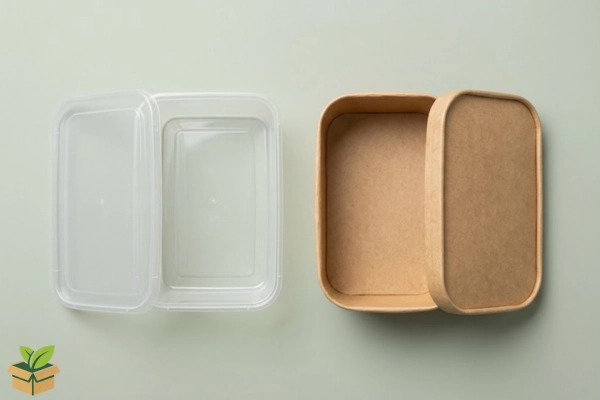
Plastic Container vs Paper Container: Which One Truly Wins
If you run a restaurant, cloud kitchen, bakery, or retail business in Pakistan, you’ve probably stood in front of a packaging supplier at some point, staring at samples, wondering: plastic container vs paper container — which one should I actually choose? It’s not a small decision. Your packaging affects your costs, your customer’s first impression, food safety, and increasingly, how your brand is perceived on sustainability. Some businesses switch to paper thinking it’s automatically “greener,” while others stick with plastic because it feels more reliable — but both choices come with trade-offs most people never actually compare side by side.
This guide breaks down everything you need to know: durability, cost, environmental impact, food safety, and real-world use cases — so you can make a decision based on facts, not guesswork.
What Are Plastic Containers?
Plastic containers are packaging solutions made from polymers like PET, PP, or HDPE. They’re widely used across the food and retail industry because they’re lightweight, moisture-resistant, and easy to mass-produce at a low cost.
Common Types of Plastic Containers
- Disposable food-grade plastic containers (for takeaway meals)
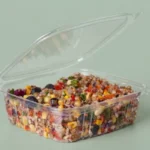
- Hinged deli boxes for salads, desserts, and bakery items
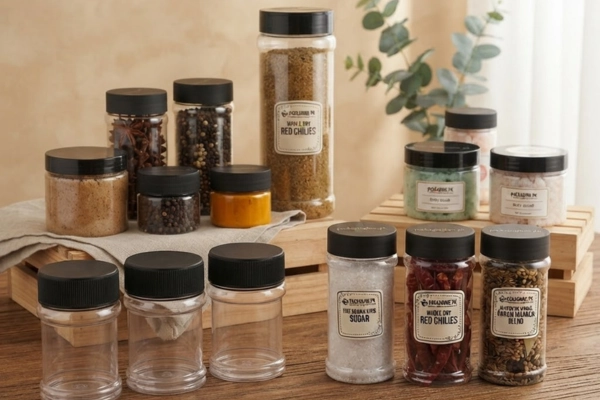
- Clear plastic jars and buckets for storage
- Plastic cups and cold drink containers
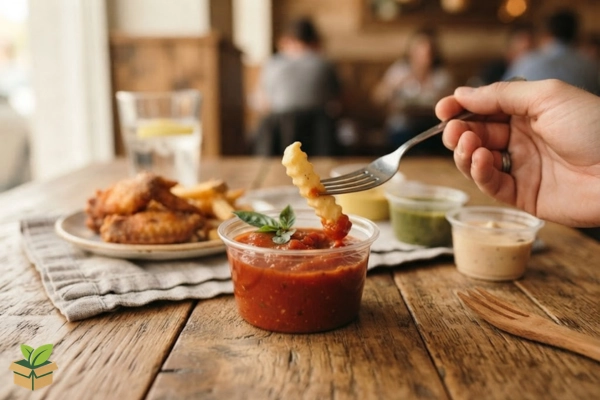
- Sauce and dip containers
If you want to explore ready-to-use options, our plastic products range covers most of these formats, including practical deli containers that restaurants use daily for salads and cold food items.
Where Plastic Containers Are Used
Plastic dominates industries where moisture resistance and visibility matter — think salad bowls, sauces, dairy products, and cold beverages. Its transparency also helps showcase food, which is why bakeries and dessert shops often prefer clear plastic packaging for cakes and pastries.
What Are Paper Containers?
Paper containers, often made from kraft paper or coated cardboard, have become the poster child of eco-conscious packaging. They’re biodegradable, recyclable, and increasingly preferred by brands trying to reduce their carbon footprint.
Common Types of Paper & Kraft Containers
- Kraft bowls with lids (used for rice, curry, and hot meals)
- Paper coffee cups with lids
- Kraft paper bags with handles
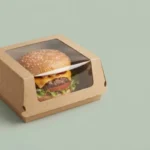
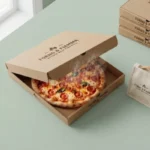
- Cardboard packaging for bakery and takeaway items
- Compostable paper-based food trays
Our kraft bowls collection is a great example of how paper container options have evolved — they now come in multiple sizes, from small snack portions to large family servings, all while staying leak-resistant for hot food.
Where Paper Containers Are Used
Paper containers shine in categories where branding, sustainability messaging, and heat resistance matter — coffee cups, bakery boxes, and takeaway meal bowls are classic examples. Many premium cafés and restaurants now use kraft packaging specifically because it visually signals “eco-friendly” to customers.
Plastic Container vs Paper Container: Head-to-Head Comparison
Here’s a side-by-side breakdown to make the paper container vs plastic container comparison easier to digest:
| Factor | Plastic Container | Paper Container |
|---|---|---|
| Cost | Generally cheaper per unit | Slightly higher production cost |
| Durability | Strong, tear-resistant | Can weaken with excess moisture |
| Moisture resistance | Excellent | Needs coating/lining for liquids |
| Biodegradability | Takes decades to break down | Decomposes in weeks to months |
| Recyclability | Recyclable but low actual recycling rate | Easily recyclable and compostable |
| Visual appeal | Transparent, great for display | Rustic, premium, brand-friendly look |
| Heat tolerance | Can warp with hot food/liquids | Naturally more heat-tolerant |
| Environmental perception | Seen as less eco-friendly | Seen as sustainable and responsible |
This table alone shows why the debate isn’t black-and-white — each material genuinely wins in different categories.
Plastic Container Pros and Cons
Advantages
- Lower cost per unit, especially useful for high-volume businesses
- Excellent moisture and grease resistance — ideal for sauces, curries, and oily food
- Transparency allows customers to see the product before buying
- Durable and tear-resistant, even under pressure during delivery
- Available in food-grade plastic containers that are safe for direct food contact
Disadvantages
- Contributes heavily to plastic pollution if not disposed of properly
- Long decomposition period — some plastics take 400+ years to break down
- Increasing regulatory pressure due to the single-use plastic ban trends in many regions
- Perceived negatively by environmentally conscious customers
- Higher carbon footprint of packaging during production compared to some paper alternatives
Paper Container Pros and Cons
Advantages
- Biodegradable and often compostable, reducing long-term landfill waste
- Seen as more sustainable, which can improve brand image and customer trust
- Naturally better paper packaging durability in dry, non-liquid applications
- Easily customizable with branding, logos, and premium finishes
- Aligns with growing recyclable packaging materials movement in Pakistan
Disadvantages
- Slightly higher upfront cost compared to plastic
- Needs coating or lining for liquid-heavy foods, which can affect recyclability
- Less durable if exposed to excessive moisture without proper treatment
- Limited transparency — harder to visually display product freshness
Plastic vs Paper Packaging: Environmental Impact
This is where the conversation gets serious. Plastic pollution remains one of the biggest environmental concerns globally, with millions of tons of plastic waste ending up in oceans and landfills every year. Since most plastic packaging is single-use, its environmental cost is significant — even if it’s technically recyclable, actual recycling rates remain low in many regions, including Pakistan.
Paper, on the other hand, breaks down naturally and requires far less time to decompose. However, it’s worth noting that paper production also has an environmental footprint — deforestation and water usage during manufacturing are real concerns. The key is sourcing from sustainable materials and responsibly managed forests.
If you’re trying to understand this shift at a broader level, our guide on what eco-friendly packaging really means explains how businesses in Pakistan are adapting to these environmental pressures without compromising on functionality.
We’ve also covered this exact debate in a related format — check out our detailed breakdown of paper coffee cup vs plastic cup if you’re specifically running a café or coffee shop.
Cost Comparison: Which Is More Budget-Friendly?
For most businesses, cost is the deciding factor — and here’s the honest truth: plastic containers are usually cheaper to produce and purchase in bulk. This is largely due to established manufacturing processes and raw material availability.
That said, paper containers are becoming more cost-effective packaging solutions as demand grows and production scales up. Many businesses find that the slightly higher cost of paper is offset by:
- Reduced customer complaints related to environmental concerns
- Better brand positioning in a market that increasingly values sustainability
- Lower disposal or compliance costs in regions tightening plastic regulations
If your business handles high order volumes with tight margins, plastic may still make more financial sense short-term. But if you’re building a premium or eco-conscious brand, paper often pays off in customer loyalty.
Food Safety & Durability: Plastic vs Paper
When it comes to food storage containers, safety is non-negotiable. Food-grade plastic containers are tested for chemical stability and are widely trusted for storing everything from raw meat to hot curries. They resist punctures and hold their shape well during transport.
Paper containers, especially kraft paper containers, have improved significantly with grease-resistant coatings and moisture barriers. They’re now commonly used for hot food, coffee, and even oily snacks like fries — though they still can’t fully match plastic’s resistance to prolonged liquid exposure.
For businesses dealing with liquid-heavy products, our kraft bowl vs plastic bowl comparison dives deeper into which format holds up better for soups, curries, and rice dishes specifically.
Which Is Better for Your Business?
The honest answer is: it depends on what you’re packaging and who you’re packaging it for.
- Restaurants serving liquid-heavy meals (curries, soups, sauces) → Plastic containers or lined kraft bowls work best
- Bakeries and cafés → Paper and kraft packaging enhances brand perception and works well for dry/semi-dry items
- E-commerce and retail → Plastic jars and buckets offer better protection during shipping
- Eco-conscious brands → Paper and biodegradable container options align better with brand values
- High-volume, budget-focused operations → Plastic remains the more economical choice
If you’re unsure where your business fits, our detailed guide on switching to eco-friendly packaging walks through a practical, cost-conscious transition plan.
Sustainable Packaging Options Beyond Plastic and Paper
The good news is that the plastic-vs-paper debate isn’t the only conversation happening in packaging today. Several sustainable packaging options are gaining traction:
- Bio-based plastics made from plant materials, offering plastic-like durability with better decomposition
- Compostable packaging designed to break down completely under industrial composting conditions
- Reusable containers that reduce single-use waste altogether
- Hybrid solutions combining kraft exteriors with minimal plastic lining for the best of both worlds
For businesses exploring this route further, our biodegradable food packaging guide and sustainable food packaging overview both offer practical direction on where the industry is heading.
Final Verdict: Plastic Container vs Paper Container
There’s no universal winner in the plastic vs paper packaging debate — the right choice depends on your product type, budget, and brand positioning. Plastic remains unbeatable for cost and moisture resistance, while paper wins on sustainability and brand perception.
The smartest businesses today aren’t choosing one over the other entirely — they’re using the right material for the right product, mixing plastic where function demands it and paper where sustainability and branding matter most.
Conclusion
Choosing between a plastic container and a paper container isn’t about picking a trend — it’s about understanding your product, your customer, and your long-term brand goals. Plastic offers reliability and cost savings, while paper offers a sustainability edge that’s becoming harder to ignore in today’s market.
Whatever direction fits your business best, having access to quality, food-grade packaging options makes all the difference in customer experience and brand trust.
Ready to upgrade your packaging? Explore our full range of plastic and paper container options and find the perfect fit for your business today.
Frequently Asked Questions
Is paper packaging better than plastic? Paper packaging is generally better for the environment since it decomposes faster and is easier to recycle. However, plastic often outperforms paper in moisture resistance and cost-efficiency, making the “better” choice dependent on your specific use case.
Why are plastic containers harmful to the environment? Plastic containers are harmful primarily because they take hundreds of years to decompose and often end up in landfills or oceans, contributing to long-term plastic pollution and ecosystem damage.
What are the benefits of paper containers over plastic? Paper containers are biodegradable, compostable, and generally perceived as more sustainable. They also allow for better branding opportunities through custom printing and premium finishes.
How do I choose eco-friendly packaging for my business? Start by identifying what you’re packaging — dry, wet, hot, or cold items — then choose materials like kraft paper, compostable containers, or bio-based plastics that match your product’s needs while minimizing environmental impact.
What is the difference between plastic and paper containers? Plastic containers are made from petroleum-based polymers offering durability and moisture resistance, while paper containers are made from wood pulp, offering biodegradability but requiring coatings for liquid resistance.
Which packaging material is more sustainable? Paper is generally considered more sustainable due to faster decomposition and higher recyclability rates, though sourcing practices and production methods also play a significant role in overall sustainability.
Are paper containers more expensive than plastic? Yes, paper containers typically cost slightly more to produce than plastic due to material and manufacturing processes, though prices are becoming more competitive as demand increases.
Is plastic packaging still used despite environmental concerns? Yes, plastic packaging remains widely used because of its low cost, durability, and moisture resistance, though many businesses are gradually shifting toward hybrid or fully sustainable alternatives.
What is the best alternative to plastic containers? Kraft paper containers, compostable packaging, and bio-based plastics are among the best alternatives currently available, offering a balance between functionality and environmental responsibility.
How long does plastic take to decompose compared to paper? Plastic can take anywhere from 20 to over 400 years to decompose depending on the type, while paper typically decomposes within a few weeks to a few months under normal conditions.















(0) Comments