

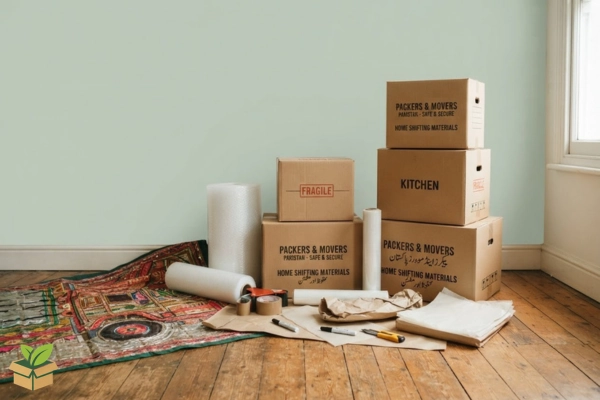
Packaging Materials for Home Shifting in Pakistan: The Complete Buying & Packing Guide
Moving house is exciting — a new neighborhood, a fresh start, maybe even a bigger kitchen. But let’s be honest, the excitement fades fast the moment you realize how much stuff you actually own. This is exactly where packaging materials for home shifting in Pakistan become the real heroes of your relocation story. Without the right boxes, tape, and cushioning, even the shortest move — say from Gulshan to Bahadurabad — can turn into a chaotic mess of broken plates and scratched furniture.
In this guide, we’ll walk you through everything you need to know: which materials to buy, how much they cost, where to find them, and how to pack like someone who’s done this a hundred times before (even if it’s your first). Whether you’re shifting within Karachi, Lahore, or Islamabad, this is your one-stop packing playbook.
🏠 Why the Right Packaging Materials Matter So Much
It’s tempting to think “a box is a box.” But anyone who’s had a stack of dinner plates arrive in pieces will tell you otherwise. Good home shifting packing materials in Pakistan do three critical jobs:
- Protect your belongings from bumps, drops, and pressure during transit
- Save you money by preventing damage that would otherwise mean replacement costs
- Speed up the entire move, since well-packed boxes are easier to stack, label, and unload
Think of packaging as insurance you buy once instead of regret you pay for later. A little investment in quality house shifting packaging boxes and cushioning material saves you far more in avoided breakages, especially for fragile or expensive items like crockery, electronics, and glass furniture.
📦 Essential Packing Material for House Shifting
Let’s break down the actual materials you’ll need. Think of this as your shifting shopping list — nothing fancy, just the essentials that make a real difference.
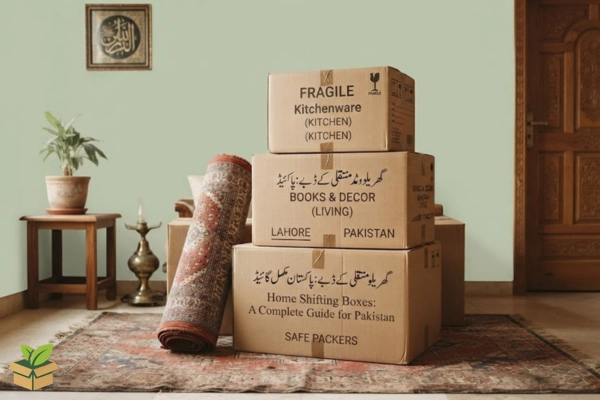
1. Cardboard & Corrugated Boxes
Boxes are the backbone of any move. For home shifting, you’ll typically need a mix of sizes:
- Small boxes for books, kitchen items, and heavy small objects
- Medium boxes for clothes, toys, and decor
- Large boxes for lightweight bulky items like cushions or bedding
Sturdy cardboard boxes for shifting in Pakistan — especially double-walled corrugated ones — hold up far better under weight and stacking pressure than flimsy single-layer boxes. If you’re shifting appliances, electronics, or larger household goods, browse the Home Shifting Boxes collection, which includes various sizes designed specifically for relocation needs. For particularly large or heavy shipments, the DHL shipping box range offers reinforced options that handle rough transport well.
2. Bubble Wrap for Furniture and Fragile Items
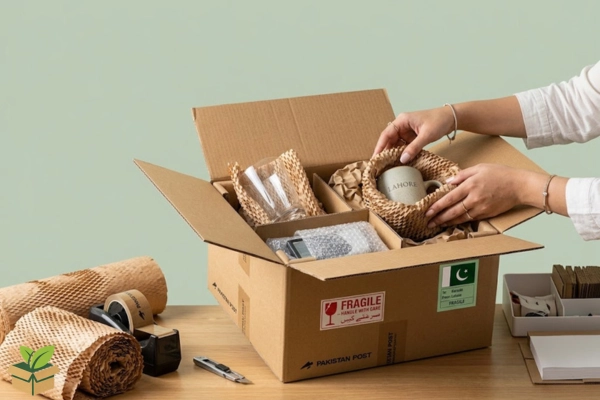
If there’s one material that consistently saves the day during a move, it’s bubble wrap. It cushions glassware, mirrors, picture frames, and delicate furniture edges against shocks during loading and transport. A quality bubble wrap roll goes a long way — wrap items individually, then place them snugly inside boxes so there’s minimal shifting during the ride.
3. Packing Tape for Sealing and Reinforcement
Never underestimate a strong roll of tape. Cheap tape peels off mid-transit, and that’s how boxes burst open on a truck bed. For durability, go with wider industrial-grade tape like the 3-inch packaging tape for heavier boxes, or the 2-inch packaging tape for lighter, everyday packing needs.
4. Stretch Film for Furniture Wrapping
Stretch or shrink wrap is often overlooked, but it’s brilliant for keeping drawers shut, protecting sofas and mattresses from dust, and holding multiple smaller items together as a single bundle. Both the 6-inch and 12-inch shrink wrapping rolls are excellent for wrapping furniture and securing loose parts.
5. Wooden Crates for Heavy or Valuable Items
For particularly heavy or high-value items — think antique furniture, artwork, or fragile electronics — wooden crates offer a level of rigidity that cardboard simply can’t match. They’re a smart investment when you’re shifting items that absolutely cannot afford to shift or crack in transit.
6. Packing Rope for Securing Loads
A sturdy packing rope is essential for tying down furniture on the moving truck, securing rolled-up carpets, or bundling long items like curtain rods and pipes together.
💎 Best Packing Material for Fragile Items
Fragile items deserve extra attention — this is where most moving disasters happen. Here’s a practical approach:
- Wrap each item individually in bubble wrap or foam sheets before boxing
- Use crumpled paper or foam sheets as filler to prevent movement inside the box
- Label boxes clearly with “Fragile” and “This Side Up” so handlers know to be careful
- Never overpack a box — heavier items should go in smaller, sturdier boxes, not oversized ones
- Double-box extremely delicate items like mirrors or glass tabletops for added protection
For crockery, glassware, and electronics, combining bubble wrap with foam sheets and a snug-fitting box creates layered protection that dramatically reduces the risk of breakage.
💰 How Much Does Packing Material Cost in Pakistan?
Budget is always a real concern during a move, and the good news is that packaging materials are relatively affordable compared to the value they protect. Here’s a rough cost breakdown based on typical market rates:
| Material | Approximate Price Range (PKR) |
|---|---|
| Small to medium cardboard boxes | 50 – 200 per piece |
| Large cardboard/moving boxes | 200 – 500 per piece |
| Bubble wrap roll | 800 – 1,500 per roll |
| Packing tape | 100 – 250 per roll |
| Stretch/shrink wrap roll | 500 – 1,200 per roll |
| Wooden crates | 1,500 – 5,000+ depending on size |
Actual moving boxes price in Pakistan can vary depending on city, box size, and whether you’re buying new or reused boxes. As a rule of thumb, budgeting a few thousand rupees for a complete packaging kit is far cheaper than replacing a broken TV or a shattered dining set.
🛒 Where to Buy Packing Material in Pakistan
You don’t need to run around town hunting for supplies. Here’s where to look:
- Online packaging suppliers — the most convenient option, with home delivery and bulk pricing, especially useful if you need multiple box sizes and wrapping materials in one order
- Local packing material shops near stationery markets or industrial areas in Karachi, Lahore, and Islamabad
- Packers and movers companies, many of which include packaging as part of their relocation service
- Grocery or retail stores for smaller free boxes (though these are rarely sturdy enough for heavy items)
If you want everything in one place — boxes, tape, wrap, and crates — it’s worth browsing a dedicated packaging materials category rather than piecing together supplies from multiple shops. This saves time and ensures consistent quality across all your materials. For businesses or larger households needing bulk quantities, checking the full product shop gives you access to the complete inventory in one visit.
✅ Step-by-Step Packing Checklist for Home Shifting
A little planning goes a long way. Here’s a simple moving checklist to keep your shift organized:
- Declutter first — donate or sell what you don’t need before packing anything
- Gather all materials in advance — boxes, tape, bubble wrap, markers, and labels
- Pack room by room, not randomly across the house
- Label every box with its contents and destination room
- Pack an “essentials box” with items you’ll need immediately after arrival
- Reinforce box bottoms with extra tape for heavier items
- Take photos of electronics setups before disassembling cables
- Book your moving truck at least a few days in advance
Following this order prevents last-minute panic and keeps your home relocation packing supplies organized instead of scattered across every room.
🍽️ Tips to Pack Kitchen Items for Moving
Kitchens are often the trickiest room to pack because of the sheer mix of fragile and heavy items. Keep these tips in mind:
- Wrap plates vertically, like records in a crate — this distributes pressure evenly and reduces breakage
- Use dish towels or bubble wrap between glasses and cups
- Pack heavier appliances at the bottom of sturdy boxes, never on top of fragile items
- Keep knives and sharp utensils wrapped separately and clearly labeled
- Use small boxes for heavy items like canned goods — large boxes get too heavy to lift safely
A well-packed kitchen box should feel snug, not loose — anything that can shift during transit is at risk of breaking.
🚚 DIY Packing vs Hiring Packers and Movers
Both approaches work, but they suit different situations.
DIY Packing makes sense when:
- You have time to spare before the move
- You want full control over how items are wrapped and organized
- You’re moving a smaller household with fewer fragile items
Hiring Packers and Movers makes sense when:
- You’re short on time or shifting a large household
- You have valuable or oversized furniture requiring professional handling
- You want packaging and transport bundled into one service
Many packers and movers in Pakistan now use the same commercial-grade cardboard boxes, bubble wrap, and stretch film available to individual buyers — so even if you hire professionals, understanding these materials helps you evaluate whether they’re using quality supplies or cutting corners.
🎯 Final Thoughts
Shifting homes will always come with a bit of chaos — that’s just the nature of moving your entire life from one address to another. But the difference between a stressful move and a smooth one usually comes down to preparation. Investing in the right packaging materials for home shifting in Pakistan — sturdy boxes, reliable tape, protective bubble wrap, and secure crates — turns an overwhelming task into a manageable checklist.
The goal isn’t just to move your belongings. It’s to move them safely, efficiently, and without the heart-stopping moment of hearing something break inside a box. With the right materials and a bit of planning, your next shift can genuinely be a smooth one.
🛍️ Ready to Pack Smart?
Don’t leave your move to chance with flimsy boxes and cheap tape. Browse the complete range of home shifting boxes and packaging materials and get everything you need — from cardboard boxes to bubble wrap and stretch film — delivered right to your door.
❓ Frequently Asked Questions
Q1: What packaging materials do I need for home shifting in Pakistan? You’ll typically need cardboard boxes in various sizes, bubble wrap, packing tape, stretch film, wooden crates for heavy items, and packing rope for securing loads on the moving truck.
Q2: How much does packing material cost in Pakistan? Costs vary by material and quantity, but a complete packaging kit — including boxes, tape, and bubble wrap — typically ranges from a few thousand rupees depending on household size.
Q3: Where can I buy packing material near me in Karachi, Lahore, or Islamabad? You can find packing materials through online packaging suppliers, local stationery or industrial markets, and packers and movers companies that offer packaging as part of their service.
Q4: What is the best packing material for fragile items? Bubble wrap combined with foam sheets offers the best protection for fragile items like glassware, crockery, and electronics. Wrap each item individually and use filler material inside boxes to prevent movement.
Q5: Should I pack myself or hire packers and movers? DIY packing works well for smaller households with more time available, while hiring packers and movers is better for large households, valuable furniture, or when you’re short on time.



















(0) Comments